

Members of Parliament in the United Kingdom stand on the brink of a substantial pay increase that could dramatically alter public perceptions and spark widespread debate. Proposed rises ranging between £10,000 and £20,000 would push their annual salaries well above £75,000, a figure that starkly contrasts with the £26,500 average national salary. This potential adjustment, driven by the Independent Parliamentary Standards Authority (Ipsa), marks one of the most significant salary reviews in recent years and raises critical questions about fairness, public sector remuneration, and political accountability.
The Proposed Pay Rise: Details and Context
The Independent Parliamentary Standards Authority, the body responsible for overseeing MPs’ salaries and pensions, is currently contemplating a pay increase that could make MPs among the highest-paid public servants in the country. Ipsa’s review suggests a pay boost between £10,000 and £20,000, with the lower figure considered more probable. Even a £10,000 uplift would raise MPs’ base salary to over £70,000, while the upper estimate would see their pay exceed £80,000 annually.
This proposal comes amid a challenging economic climate where the average taxpayer’s salary has risen by a mere 0.6% this year. Inflation and the escalating cost of living continue to place significant financial pressure on ordinary citizens, many of whom are struggling to make ends meet. Against this backdrop, the prospect of MPs receiving a pay rise several times the national average salary appears especially provocative.
However, Ipsa has indicated that any pay increase would be partially balanced by reductions in MPs’ generous pension schemes and tighter controls on their personal expenses. This approach aims to modernize parliamentary remuneration by aligning salaries more closely with contemporary standards of public accountability and fiscal responsibility.
__IMAGE_PLACEHOLDER_1__
Why the Pay Rise Is Controversial
The proposal has already ignited fierce criticism across the political spectrum and on social media platforms. Many voters view the potential salary increase as profoundly out of touch with the economic realities faced by the British public. For instance, Labour councillor Ian Beckett of Harlow expressed disbelief on Twitter, questioning the rationale behind such a move and highlighting the disconnect between Westminster and everyday citizens.
Public sector employees, including nurses, teachers, and civil servants, have endured years of pay restraint and austerity measures, making the proposed parliamentary pay hike seem particularly unjust. This disparity threatens to deepen public resentment toward politicians and exacerbate feelings of inequality. The timing is especially sensitive, with the UK economy still grappling with slow growth and financial uncertainty.
Moreover, Ipsa’s own research sheds light on MPs’ expectations regarding their compensation. A survey conducted earlier in the year found that politicians on average believe they should earn £86,000, with some advocating for salaries exceeding £100,000. This self-assessment starkly contrasts with the current remuneration of around £66,000 and illustrates a widening gap between public sentiment and political ambition.
__IMAGE_PLACEHOLDER_2__
Institutional and Political Implications
The origins of Ipsa’s authority over MPs’ pay trace back to a scandal involving expenses abuse that shook public confidence in Parliament. Established two years ago to restore trust and introduce transparency, Ipsa now faces a delicate balancing act: ensuring fair compensation for MPs while maintaining public support and political legitimacy.
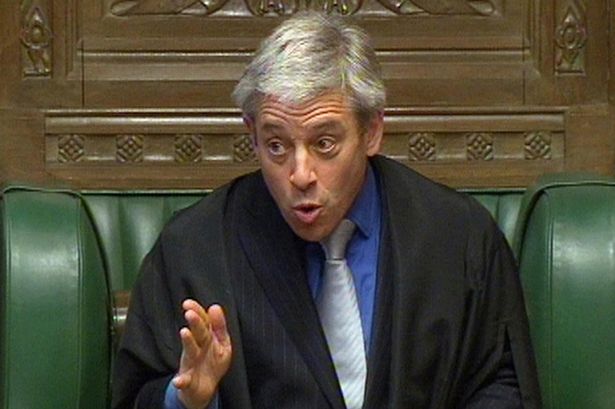
Speaker John Bercow has been one of the prominent voices advocating for improved remuneration. He argues that competitive pay is essential to attract a more diverse range of candidates into the Commons, ensuring that Parliament reflects the society it serves. Without adequate compensation, Bercow warns, political roles may become inaccessible to those from less affluent backgrounds, ultimately narrowing representation and democracy.
At the same time, government officials express concern about how party leaders, including Prime Minister David Cameron, will respond to these proposals. With general elections looming, endorsing a significant salary increase for MPs risks alienating voters and fueling narratives of political privilege and detachment.
In a recent move reflecting this sensitivity, ministers voluntarily reduced the government portion of their salaries to avoid benefiting from a modest 1% pay increase awarded to MPs. This gesture underscores the political complexity surrounding remuneration and the need for careful calibration of any future pay rises.
__IMAGE_PLACEHOLDER_3__
What This Means Going Forward
The Independent Parliamentary Standards Authority is expected to publish its initial proposals for consultation in the near future, with any changes unlikely to take effect until after the next general election. This timeline allows for public and parliamentary scrutiny but also means the debate over MPs’ pay will continue to attract attention and controversy.
Ultimately, the question of how to fairly compensate elected representatives touches on broader themes of governance, accountability, and social equity. While ensuring MPs receive adequate pay is crucial for attracting talent and maintaining a functioning democracy, any increase must be weighed against public expectations and economic realities.
This impending decision presents a pivotal moment for UK politics. It challenges policymakers to balance the necessity of fair remuneration with the imperative to remain connected to the electorate’s financial struggles. How this issue unfolds could influence public trust in Parliament for years to come.