As wildfire threats escalate across the United Kingdom, Members of Parliament are sounding the alarm, demanding urgent government action to prevent devastating fires. They have highlighted the pressing need for specialized firefighting aircraft and strict bans on disposable barbecues to address the growing wildfire risk.
Rising Wildfire Risks in the UK
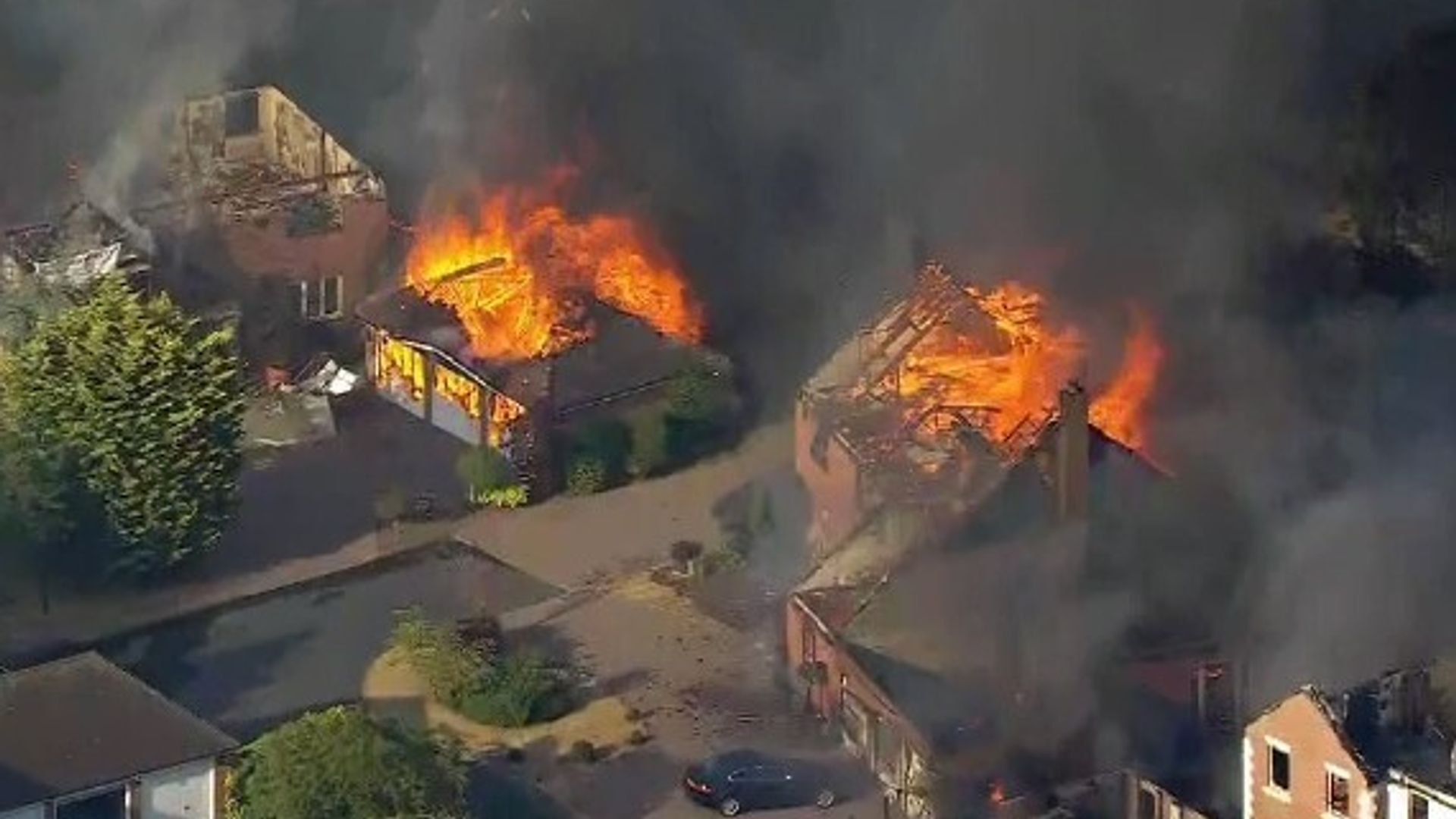
Wildfires, once considered a rare occurrence in the UK, have surged dramatically in recent years due to a combination of climate change, prolonged dry spells, and increased human activity in vulnerable areas. These fires not only destroy vast stretches of countryside but also threaten homes, wildlife, and public health. The frequency and intensity of wildfires are straining existing emergency services, signaling a critical gap in the nation’s preparedness.
MPs emphasize that the UK’s current firefighting resources are inadequate to meet this evolving challenge. Traditional land-based firefighting methods, while essential, cannot always contain or prevent the rapid spread of wildfires, particularly in remote or hard-to-reach locations. This has prompted calls for investment in aerial firefighting capabilities, such as dedicated firefighting planes, which can quickly suppress large fires before they escalate out of control.
The Case for Firefighting Planes
Unlike countries prone to wildfires, such as the United States, Australia, and parts of southern Europe, the UK lacks a sufficient fleet of firefighting aircraft. MPs argue that acquiring specialized planes equipped to drop water or fire retardants would significantly enhance the country’s ability to respond swiftly and effectively to wildfire outbreaks.
These aircraft can access areas inaccessible to ground crews, delivering rapid intervention that reduces fire spread and damage. The deployment of firefighting planes also extends the operational window during wildfire seasons, enabling authorities to tackle fires during peak heat and wind conditions when ground efforts alone may falter.
Investing in aerial firefighting technology aligns with broader climate resilience strategies, ensuring that the UK’s emergency response keeps pace with the increasing threats posed by hotter, drier summers and more unpredictable weather patterns.
Disposable Barbecue Bans: A Preventive Measure
In addition to enhancing firefighting capabilities, MPs advocate for preventive policies targeting human behaviors that frequently trigger wildfires. One such measure is the prohibition of disposable barbecues in high-risk areas, particularly during dry spells.
Disposable barbecues are a common cause of accidental fires, often left unattended or improperly extinguished, igniting surrounding vegetation. The convenience of these single-use devices masks their potential hazard, especially when used in vulnerable environments like heathlands, forests, and parks.
Banning disposable barbecues in wildfire-prone zones would reduce ignition sources, complementing other safety campaigns aimed at educating the public about wildfire risks. This proactive approach recognizes that prevention is the most effective defense against wildfires, reducing demand on firefighting resources and minimizing environmental harm.
Why This Matters
The UK’s landscape and communities face a mounting threat from wildfires that can cause extensive ecological damage, economic loss, and endanger lives. Without swift and coordinated action, the nation risks facing increasingly severe wildfire seasons.
MPs’ call for new firefighting planes and disposable barbecue bans underscores the urgent need for a comprehensive wildfire strategy. Such a strategy must blend rapid response capabilities with robust prevention measures to safeguard natural habitats and public safety.
As climate change continues to reshape weather patterns, the UK must adapt its emergency infrastructure and public policies accordingly. Investing in aerial firefighting assets and enacting targeted bans can fortify the country’s resilience against wildfire hazards now and in the future.
Looking ahead, the government’s response to these recommendations will be pivotal in shaping the UK’s ability to combat wildfires effectively and protect its environment and citizens.