

Parliamentary scrutiny has landed heavily on South East Water (SEW), as MPs declare a profound lack of confidence in the company’s leadership following a cascade of operational failures. The Environment, Food and Rural Affairs (EFRA) Committee has issued a scathing report condemning SEW’s management, calling for wholesale change at the top levels to address deep-rooted problems.
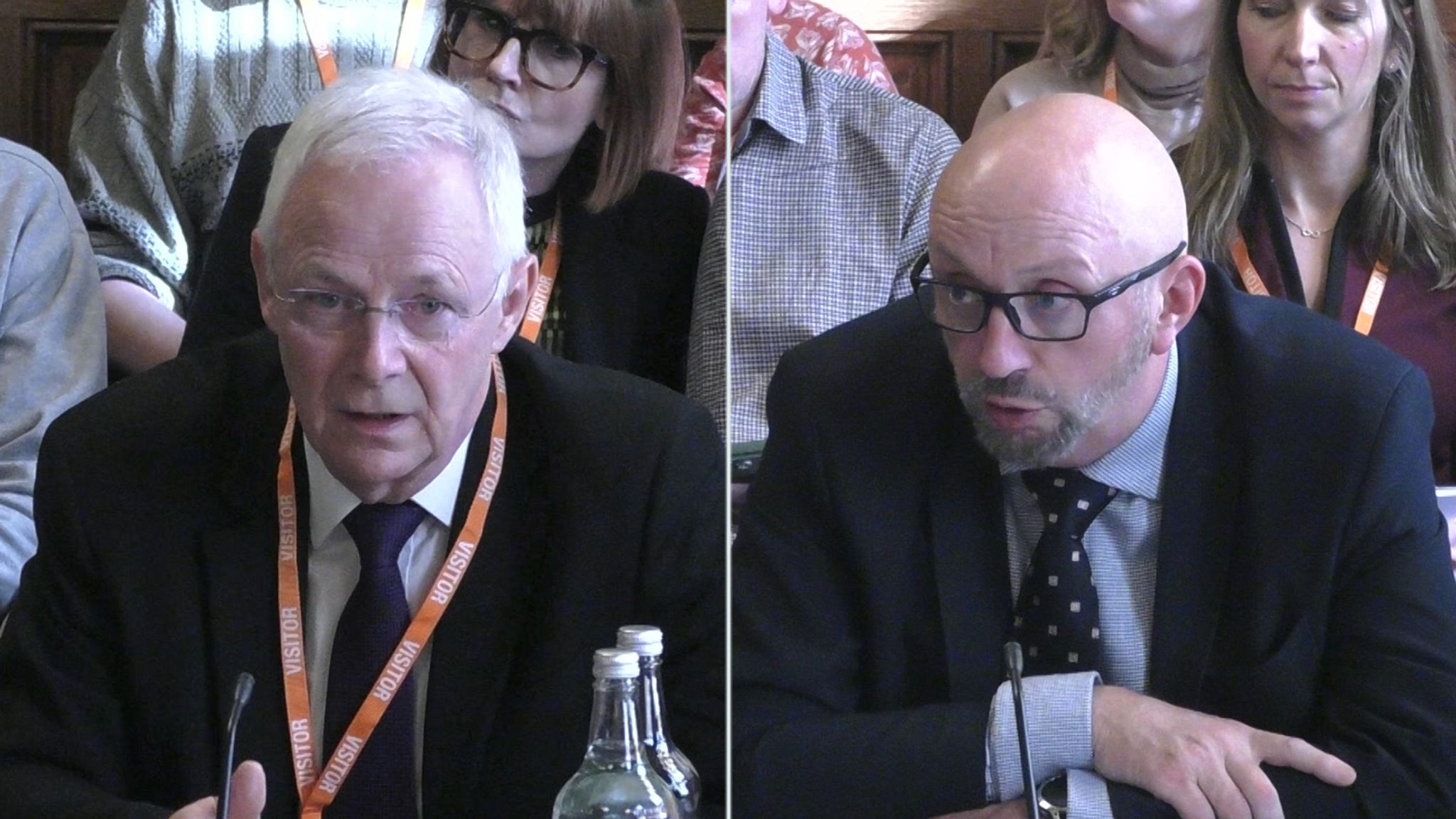
What Happened: A Water Crisis and Leadership Breakdown
The catalyst for this intense criticism was a severe water outage in late 2025 that left tens of thousands of residents in Tunbridge Wells without access to drinking water for two weeks. This disruption exposed systemic failures within SEW’s operations, particularly at its Pembury Treatment Works, where critical routine maintenance and water quality testing were neglected.
The EFRA Committee report highlights that SEW ignored repeated warnings from the Drinking Water Inspectorate (DWI) to conduct essential water jar tests, which monitor water quality. By failing to carry out these tests, SEW was effectively “flying blind” during the outage, unable to properly assess water safety—a fundamental responsibility for any water utility.
Further investigation revealed that routine cleaning and maintenance at Pembury had not been performed as required prior to the incident. Despite these tasks being costed and planned since 2019, the company consistently failed to allocate sufficient resources or execute these vital operations effectively.
Leadership Under Fire: Calls for Accountability and Resignation
The EFRA Committee report does not mince words when assessing the company’s leadership. It describes SEW as “devoid of proper leadership” and “riddled with cultural problems,” painting a picture of a management team resistant to accountability.
Alistair Carmichael, chair of the cross-party committee, emphatically stated: “Someone in this company needs to take a grip, be accountable for its failings and put them right.” The report specifically calls out SEW’s chief executive, David Hinton, demanding a fundamental reset of the company’s culture and management approach.
According to the committee, SEW’s leadership has displayed a persistent pattern of deflecting blame onto external factors, despite clear evidence indicating internal failings. This culture of obfuscation has severely hindered the organisation’s ability to critically analyze problems and learn from mistakes, compounding operational risks and customer dissatisfaction.
The Regulatory and Financial Fallout
Regulatory authorities are also stepping up pressure. The water industry regulator, Ofwat, is consulting on imposing a substantial fine on South East Water—potentially up to 8% of the company’s annual turnover, equating to approximately £22.46 million. This proposed penalty reflects the regulator’s assessment of repeated supply failures and poor customer service between 2020 and 2023.
Beyond government bodies, the EFRA Committee has urged SEW’s major shareholders—including the Utilities Trust of Australia, NatWest Group Pension Fund, and the Desjardins Group—to actively hold the company accountable. This call to action highlights the expectation that investors must ensure governance reforms to prevent future crises.
Why This Matters: Implications for Customers and the Water Sector
The repercussions of South East Water’s failings extend far beyond Tunbridge Wells. Water companies serve as critical infrastructure providers, and their inability to guarantee safe, reliable water supplies undermines public trust and poses health risks. The reported neglect of basic operational standards at SEW raises urgent questions about oversight and resilience within the wider industry.
This episode also underscores the complexity of managing publicly essential services under private ownership, where shareholder interests and regulatory compliance must be balanced carefully. The EFRA Committee’s harsh rebuke signals a demand for stronger governance and improved transparency in water utilities.
For customers, the hope is that this parliamentary intervention will catalyse meaningful change, leading to improved service delivery, better crisis management, and restored confidence in their water supplier.
Looking Ahead: The Path to Reform
South East Water now faces intense scrutiny and a pivotal moment to reform its practices and leadership. The EFRA Committee’s insistence on leadership change sets a clear expectation: without new accountability and a cultural overhaul, the company risks further failures and regulatory penalties.
As Ofwat finalises its decision on the fine and shareholders respond to the parliamentary report, all eyes will be on SEW’s next steps. Success will depend on transparent, decisive action that prioritises customer safety and service reliability above all else.
Ultimately, this case serves as a stark reminder of the vital need for competent, responsible management in sectors that underpin everyday life. The water crisis in Tunbridge Wells is a cautionary tale with lessons for utilities nationwide.