

The government’s proposed welfare benefit changes have sparked fierce criticism, with many accusing Prime Minister David Cameron’s administration of unfairly targeting new mothers and vulnerable families. On a day dedicated to celebrating motherhood, the new Archbishop of Canterbury, Justin Welby, vocalized a stark warning about the potential consequences of these reforms, emphasizing that children are set to bear the brunt of the cuts.
What the Welfare Benefit Changes Entail
The central piece of legislation stirring controversy is the Welfare Benefits Up-rating Bill, which proposes to cap the annual rise in most working-age benefits at just 1% until 2016. This cap represents a deliberate slowdown compared to previous increases, which traditionally kept pace with inflation. Currently, the Consumer Price Index (CPI) inflation rate stands at approximately 2.7%, meaning that under the new policy, benefits will effectively lose value relative to the rising cost of living.
According to the government, particularly Ian Duncan Smith, the Secretary of State for Work and Pensions, this measure is a necessary step towards fiscal responsibility. He argues that capping benefit increases is a fair approach that helps control public spending and ensures taxpayers’ money is used sustainably.
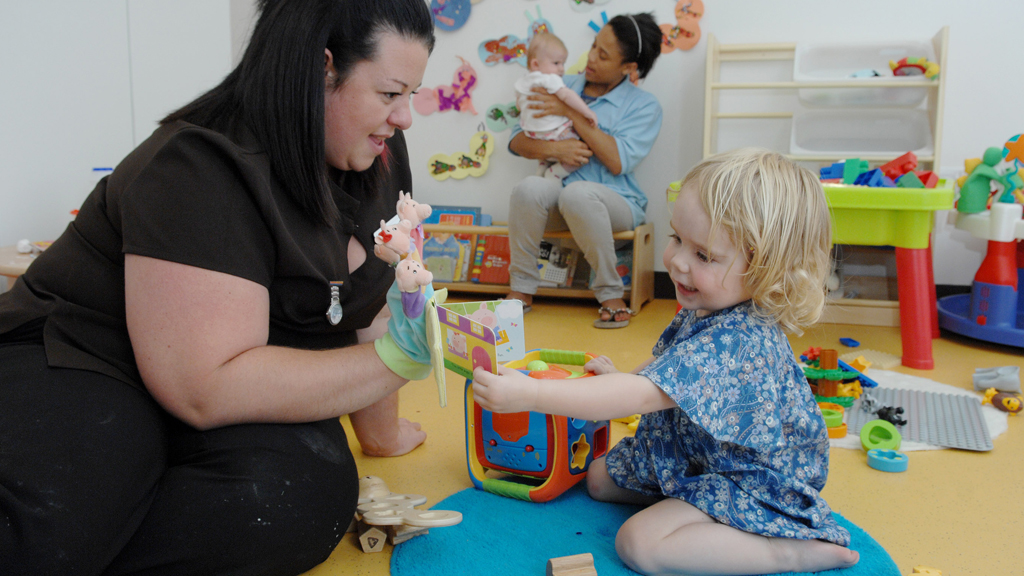
However, critics highlight the disproportionate impact on specific groups, especially new mothers. Around 340,000 women claim statutory maternity pay or maternity allowance annually, and these benefits have historically risen in line with inflation. Now, with the 1% cap, new mothers will see their support lag behind actual living costs. By 2015, this policy is expected to amount to an effective cut of roughly £180 in benefits due to the disparity between inflation and the capped increase.
__IMAGE_PLACEHOLDER_1__
Voices of Opposition: The Church and Political Critics
The welfare reforms have drawn strong condemnation from faith leaders and opposition politicians alike. Archbishop Justin Welby, who will be formally enthroned at Canterbury Cathedral soon, joined 42 other bishops in signing an open letter condemning the changes. He warned that families and, most tragically, children would bear the cost of these austerity measures, potentially pushing an additional 200,000 children into poverty.
This stance reflects a broader concern within the Church of England about the social consequences of government policy. Welby’s predecessor, Dr Rowan Williams, faced significant backlash for expressing similar views, underscoring the tension between religious institutions and political leadership over welfare issues.
Political opposition also remains vocal. Yvette Cooper MP, the Shadow Minister for Women, has accused the government of imposing a “mummy tax,” arguing that the welfare reforms are part of a series of austerity cuts that unfairly burden women. She emphasized that women, who typically earn less and have fewer assets than men, are disproportionately affected by tax, benefit, pay, and pension changes. Cooper’s critique suggests a systemic blind spot on the part of the Prime Minister and Chancellor, who she says fail to grasp the gendered impact of austerity.
__IMAGE_PLACEHOLDER_2__
Government Response and Wider Context
The government maintains that these are difficult but necessary decisions in challenging economic times. Baroness Warsi, the Minister for Faith and Communities, acknowledged the concerns raised by the Church but stressed the need to make tough choices as incomes across society remain stagnant and inflation persists.
David Laws MP, Liberal Democrat Schools Minister, defended the reforms by pointing out the public sector pay freeze and the 1% cap on public sector pay increases, highlighting that austerity measures are affecting all income groups. He noted that the government has tried to mitigate hardship by raising the tax-free personal allowance and exempting some of the lowest-paid public sector workers from pay freezes.
A spokeswoman for the Department for Work and Pensions reiterated that pensioners and disabled people are protected from these caps, and that most working-age benefits will continue to rise by 1%. She framed the policy as a tough but necessary step to ensure the sustainability of the welfare system. Additionally, the government points to recent tax reforms that have lifted two million people out of paying income tax, aiming to support those on lower incomes.
__IMAGE_PLACEHOLDER_3__
Why These Changes Matter
The welfare reform debate strikes at the heart of broader societal questions about fairness, economic priorities, and the role of government in protecting vulnerable populations. For new mothers like Helen Mockridge, a single mum-to-be, the issue is personal. Mockridge argues that the burden of deficit reduction should not fall on vulnerable groups such as single mothers or the disabled. Instead, she advocates for taxing the very wealthy, highlighting concerns about rising inequality and the growing gap between rich and poor.
These reforms come amidst ongoing economic strain and public sector austerity, forcing policymakers into difficult choices about how best to balance budget constraints with social protection. The debate also exposes underlying tensions regarding gender equity, social justice, and the prioritization of family welfare.
Looking Ahead: What This Means for Families and Society
The proposed cap on welfare benefit increases signals a shift in how the government approaches social support. While framed as a fiscal necessity, the policy risks deepening hardship for many families, particularly new mothers who depend on maternity benefits to bridge the financial challenges of early parenthood. The warnings from religious leaders and opposition politicians underscore the potential for increased child poverty and social inequality if these measures are implemented without adjustment.
As the government moves forward with these reforms, the public discourse will likely center on finding a balance between economic responsibility and social compassion. The intensity of the criticism suggests that welfare policy will remain a contentious issue, with significant implications for social cohesion and the wellbeing of future generations.
Ultimately, the debate over the “mummy tax” and welfare caps highlights the complex choices faced by governments in times of austerity: how to protect the vulnerable while managing public finances, and how to ensure that support systems evolve in ways that do not inadvertently punish those most in need.