The last six passengers aboard the MV Hondius—comprising four Australians, one Briton, and one New Zealander—disembarked on Monday, marking a significant step toward resolving the recent health scare surrounding the vessel. Alongside them, several crew members also left the ship, concluding a complex repatriation process that spanned several days.
Comprehensive Repatriation Effort for Passengers and Crew
In total, 122 passengers and crew members from the MV Hondius have been safely repatriated to the Netherlands and their respective home countries. This was accomplished through a series of government-chartered flights organized to ensure swift and secure transport. The coordinated effort reflects a high level of international cooperation in response to the health concerns that emerged during the ship’s voyage.
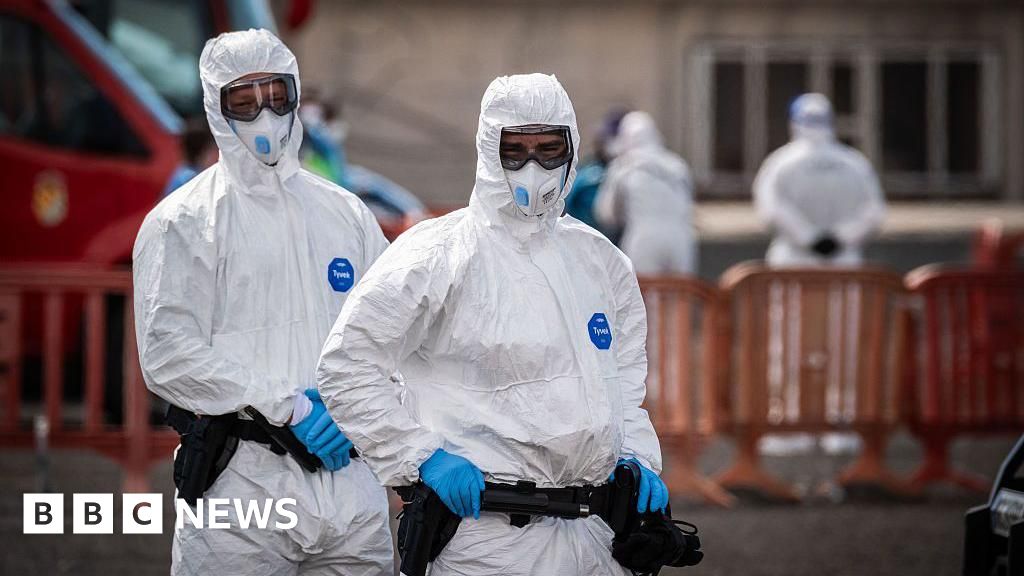
As of Monday evening, Oceanwide Expeditions, the company operating the MV Hondius, reported that 27 individuals remained onboard. This group consisted of 25 crew members and two medical staff. Their nationalities included 17 Filipinos, four Dutch nationals (including the medical personnel), four Ukrainians, one Russian, and one Polish crew member.
International Coordination and Health Monitoring
The Ukrainian Foreign Ministry confirmed that the four Ukrainian crew members still on board would assist with the ship’s transfer back to the Netherlands. Upon arrival, they are set to undergo quarantine at a designated medical facility as a precautionary measure, despite showing no symptoms of illness. This precaution underscores the ongoing vigilance exercised by authorities to prevent further transmission.
Additionally, the Philippine Embassy announced the safe arrival of 17 Filipino crew members in the Netherlands on Tuesday morning. Their repatriation is part of a broader effort to ensure the well-being of all individuals involved while maintaining international protocols for health and safety.
Background: The Initial Outbreak and Its Impact
The outbreak began with the tragic death of a 70-year-old Dutch passenger on April 11. He was the first person to develop symptoms consistent with hantavirus infection on board but passed away before confirmatory testing could be conducted. This initial case triggered heightened health measures and a comprehensive response to contain any potential spread of the virus among passengers and crew.
Hantavirus infections are rare but can be severe, often transmitted through exposure to rodent droppings or urine. The prompt actions taken by the ship’s operators and international health authorities have helped mitigate what could have escalated into a larger outbreak.
What This Means for Maritime Health and Safety
The MV Hondius incident highlights the critical importance of rapid response and international collaboration in managing infectious disease risks in maritime settings. Cruise ships and expedition vessels operate in close quarters, making them vulnerable to outbreaks that can quickly affect many people.
Ensuring effective quarantine protocols, timely medical intervention, and transparent communication among countries is essential to protect passengers, crew, and wider communities. The coordinated repatriation and health monitoring efforts following the MV Hondius outbreak serve as a model for handling similar situations in the future.
While the situation aboard the MV Hondius appears stabilized, authorities continue to monitor all individuals involved closely. The experience underscores the ongoing need for vigilance and preparedness in the maritime travel industry, especially as global health threats continue to evolve.
Full details about the final health status of the remaining crew and medical staff have not yet been released.