

Sir Keir Starmer is under intense pressure to unveil a long-overdue defence investment plan ahead of the upcoming NATO summit. However, rushing this crucial strategy risks undermining the UK’s credibility on the international stage, as government officials scramble to meet what has evolved into a politically charged deadline.
The Urgency Behind the Defence Investment Plan
The United Kingdom’s defence posture has become a focal point for NATO allies amid escalating global security challenges. NATO expects member states, especially major powers like the UK, to present clear and credible plans demonstrating when they will be fully prepared for potential conflict scenarios. This includes concrete investment commitments and timelines to modernize armed forces and enhance military readiness.
Starmer’s plan, long delayed and now hastily pushed forward, aims to reassure NATO partners of the UK’s commitment to collective defence. Yet, the accelerated timeline raises concerns among defence officials and analysts. They warn that compressing the process to meet the political deadline compromises thorough policy development, risk assessment, and resource allocation.
Behind the scenes, civil servants and military strategists are working at a frantic pace, trying to align the defence priorities with budgetary constraints and evolving geopolitical realities. The tension between delivering a politically palatable document and crafting a robust, actionable plan is palpable.
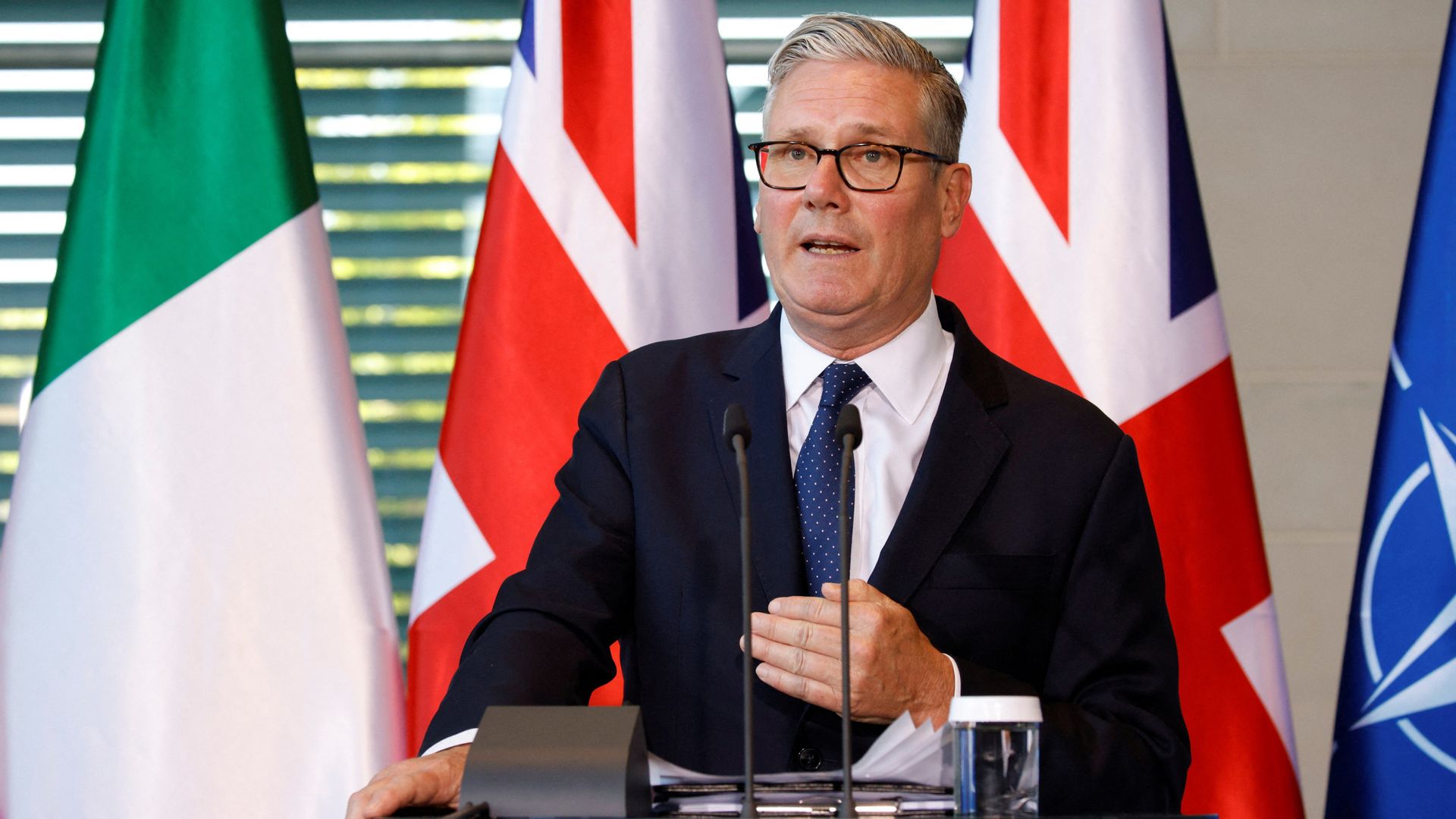
Why the Delay Matters and the Stakes for the UK
Delays in defence planning have broader implications beyond the immediate NATO summit. The UK’s military readiness signals its strategic priorities, impacting defence industry confidence, international partnerships, and deterrence capabilities.
Starmer’s leadership is now under scrutiny as critics argue that failing to present a credible defence trajectory could weaken the UK’s standing within NATO and diminish its influence on the alliance’s collective security decisions. The UK’s ability to respond to threats hinges not only on military hardware but on clear political commitment and strategic clarity.
This challenge is further complicated by internal political dynamics. The responsibility for defence policy has traditionally rested with the government, and Starmer, as the opposition leader, faces limitations in shaping or committing to long-term military investments. The pressure to deliver a plan “in his gift” is therefore somewhat misplaced but politically unavoidable.
What Comes Next: Implications for NATO and UK Defence
As the NATO summit approaches, all eyes will be on the UK’s defence announcement. Allies will scrutinize whether the plan outlines a realistic timeline for achieving full readiness and addresses critical capability gaps.
Failure to meet expectations could prompt questions about the UK’s reliability as a security partner and impact future negotiations on defence spending and collaborative operations. Conversely, a well-articulated plan would reinforce the UK’s role as a key player in European and global security architecture.
For Starmer, delivering this plan is a delicate balancing act between political expediency and strategic necessity. His government must navigate the complexities of defence policy while demonstrating leadership that commands both domestic and international confidence.
Why This Defence Plan Matters to Everyone
The defence investment plan is more than a bureaucratic exercise; it shapes the future of UK security and its contributions to global stability. NATO’s call for transparency and readiness reflects the heightened risks facing the alliance, from geopolitical tensions in Eastern Europe to evolving threats in cyber and hybrid domains.
A credible roadmap for UK defence readiness reassures citizens, allies, and adversaries alike. It signals that the UK is prepared to meet its commitments and adapt to a rapidly changing security environment. Moreover, it supports the defence industry, which depends on clear government direction to innovate and sustain the armed forces.
In this high-stakes environment, haste may undermine confidence, while delay risks irrelevance. The challenge for Starmer and his team is to deliver a defence plan that is both timely and substantive—a reflection of the UK’s enduring commitment to peace and security.
In conclusion, the forthcoming defence investment plan represents a critical test of UK leadership within NATO. The outcome will influence the alliance’s strategic posture and the UK’s ability to stand ready for future challenges. How Starmer navigates this moment will shape not only his political legacy but the nation’s security trajectory for years to come.