

Europe is witnessing an unprecedented display of military coordination as 3,000 elite special forces troops from the United States, the United Kingdom, and 22 other NATO countries converge for the alliance’s largest-ever special operations exercise on the continent. This massive training event unfolds at a critical moment when the US, under President Donald Trump’s administration, has signaled a reduction in military support and engagement with its traditional allies.
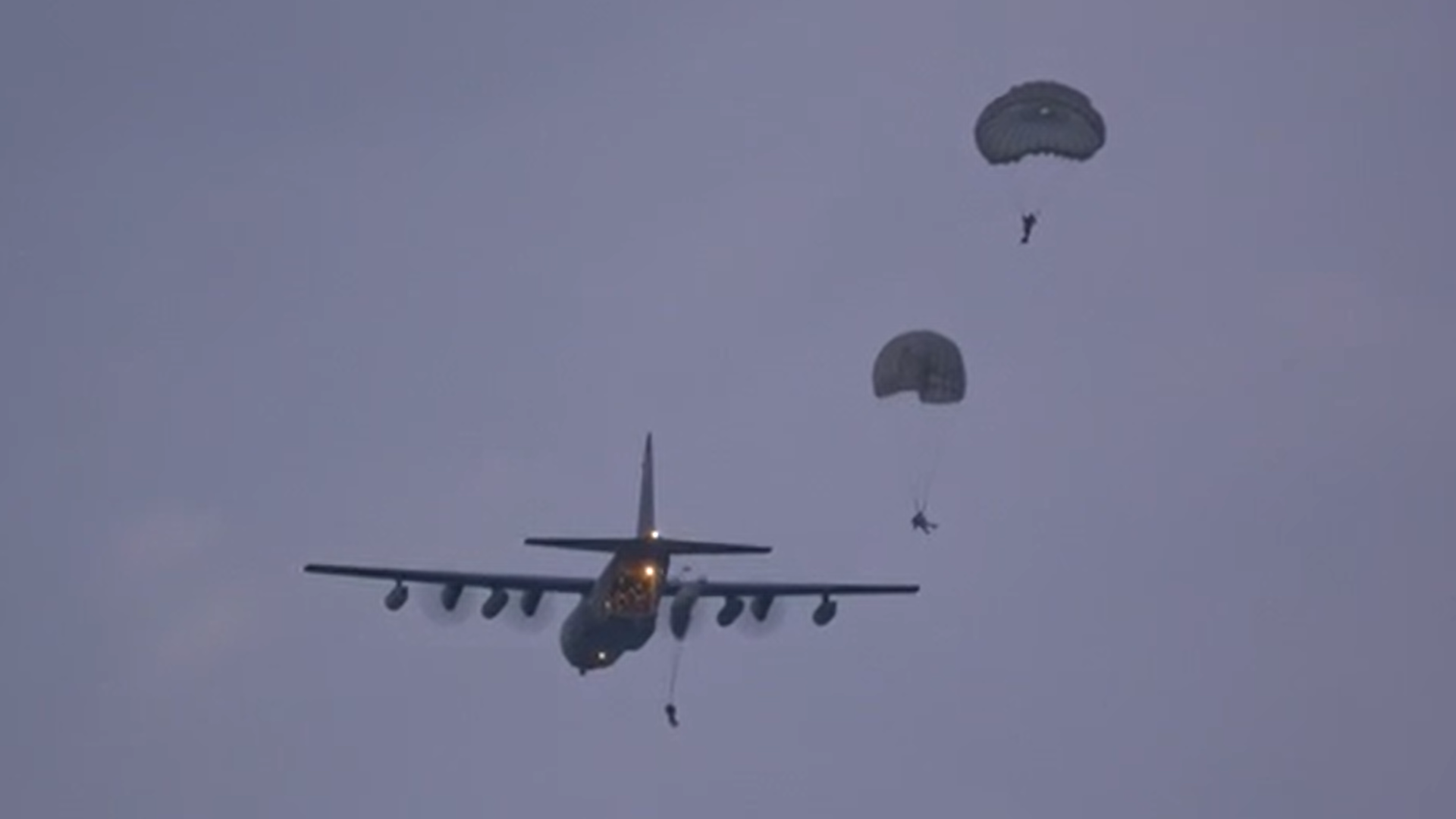
The Scope of NATO’s Largest Special Forces Exercise
This extraordinary exercise marks a milestone in NATO’s operational capabilities, bringing together an extensive array of special forces units from across the alliance. The participating troops represent a diverse coalition, including the US’s elite Green Berets and Navy SEALs, the UK’s SAS and SBS, alongside special operators from countries such as Germany, France, Canada, Poland, and others.
The scale of this operation is unprecedented, both in terms of troop numbers and the complexity of the simulated missions. The exercise is designed to enhance interoperability among allied forces, refine rapid deployment strategies, and test advanced tactics in counterterrorism, unconventional warfare, and intelligence gathering.
Training scenarios span various environments, including urban warfare, mountainous terrain, and maritime operations. These exercises aim to prepare NATO’s special forces for emerging security challenges, ranging from hybrid warfare threats by hostile states to asymmetric threats posed by terrorist organizations.
Context: US Policy Shifts and NATO’s Response
The timing of this massive exercise is notable given the evolving geopolitical landscape, particularly the US’s recalibration of its foreign military commitments. Since taking office, President Donald Trump has expressed skepticism about NATO’s relevance and has pushed for burden-sharing reforms, demanding increased defense spending from European allies.
Trump’s administration has also indicated plans to reduce US troop deployments in Europe and limit support in ongoing NATO operations. This stance has raised concerns about the future cohesion and deterrence capability of the alliance, especially in light of rising tensions with Russia and instability in regions bordering NATO territories.
Against this backdrop, NATO’s decision to conduct its largest special forces exercise sends a powerful signal of unity and preparedness. It demonstrates the alliance’s commitment to collective defense and its capability to operate seamlessly despite political challenges within member states.
Why This Exercise Matters for NATO and Global Security
Special forces units are often the first responders in crises requiring swift, precise action. Their ability to operate covertly and effectively within complex environments makes them indispensable in modern warfare. By investing in extensive joint training, NATO ensures that its elite troops remain at the cutting edge of military readiness.
This exercise also serves to reassure NATO members and partners about the alliance’s enduring strength. It highlights the importance of multinational cooperation in deterring aggression and maintaining stability across Europe and beyond.
Moreover, the exercise prepares the alliance to face multifaceted threats, including cyberattacks, disinformation campaigns, and unconventional armed conflicts. Enhanced special forces interoperability increases NATO’s agility in responding to potential crises, whether in Eastern Europe, the Mediterranean, or elsewhere.
Looking Ahead: Strengthening NATO’s Future
While US policy shifts have introduced uncertainty, NATO’s largest special forces exercise underscores the alliance’s resilience and adaptability. The operation not only improves tactical capabilities but also reinforces strategic partnerships among member nations.
As global security challenges evolve, NATO’s commitment to joint training and readiness remains crucial. Future exercises will likely build on this foundation, ensuring that the alliance can effectively counter emerging threats and maintain peace and security across its member states.
In summary, this historic special forces exercise reflects NATO’s proactive approach to defense collaboration. It reinforces the message that despite political fluctuations, the alliance remains a formidable force prepared to protect its members and uphold international stability.