

Electric scooters have surged in popularity across England, promising convenient and eco-friendly urban travel. However, a troubling new study reveals that this trend comes with a steep price for the youngest riders: nearly 500 children have sustained injuries in e-scooter accidents since 2019, many of which were serious.
Rising E-Scooter Injuries Among Children: The Alarming Numbers
The study, which analyzed hospital data from 2019 onward, highlights a significant public health concern. Approximately 500 children under the age of 18 have required medical attention following accidents involving e-scooters. These injuries vary from minor cuts and bruises to severe fractures and head trauma.
Experts warn that the true scale of the problem could be even larger, as not all incidents result in hospital visits or official reports. The data underscores that children, who may be less experienced or cautious, are particularly vulnerable to accidents with these fast-moving vehicles.
Why Are Children at Risk?
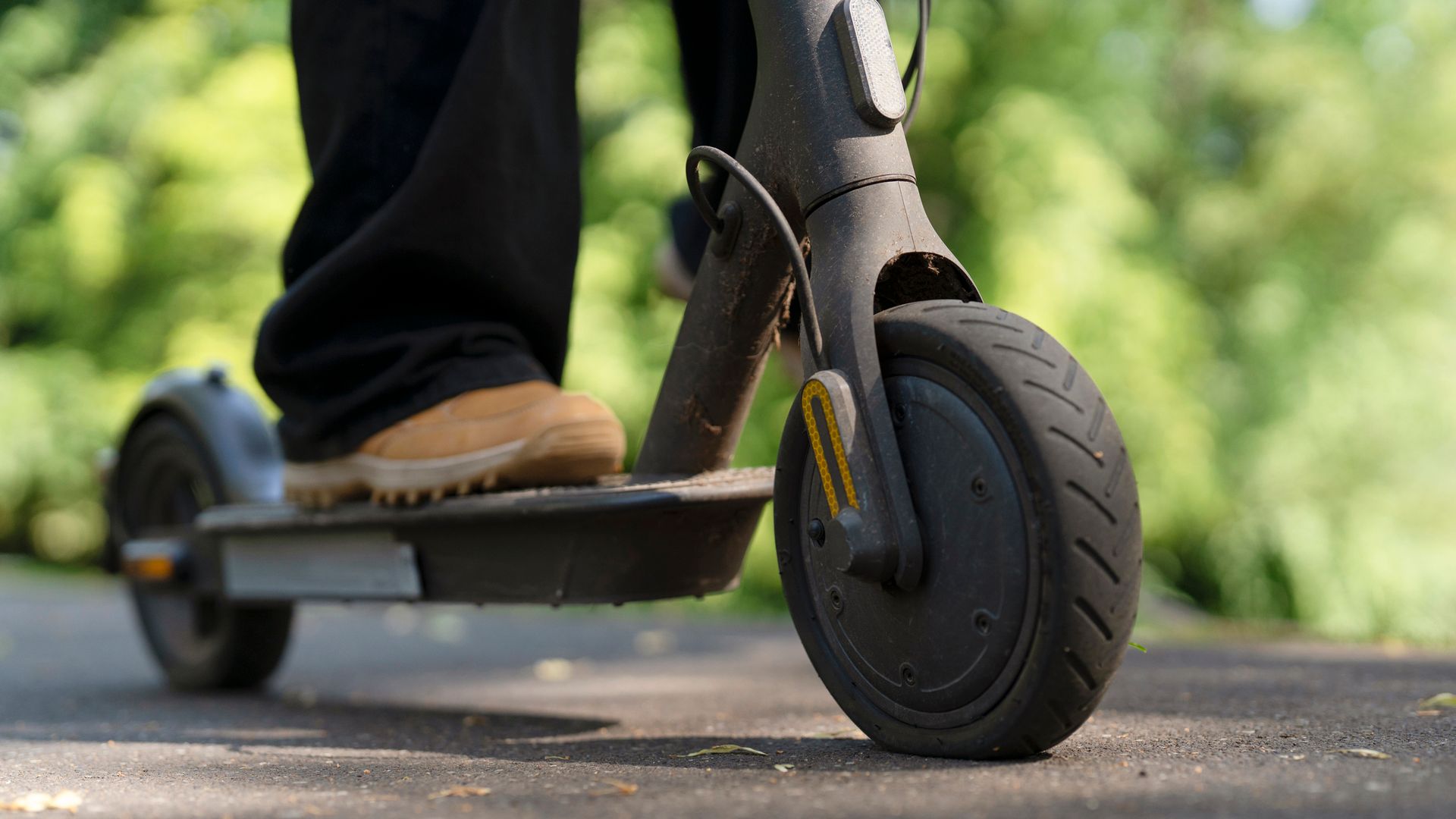
E-scooters combine speed with ease of use, which can tempt children and teenagers to ride without proper safety measures. Unlike bicycles, many e-scooters can reach speeds exceeding 15 mph, increasing the risk of high-impact collisions. Additionally, children often lack protective gear such as helmets or pads, further exacerbating injury severity.
Urban environments add to the hazards. Uneven pavements, busy roads, and pedestrian congestion create challenging conditions for young riders. Many parents and safety advocates express concern over the lack of comprehensive regulations tailored specifically to protect children on e-scooters.
Legal and Regulatory Context
In England, regulations around e-scooter use remain evolving. While rental e-scooters are permitted in select cities under trial schemes, privately owned devices operate in a legal grey area, especially when used by minors. This patchwork of rules often leaves parents and children unsure about where and how e-scooters can be safely operated.
The Wider Impact and What This Means for Public Safety
The surge in child injuries linked to e-scooters raises pressing questions about urban transport safety and youth protection. Hospitals report an increasing burden on emergency departments treating these accidents, straining resources and highlighting the need for preventive measures.
Safety campaigners urge policymakers to implement stricter age restrictions, mandatory helmet laws, and robust public education programs. Schools and community organizations could play vital roles in teaching young riders about the risks and responsible use of e-scooters.
Moreover, urban planners are called upon to design safer infrastructure, including dedicated lanes and clearer signage, to minimize conflicts between e-scooters, pedestrians, and motor vehicles. The goal is to create an environment where the benefits of electric scooters do not come at the cost of children’s wellbeing.
Looking Ahead: Addressing the Challenge
As e-scooters continue to integrate into England’s transport landscape, balancing innovation with safety becomes crucial. The data on child injuries serves as a wake-up call for families, authorities, and manufacturers alike.
Ensuring that children can enjoy the convenience of e-scooters without undue risk demands coordinated action—clear regulations, improved safety gear accessibility, and community awareness. Without these measures, the number of young victims is likely to rise, undermining public confidence in this emerging mode of transportation.
Parents and caregivers should remain vigilant, encouraging safe riding habits and compliance with local laws. Meanwhile, ongoing research and monitoring will be essential to track progress and adapt strategies to protect the youngest and most vulnerable riders.
The rise in serious e-scooter injuries among children is not just a statistic; it is a call to action to safeguard the future of urban mobility and the health of the next generation.