

Every year, hundreds of stoneworkers face a hidden yet fatal threat: silicosis, a lung disease caused by inhaling fine silica dust. In response, the Health and Safety Executive (HSE) has introduced fresh guidance designed to reduce these tragic and preventable deaths. But are these new measures sufficient to protect workers, or do they leave critical gaps unaddressed?
Understanding Silicosis and Its Impact on Stoneworkers
Silicosis is a severe and often fatal respiratory disease triggered by prolonged exposure to respirable crystalline silica dust. This dust is commonly generated in industries such as stone cutting, masonry, and quarrying. Stoneworkers are particularly vulnerable as their jobs frequently involve cutting, grinding, and polishing materials like sandstone, granite, and engineered stone—all rich in silica.
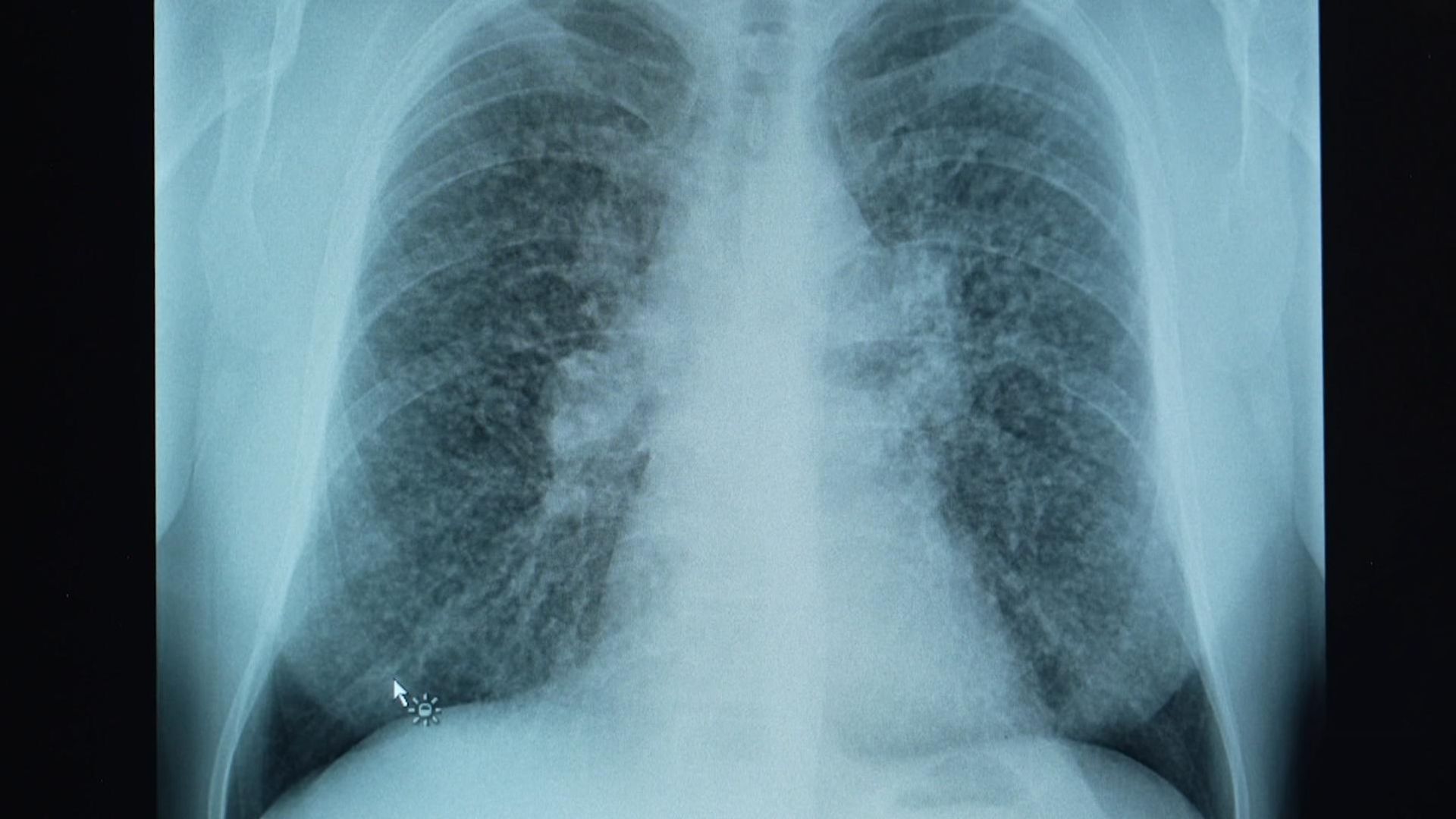
The disease gradually scars lung tissue, leading to coughing, breathlessness, and ultimately respiratory failure. Despite being entirely preventable through effective dust control and protective measures, silicosis remains a significant occupational health issue worldwide.
In the UK alone, dozens of stoneworkers have succumbed to silicosis in recent years, sparking calls for stricter regulations and better enforcement. Many cases have emerged from the engineered stone sector, where the fine dust content is especially high, intensifying workers’ exposure risks.
What the New HSE Guidance Entails
The HSE’s updated guidance focuses on strengthening workplace controls to minimize silica dust exposure. Key recommendations include:
- Improved Dust Extraction Systems: Employers must ensure that effective local exhaust ventilation (LEV) is in place on cutting and polishing machinery to capture dust at the source.
- Mandatory Use of Respiratory Protective Equipment (RPE): When engineering controls cannot fully eliminate dust, workers must wear appropriate respirators certified for silica dust protection.
- Enhanced Health Surveillance: Regular medical monitoring of workers exposed to silica dust aims to detect early signs of silicosis or related health issues before they become irreversible.
- Comprehensive Training: Employers are required to educate workers on the dangers of silica dust, proper use of control measures, and personal protective equipment.
The guidance also emphasizes risk assessments and encourages employers to substitute high-silica materials with safer alternatives where possible. By systematically addressing these factors, the HSE hopes to drive down the incidence of silicosis in stoneworking trades.
Are These Measures Enough?
While the new guidance represents a vital step forward, several industry experts and worker advocates argue it does not go far enough to eradicate silicosis risks entirely.
One major concern is that the guidance remains advisory rather than mandatory legislation. Without enforceable legal requirements and significant penalties for non-compliance, some employers may fail to implement the necessary controls rigorously.
Moreover, the effectiveness of dust extraction systems and respirators depends heavily on proper maintenance, correct usage, and ongoing worker training—areas where oversight can falter. In smaller or less regulated workplaces, these safeguards may be inconsistently applied.
Advocates also highlight the need for greater transparency and reporting of silicosis cases to better track the disease’s prevalence and hold employers accountable. Currently, underreporting and delayed diagnoses obscure the full scope of the problem.
Why This Matters and What Comes Next
Silicosis is a preventable occupational disease, yet it continues to claim lives due to insufficient controls and awareness. The HSE’s new guidance signals a commitment to improving worker safety but also underscores the ongoing challenges faced by stoneworkers and regulators alike.
For stoneworkers, these updates mean enhanced protections and potentially longer, healthier careers. For employers, the guidance demands a reassessment of workplace practices and investment in safer technologies.
Policymakers and industry stakeholders must continue pushing for stronger enforcement mechanisms, mandatory standards, and comprehensive health monitoring to eliminate silicosis deaths fully. Public health advocates stress that only a combined effort involving regulation, education, and innovation can safeguard this vulnerable workforce.
As the stoneworking industry evolves, embracing safer materials and cleaner technologies will be critical. The new HSE guidance lays the groundwork, but its real impact depends on robust implementation and ongoing vigilance.
In summary, the updated HSE rules mark a crucial advance in the fight against silicosis, yet the battle is far from over. Protecting stoneworkers requires unwavering commitment from employers, regulators, and workers themselves to ensure that deadly dust no longer claims innocent lives.