

Every September, the Met Office unveils the list of storm names set to be used for the upcoming season, sparking public interest and preparedness across the United Kingdom and Ireland. But what is the process behind selecting these names, and why does it matter? Understanding the origins and purpose of storm naming offers valuable insight into weather communication and safety measures.
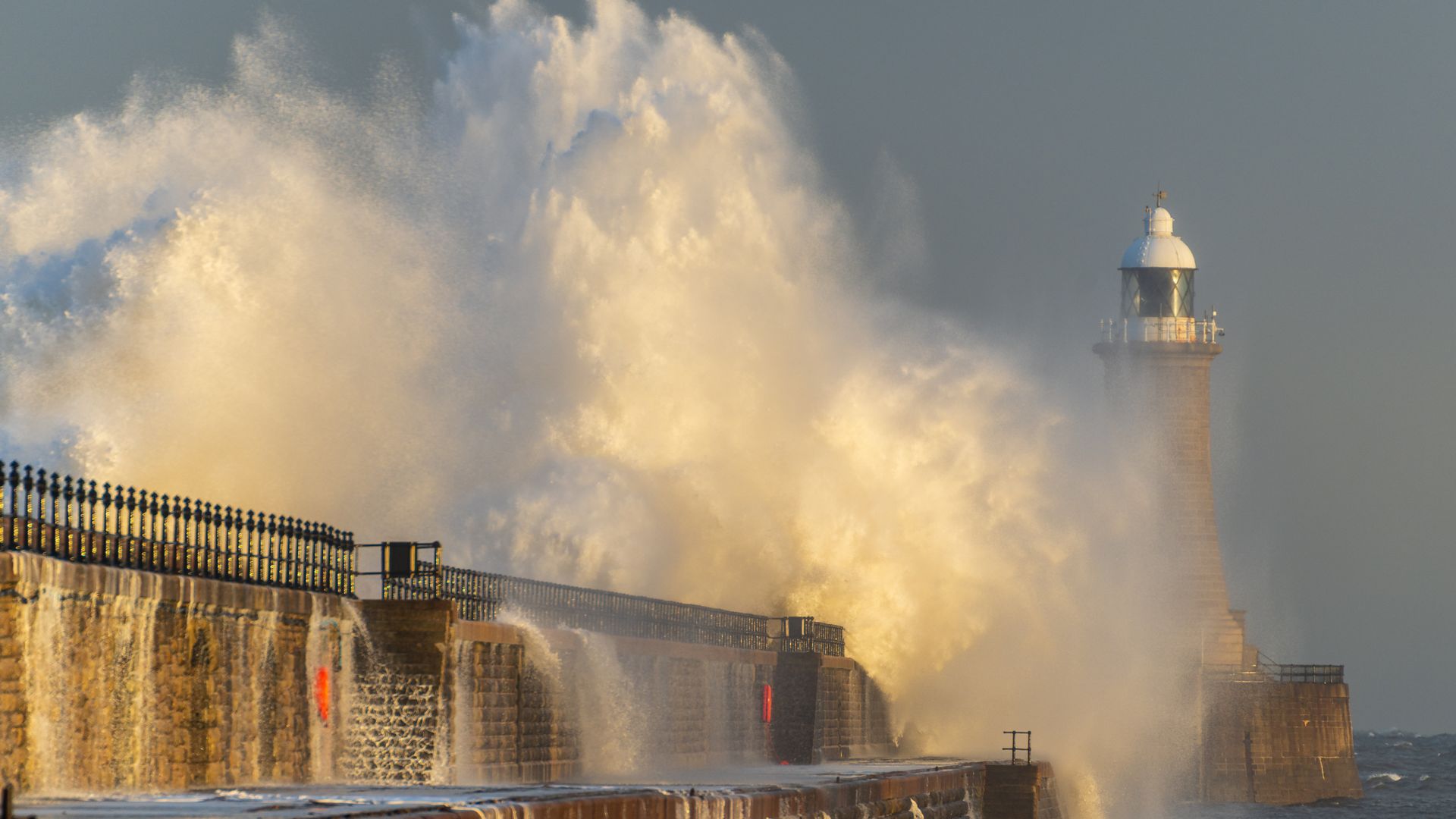
The Process Behind Storm Naming
The naming of storms in the UK and Ireland follows a collaborative approach led by the Met Office, the Irish Meteorological Service (Met Éireann), and the Royal Netherlands Meteorological Institute. Each year, these agencies work together to compile a new alphabetical list of names—typically alternating between male and female names—to ensure clear and effective communication.
Public involvement plays a key role in this process. The Met Office invites suggestions from residents across the UK and Ireland, encouraging people to submit names that are easy to pronounce and memorable. This public input ensures that the names resonate culturally and linguistically with those most affected by the storms.
Once the list is finalized, it is published ahead of the storm season to raise awareness and help media outlets, emergency services, and citizens prepare for potentially severe weather events.
Why Naming Storms Matters
Assigning names to storms is not just a trivial tradition—it serves a critical function in public safety and meteorological communication. Named storms receive more focused attention in weather forecasts and news coverage, making it easier for people to understand the severity and potential impact of an incoming weather system.
By providing a clear and consistent identifier, storm names reduce confusion, especially when multiple weather systems occur simultaneously. This consistency enables emergency responders to issue timely alerts and coordinate responses more effectively.
Moreover, studies have shown that named storms tend to prompt higher public engagement with weather warnings, leading to better readiness and potentially saving lives. The use of names helps transform abstract meteorological data into a tangible threat that demands attention.
What to Expect in the Upcoming Storm Season
With the new list of storm names now public, residents and organizations can anticipate how future weather events will be communicated. The names chosen reflect a diverse range of cultural influences and are designed to be easily understood across different regions and languages.
As severe weather patterns become increasingly frequent and intense due to climate change, the importance of clear and effective storm communication only grows. The Met Office and its partners continue to refine the naming process to enhance public safety and awareness.
Storm names act as a crucial tool in the broader framework of disaster preparedness, helping communities stay informed and ready to act when nature’s fury strikes.
Looking Ahead: The Impact of Storm Naming
Storm naming exemplifies how science and public engagement combine to improve safety outcomes. By demystifying weather threats through familiar names, meteorological agencies foster a stronger connection between forecasts and the public’s actions.
As we move forward, the ongoing collaboration between meteorologists and the public will sustain this vital practice, ensuring that warnings remain clear, urgent, and effective.
Understanding how storm names are chosen and why they are essential empowers individuals to take weather alerts seriously and prepare accordingly—turning names into a frontline defense against severe weather hazards.