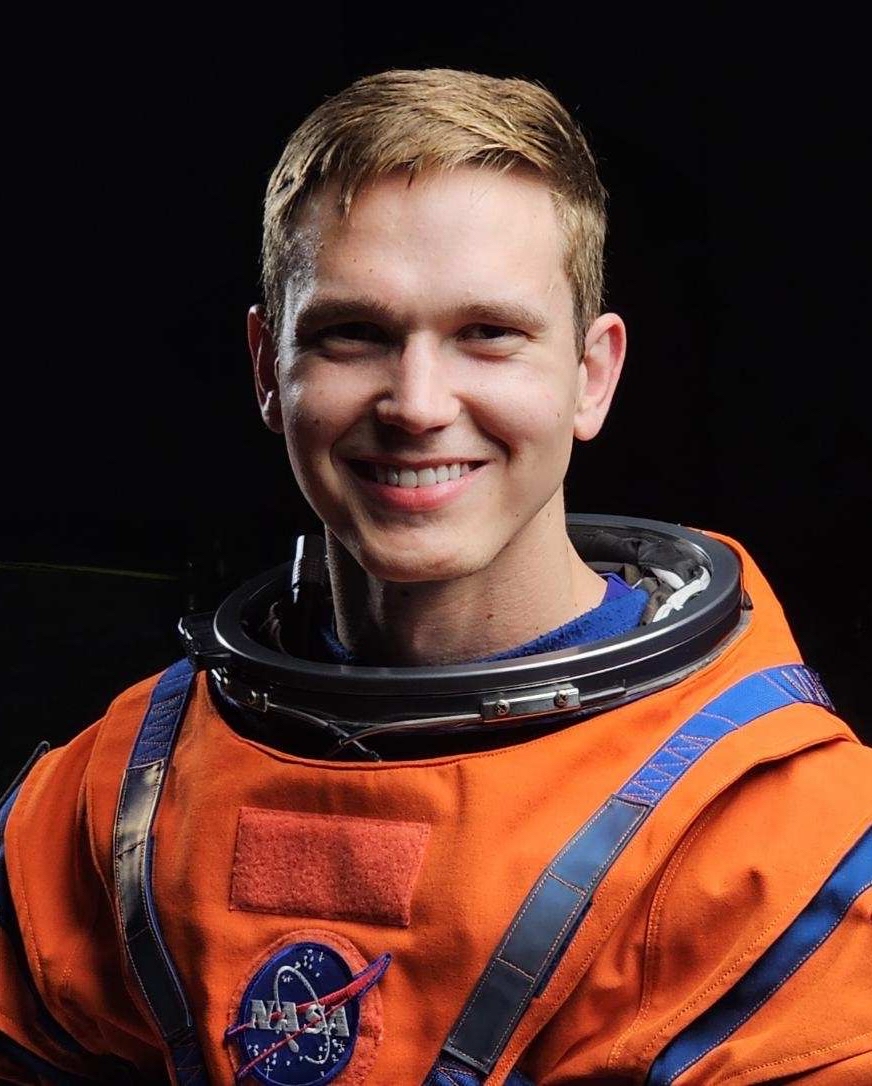
From aspiring astronaut to vital engineer, Nicholas Houghton has transformed his childhood dream into a career safeguarding the lives of astronauts on NASA’s groundbreaking Artemis missions. As a key member of the Orion Crew Survival Systems team, Houghton plays an indispensable role in designing and certifying the life-preserving technologies that protect astronauts during their journeys beyond Earth’s atmosphere.
Designing Life-Saving Systems for Orion Missions
Houghton’s journey at NASA began as a Pathways intern before he secured a full-time position as an engineer at the Johnson Space Center in Houston. There, he joined the Orion Crew Survival Systems (OCSS) team, responsible for developing the advanced pressure suits and survival hardware critical to astronaut safety on missions like Artemis II, the historic crewed flight around the Moon.
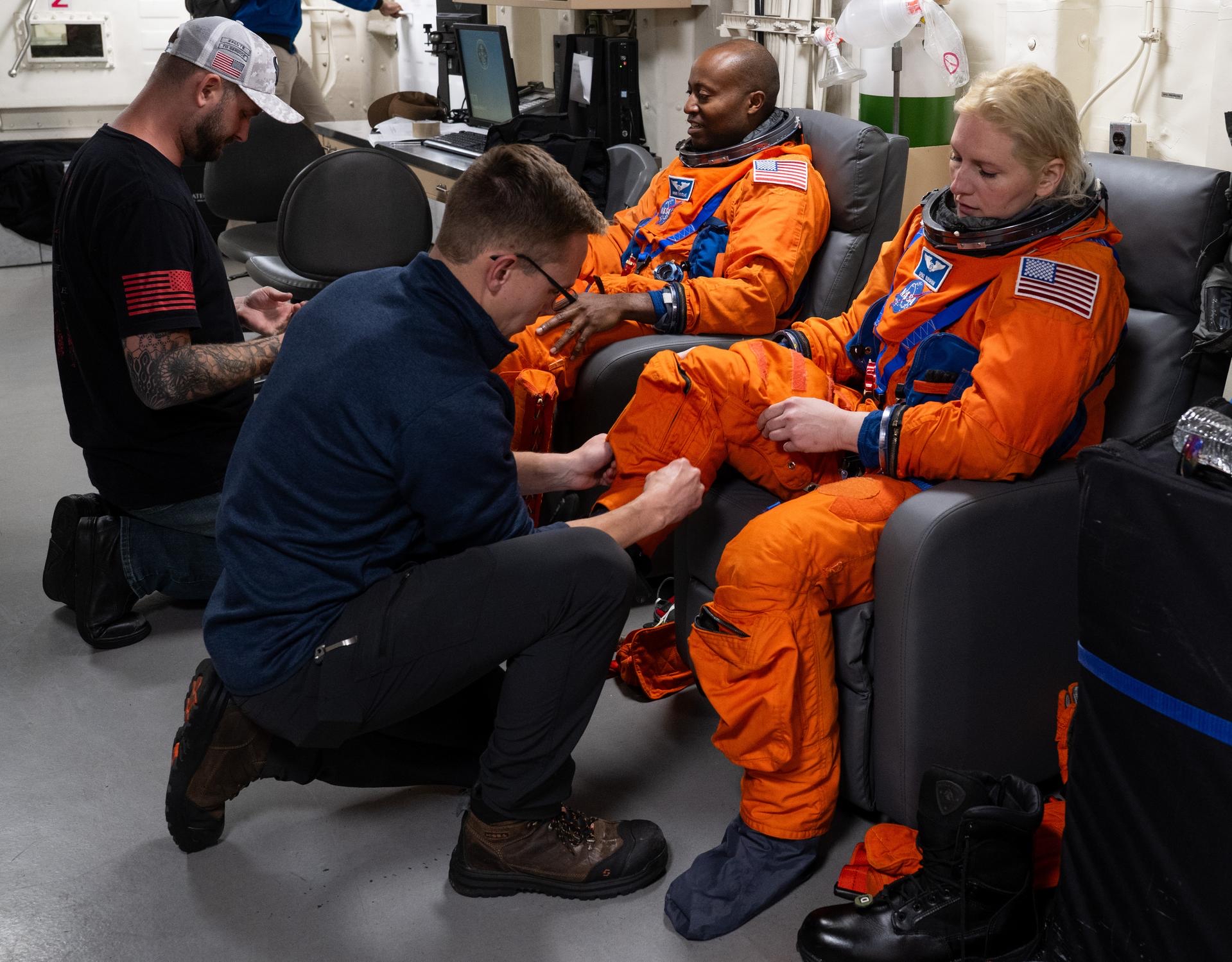
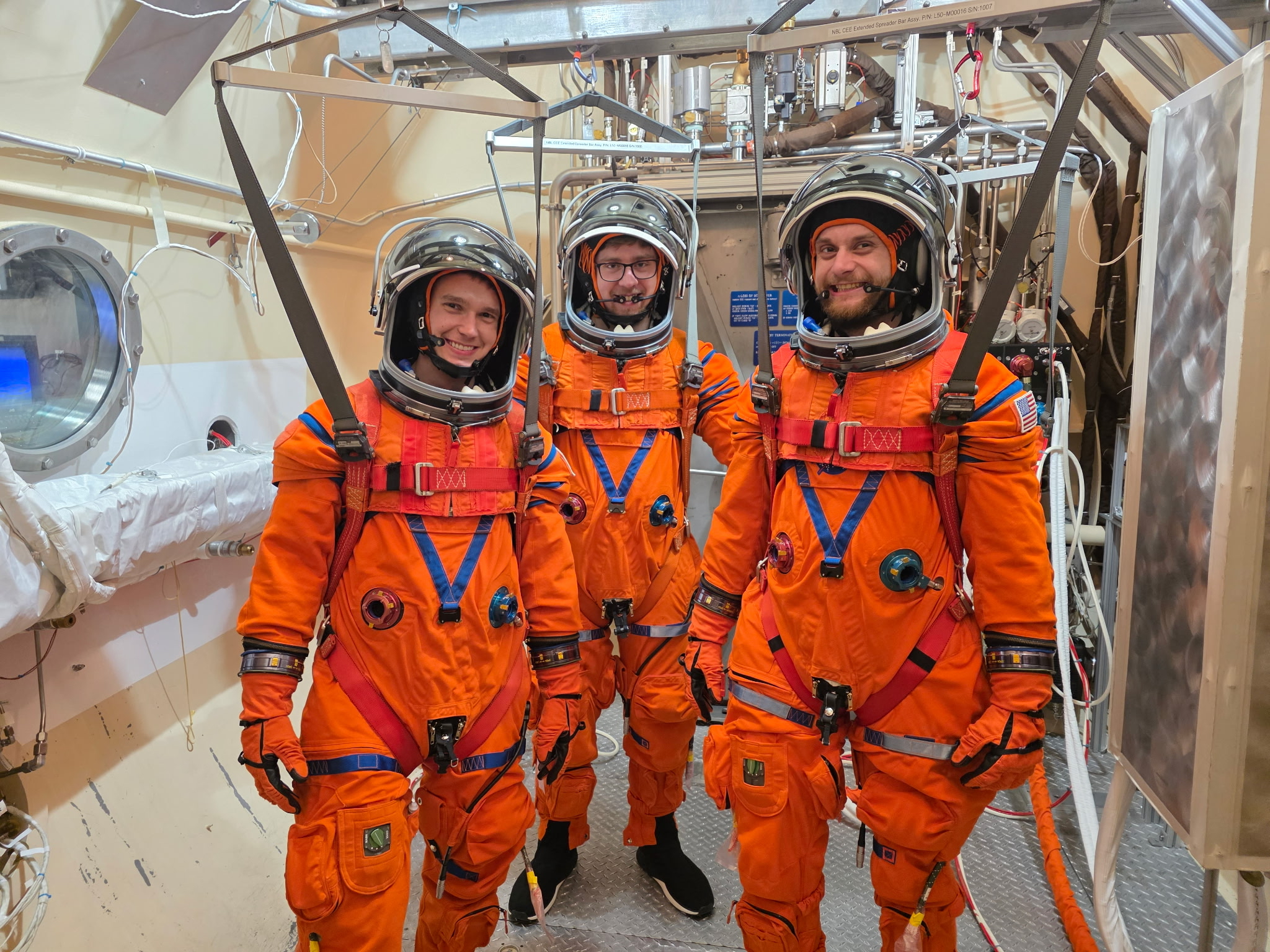
The OCSS team’s hallmark is the iconic orange pressure suit worn inside the Orion spacecraft. These suits are more than just protective garments; they integrate complex survival hardware designed to keep astronauts safe during contingency scenarios before launch, throughout the mission, and following splashdown back on Earth.
As the manager of key flight hardware components, Houghton oversees the development and certification of essential survival tools such as the Orion Crew Survival Kits, the Suit-Worn Survival Suite, and Life Preserver Units. His responsibility spans the entire lifecycle of these systems—from initial design and rigorous testing to final certification—ensuring every component functions flawlessly under mission conditions.
Collaborative Engineering and Rigorous Testing
Engineering at NASA demands seamless collaboration across multiple scientific disciplines. Houghton works closely with experts specializing in electromagnetic interference, radiation protection, stress and structural loads, and materials science. This interdisciplinary teamwork allows the team to evaluate each survival system comprehensively and refine designs to meet the stringent safety standards required for human spaceflight.
Beyond hardware design, Houghton contributes significantly to the development of water survival and post-landing equipment. He drafts precise manufacturing and assembly procedures and troubleshoots technical challenges during integration and testing phases. These efforts ensure that all survival systems perform reliably in the extreme environments astronauts may encounter after re-entry into Earth’s atmosphere.
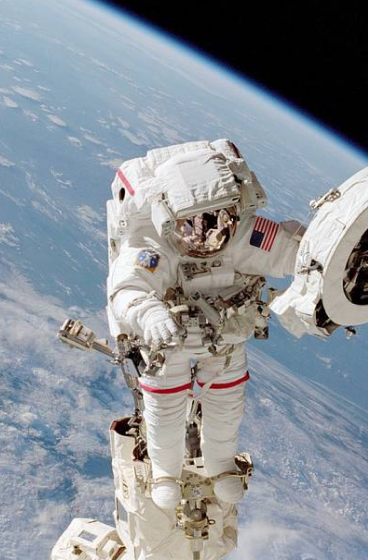
Ground testing forms the backbone of mission readiness. Houghton and his team push survival systems to their operational limits in controlled environments to identify and resolve any vulnerabilities well before flight. This exhaustive testing process is crucial to guaranteeing astronaut safety during real mission contingencies.
Preparing Astronauts and Recovery Teams for Real-World Missions
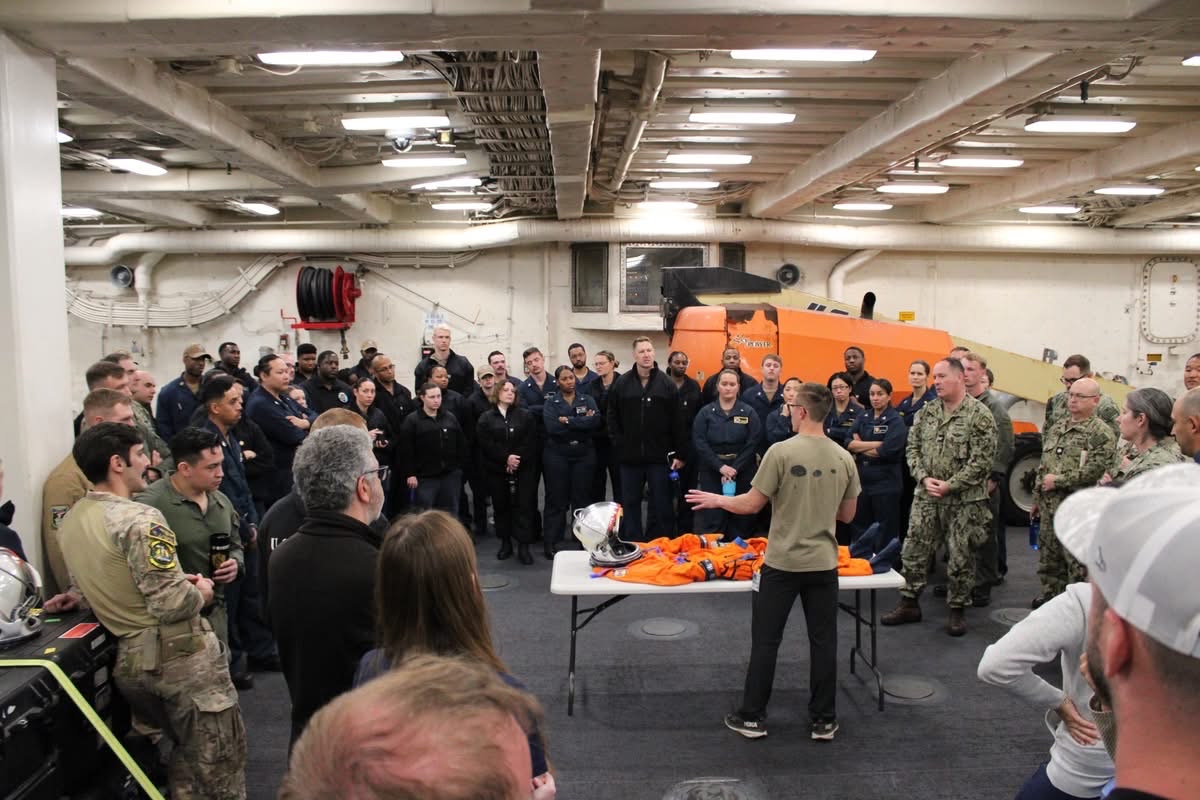
Houghton’s role extends beyond engineering into hands-on operational support. He actively participates in astronaut suit-up activities, helping crew members become familiar with their survival equipment. Additionally, he supports training for Department of Defense recovery forces, ensuring military personnel are equipped to perform swift and safe astronaut recoveries after splashdown.

A notable aspect of his work involves participating in Underway Recovery Training alongside the U.S. Navy. These exercises simulate post-splashdown recovery operations, rehearsing complex coordination between astronauts, recovery teams, and spacecraft to maximize safety and efficiency during actual missions.
Giving Back: Service Beyond NASA
Outside the high-tech world of space exploration, Houghton dedicates himself to community service as a volunteer firefighter and emergency medical technician. His commitment to serving others reflects a lifelong passion for helping those in critical situations.

“Serving my community is something that I have always been passionate about,” Houghton said. “I am thankful to have the opportunity to support those around me.”
Why This Matters
The Artemis missions represent humanity’s renewed ambition to explore the Moon and beyond, setting the stage for future crewed journeys to Mars. Ensuring astronaut safety during these missions is paramount, and engineers like Nicholas Houghton provide the critical expertise that transforms theoretical safety protocols into reliable, life-saving technologies.
Houghton’s work exemplifies the blend of technical precision, multidisciplinary collaboration, and operational readiness essential for space exploration success. His efforts not only protect the lives of astronauts but also advance NASA’s broader goals of sustainable human presence in deep space.
Looking Ahead
As NASA continues to push the boundaries of space exploration with upcoming Artemis missions and the Orion spacecraft at the forefront, engineers like Nicholas Houghton will remain vital. Their dedication ensures that every astronaut can embark on these historic voyages equipped with the best possible protection, paving the way for safe and successful exploration of the final frontier.