

Nicola Sturgeon, Scotland’s former First Minister, has publicly justified her decision to remain silent and respond with “no comment” during a police interview following her recent arrest. This stance has sparked widespread discussion about the legal and political implications surrounding her case.
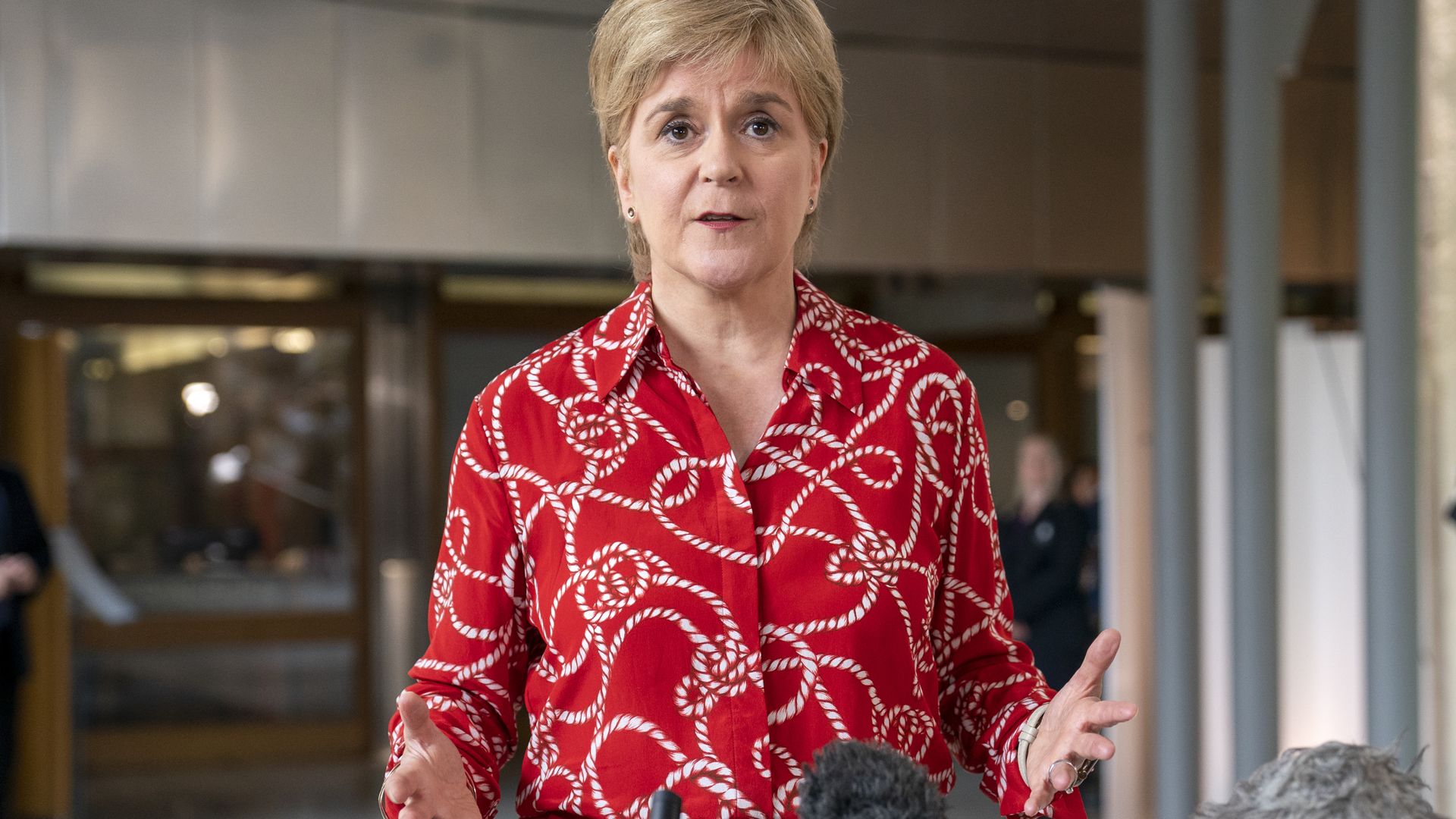
What Happened During the Police Interview?
In the aftermath of her arrest, Nicola Sturgeon was questioned by law enforcement officers investigating an ongoing inquiry. Throughout the interview, she chose to exercise her legal right to remain silent, providing no substantive answers beyond saying “no comment.”
Such a response is a recognized legal strategy commonly used to avoid self-incrimination. Sturgeon’s decision reflects a cautious approach amid a complex investigation. While this tactic prevents immediate disclosure of potentially sensitive information, it also leaves many questions unanswered for the public and media.
Her supporters argue that maintaining silence during police questioning is a prudent step to safeguard legal rights, especially in high-profile political cases. Critics, however, have expressed frustration, viewing the lack of transparency as evasive or obstructive, given her prominent role in Scottish politics.
Why Does This Matter?
Nicola Sturgeon’s arrest and subsequent police interview are significant not only because of her status as a former First Minister but also because they touch on broader issues of accountability and governance in Scotland.
The investigation itself relates to allegations that could impact public trust in political leadership. Sturgeon’s choice to give “no comment” answers highlights the tension between legal protections and the public’s demand for transparency from elected officials.
Furthermore, this situation underscores the challenges faced by public figures when navigating legal scrutiny. The balance between upholding individual rights and ensuring accountability remains a delicate and contentious matter in democratic societies.
Legal experts emphasize that exercising the right to silence is a standard procedure and does not imply guilt. Instead, it safeguards the interviewee from making potentially self-incriminating statements before full legal counsel and evidence review.
What Comes Next for Nicola Sturgeon?
Following the police interview, the investigation continues as authorities gather more evidence and assess the circumstances surrounding the case. Sturgeon’s legal team is expected to engage closely with investigators to protect her rights while addressing the allegations.
The public and political spheres will be watching closely, as the outcome could have far-reaching consequences for Scottish politics. Sturgeon’s reputation, future political involvement, and the broader political climate may all be influenced by the investigation’s findings.
As this high-profile case unfolds, it serves as a reminder of the complex interplay between law, politics, and public perception. The resolution will likely contribute to ongoing debates about transparency, justice, and governance in Scotland.
Takeaway: The Delicate Balance of Rights and Accountability
Nicola Sturgeon’s choice to remain silent during her police interview emphasizes the importance of protecting legal rights, even amid intense public scrutiny. While her “no comment” responses have fueled speculation, they align with established legal practices designed to prevent self-incrimination.
This case illustrates the challenges faced by political figures embroiled in investigations, highlighting the need for both accountability and respect for legal processes. As the investigation advances, the outcome will provide crucial insights into how Scotland’s political system handles allegations against its leaders.
Ultimately, Sturgeon’s stance during the interview invites reflection on how societies balance the rule of law with democratic transparency—an ongoing conversation that extends far beyond this single event.