

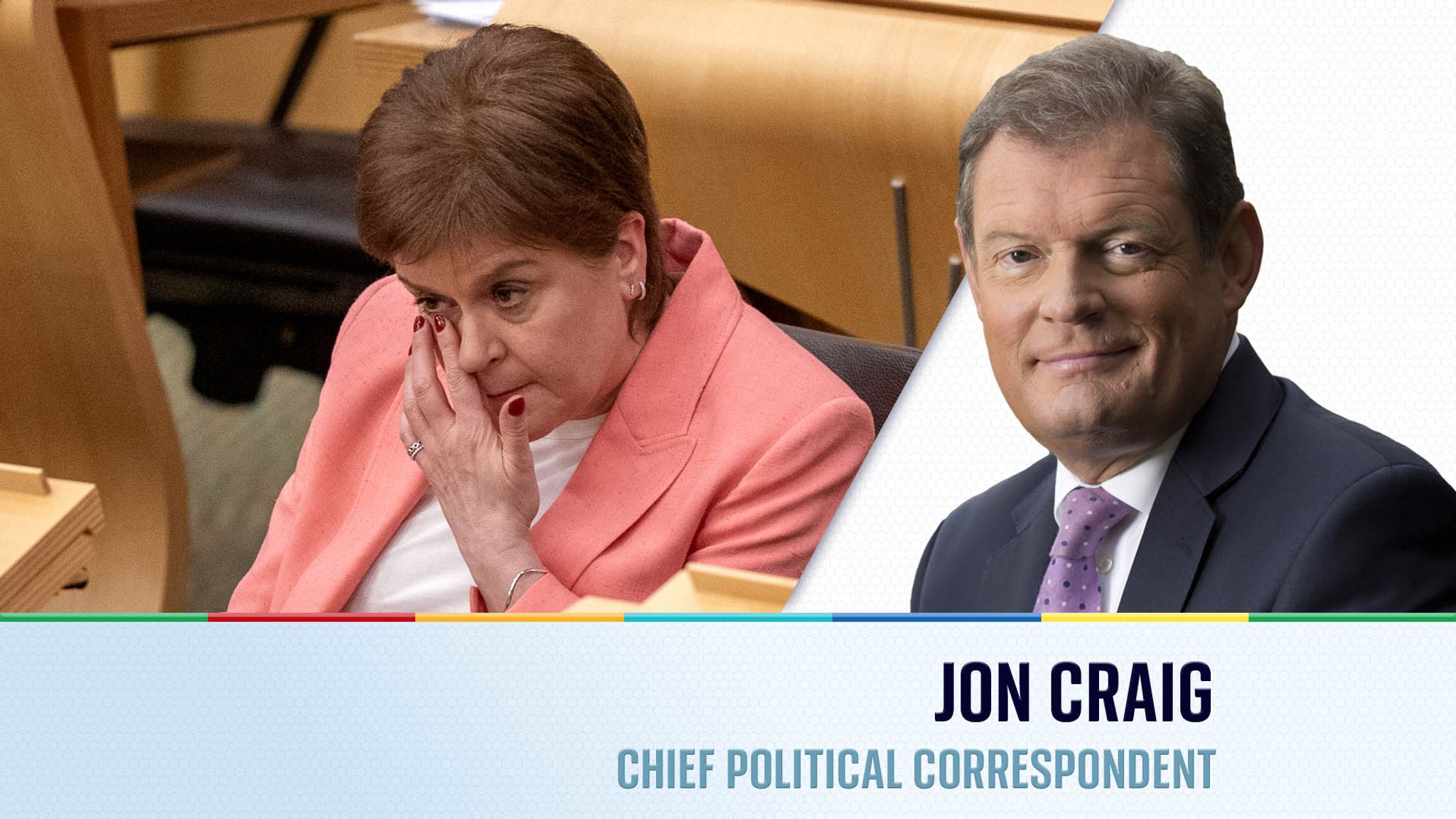
Nicola Sturgeon, the defining figure of Scottish nationalism for nearly three decades, delivered a heartfelt farewell speech as she stepped away from the Scottish Parliament. Marking the end of an era, Sturgeon reflected on her long political journey and offered poignant advice to her colleagues and the public.
A Storied Career Ending with Reflection
Sturgeon’s political career began with her election to the newly devolved Scottish Parliament in 1999. Over 27 years—almost half her life—she rose through the ranks to become Scotland’s first minister in 2014, a position she held until her resignation in 2023. Her departure came amid a challenging period involving a financial scandal linked to the Scottish National Party (SNP), though she was eventually cleared of any wrongdoing.
In her final address, Sturgeon acknowledged the difficulty of leaving Holyrood, describing it as a “wrench,” but emphasized that the timing felt right to move on. Her tenure saw dramatic political shifts, not all positive, and she accepted her share of responsibility for those changes.
From Protégé to Political Powerhouse
Sturgeon’s rise was closely tied to her relationship with Alex Salmond, the SNP leader who served as her mentor and predecessor as first minister. She was his deputy from 2007 until she succeeded him following the 2014 independence referendum, which the SNP narrowly lost.
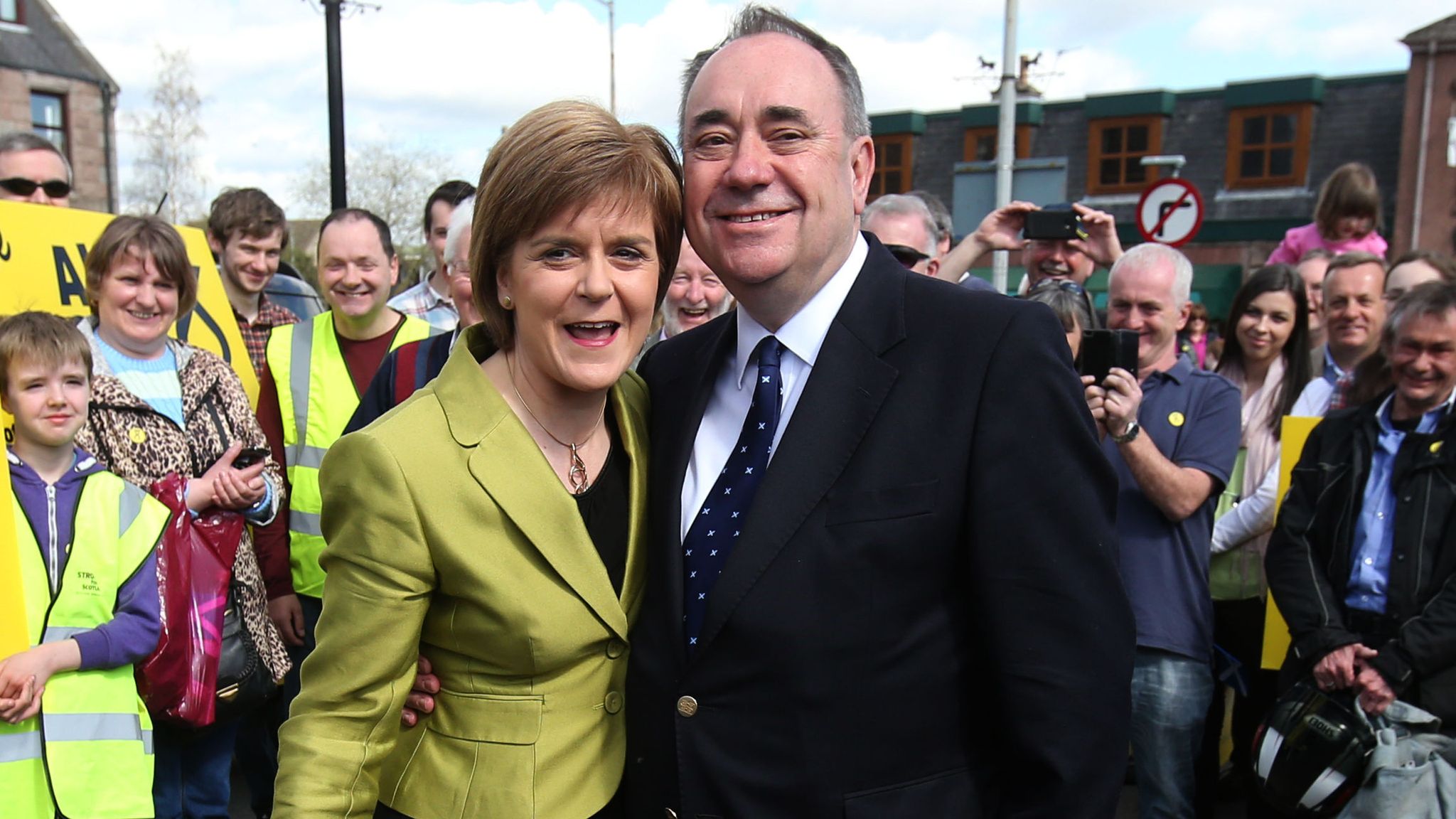
However, their alliance fractured spectacularly after sexual harassment allegations against Salmond led to a bitter public feud. Though Salmond was acquitted, Sturgeon’s relationship with him remained strained; she notably was not invited to his funeral following his death in 2024.
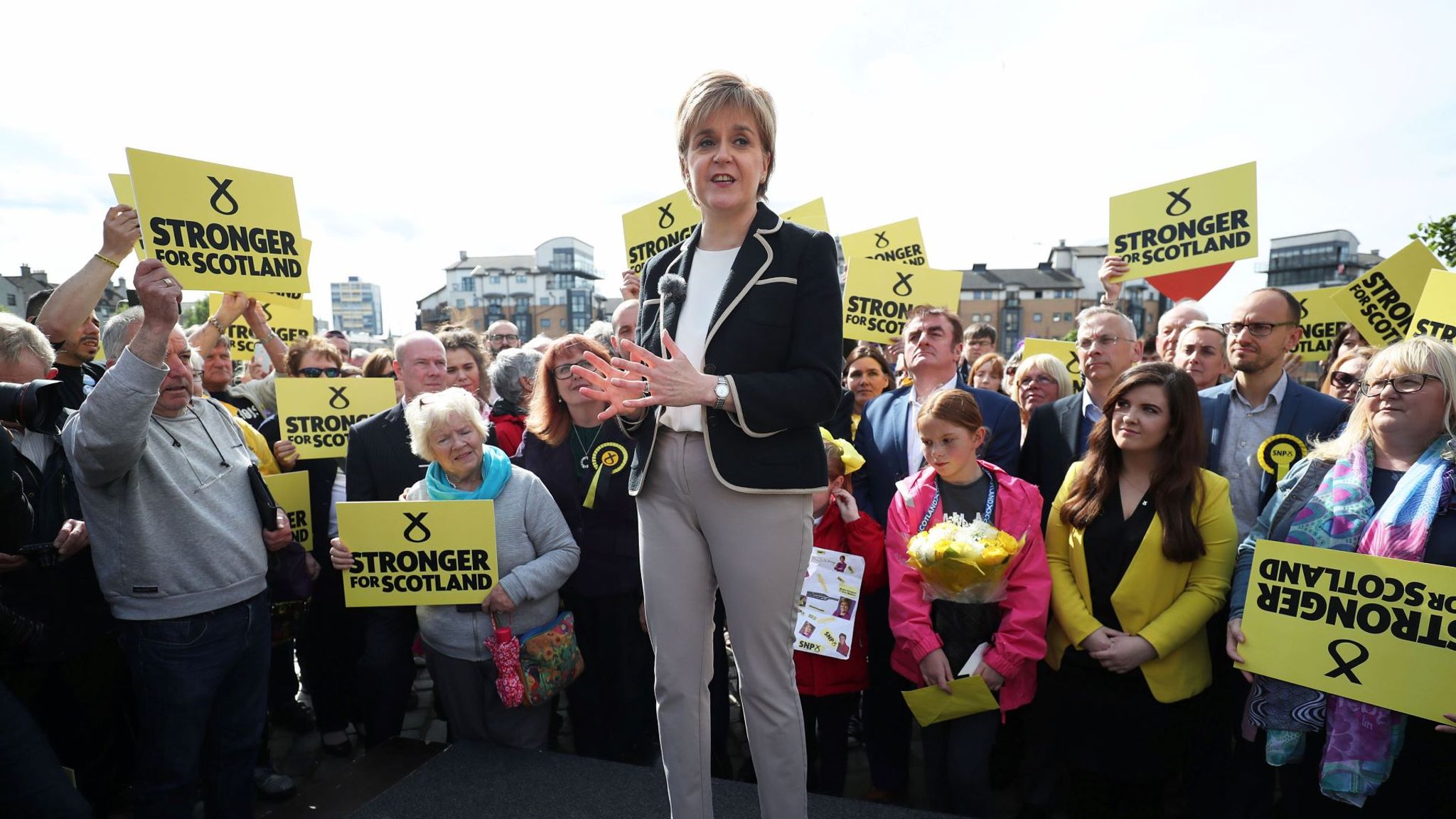
The pinnacle of Sturgeon’s political dominance came in the 2015 UK general election, where her leadership propelled the SNP to an unprecedented landslide victory. The party captured 56 of Scotland’s 59 Westminster seats, cementing her status as one of Britain’s most formidable political campaigners.

Her leadership style was marked by iron discipline, often credited to the partnership with her husband, Peter Murrell, who served as SNP chief executive. The couple, who met in 1988 and married in 2010, later separated in 2025 amid ongoing legal troubles for Murrell, charged with embezzlement related to the SNP’s financial scandal. He is scheduled to appear at Edinburgh High Court in May.
Parting Wisdom: Politics, Perspective, and Real Life
In her emotional farewell, with tears visible, Sturgeon urged Members of the Scottish Parliament (MSPs) to value the institution they serve and to rise above tribal politics. Despite leading the SNP with a strong partisan hand, she reminded politicians that “opponents need not be enemies.” She encouraged MSPs to think independently, warning against turning every issue into a scandal, which ultimately diminishes accountability.
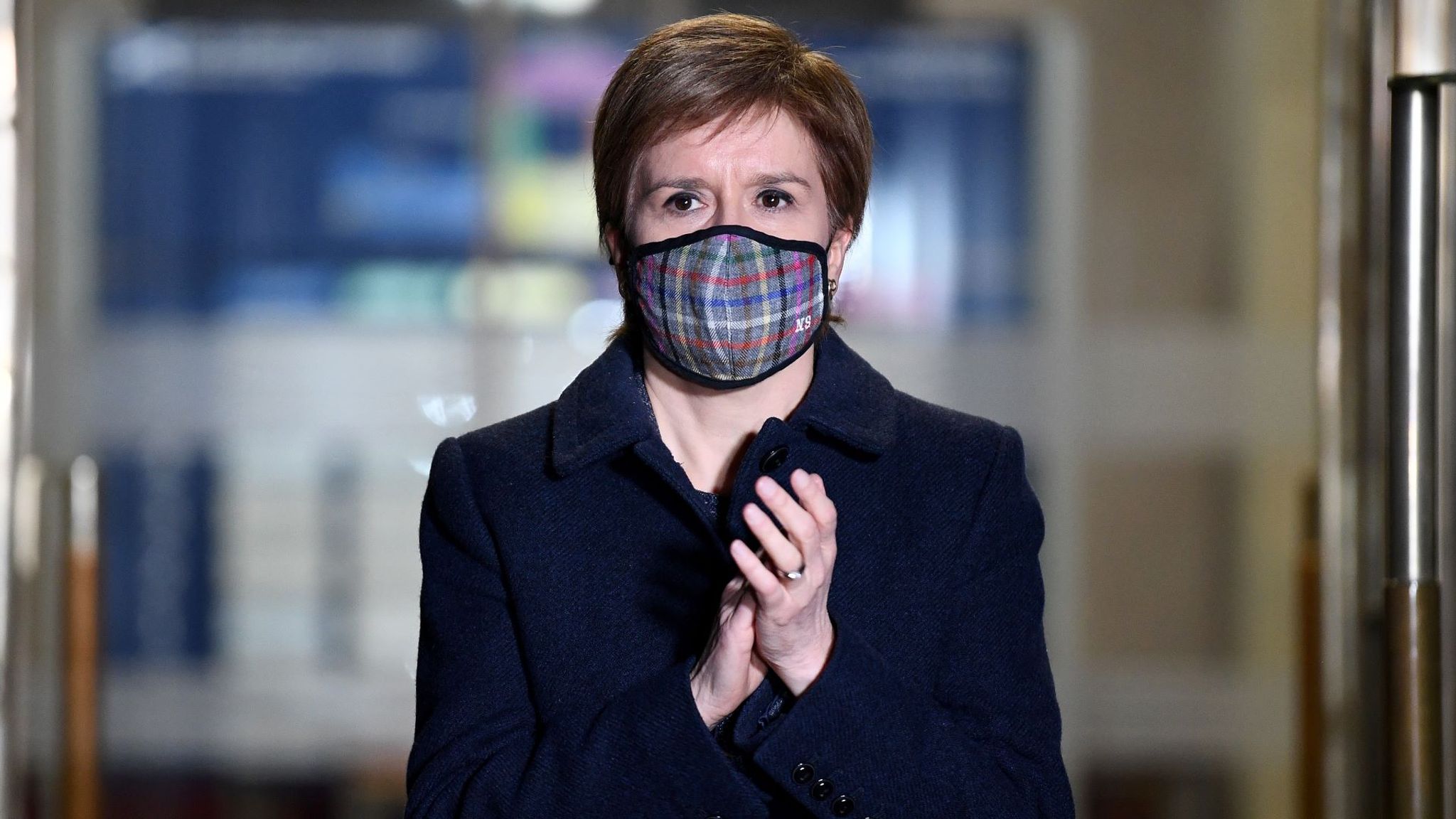
Sturgeon also addressed the pervasive influence of social media on modern politics. Despite her own substantial online following—1.3 million on X, nearly 450,000 on Facebook, and 130,000 on Instagram—she cautioned against living life through these platforms. “Use it, but never forget there is a real world out there and it is the people in it you are here to serve,” she said.
Her final message was a reminder of the privilege of serving in the Scottish Parliament. “Every day you walk through these doors and into this magnificent chamber, remember that it is a privilege, a rare privilege,” she said. “For 27 years it has been my privilege, one that I must now draw to a close.”
Why Sturgeon’s Departure Matters
Sturgeon’s exit signals a significant shift in Scottish politics. As a dominant nationalist leader, she not only shaped the SNP’s trajectory but also Scotland’s push for independence and its response to major events such as the Covid-19 pandemic. Her departure opens a new chapter for the SNP and Scotland’s political landscape, challenging successors to fill the void left by her formidable presence.
Her warnings about the dangers of social media reflect growing concerns about political discourse and public engagement in the digital age. By emphasizing the importance of real-world connection and perspective, Sturgeon’s farewell offers valuable guidance for politicians and citizens navigating an increasingly polarized environment.
As Scotland prepares for what comes next, Sturgeon’s legacy endures—a testament to passionate leadership, political resilience, and the complex realities of public service.