

Nigel Farage has launched a vigorous defense following recent scrutiny over a substantial financial benefit he reportedly received ahead of the 2024 UK general election. Facing intense public and media questioning regarding a £5 million ‘gift,’ Farage confronted allegations about the nature of these funds and their implications for his political activities.
What Happened: Farage’s Financial Controversy Explained
Farage responded to these inquiries with a fresh interview, staunchly defending his actions and character. He challenged the premise of the accusations by posing the rhetorical question, “What is my sin?” This pointed rebuttal reflects his stance that no wrongdoing occurred and that any financial transactions were lawful and above board.
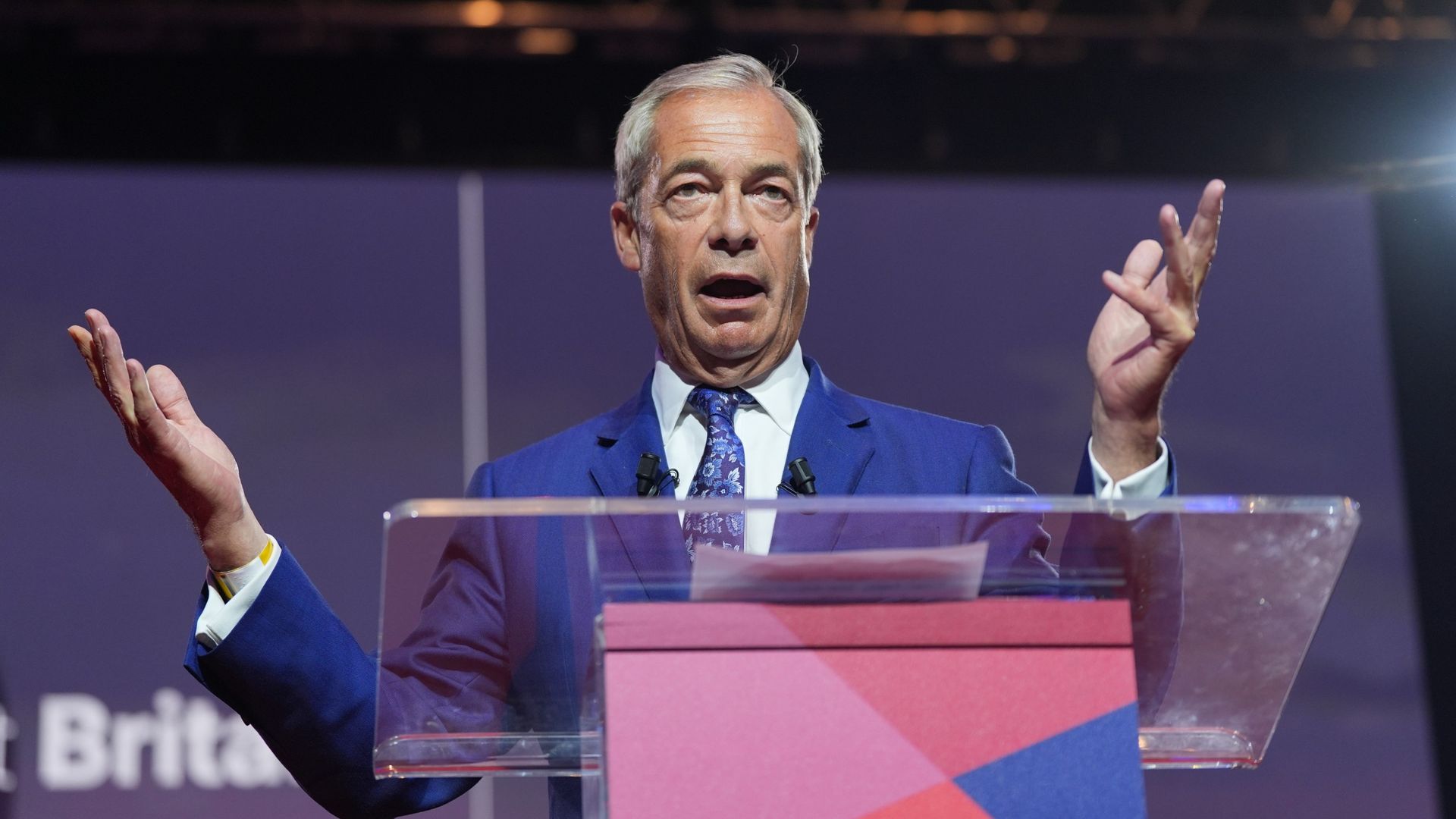
The timing of the funds—arriving in the lead-up to the 2024 general election—has intensified the spotlight on Farage, as election periods are subject to strict scrutiny regarding donations and financial support. Such scrutiny ensures that political funding remains transparent and free from undue influence or breaches of campaign finance regulations.
Why This Matters: Political Finance and Public Trust
The controversy surrounding Farage is not just about one individual’s finances; it highlights broader issues of political funding, transparency, and public trust in democratic processes. In the UK, strict rules govern how political parties and candidates can receive and declare donations, aiming to prevent corruption and maintain electoral fairness.
When high-profile figures like Farage face questions about large sums of money, it can fuel public skepticism about political integrity. Voters demand clarity on how campaigns are financed and whether donations or gifts may influence policy decisions or election outcomes.
Farage’s case underscores the challenge of balancing legal financial support with ethical considerations. While he maintains his innocence, the debate reignites discussions on the need for stringent oversight and clearer regulations to ensure political donations are transparent and accountable.
What Comes Next: Potential Implications and Developments
As investigations and media scrutiny continue, the outcome could have significant repercussions for Farage’s political standing and campaign activities. If authorities find any irregularities, it could lead to legal consequences or damage to his reputation among supporters and the broader electorate.
Conversely, if Farage successfully demonstrates that the funds were legitimate and properly declared, it may strengthen his position and deflect criticism. Either way, this episode serves as a critical case study in the importance of financial transparency in politics, particularly during election cycles.
Political observers will closely watch how regulatory bodies respond and whether this prompts calls for reform in campaign finance laws. Farage’s situation could catalyze wider discussions about how to safeguard democratic processes from financial improprieties.
Takeaway: The Stakes of Transparency in Political Funding
Nigel Farage’s robust defense against allegations concerning a £5 million gift highlights the ongoing tension between political financing and public accountability. This controversy emphasizes the vital role of transparency in sustaining trust in democratic elections.
As the 2024 general election approaches, the scrutiny around such financial dealings will likely intensify, reinforcing the necessity for clear, enforceable rules that protect electoral integrity. For politicians and voters alike, this episode serves as a reminder that the legitimacy of democracy hinges not only on votes but also on the honesty of the processes that support them.