

The relentless UK heatwave has triggered a tragic wave of drownings, with at least nine people losing their lives after struggling in open water this week. As temperatures soar to record-breaking highs, thousands across the country simultaneously confront severe water shortages, compounding the challenges posed by the extreme heat.
What Happened: Heatwave Spurs Multiple Drownings
The soaring temperatures have driven many Britons to seek relief in rivers, lakes, and other open water bodies. Unfortunately, the increased activity in natural swimming spots has resulted in multiple fatal incidents. At least nine individuals have drowned, highlighting the dangers of swimming in unsupervised or unfamiliar open water during extreme weather conditions.
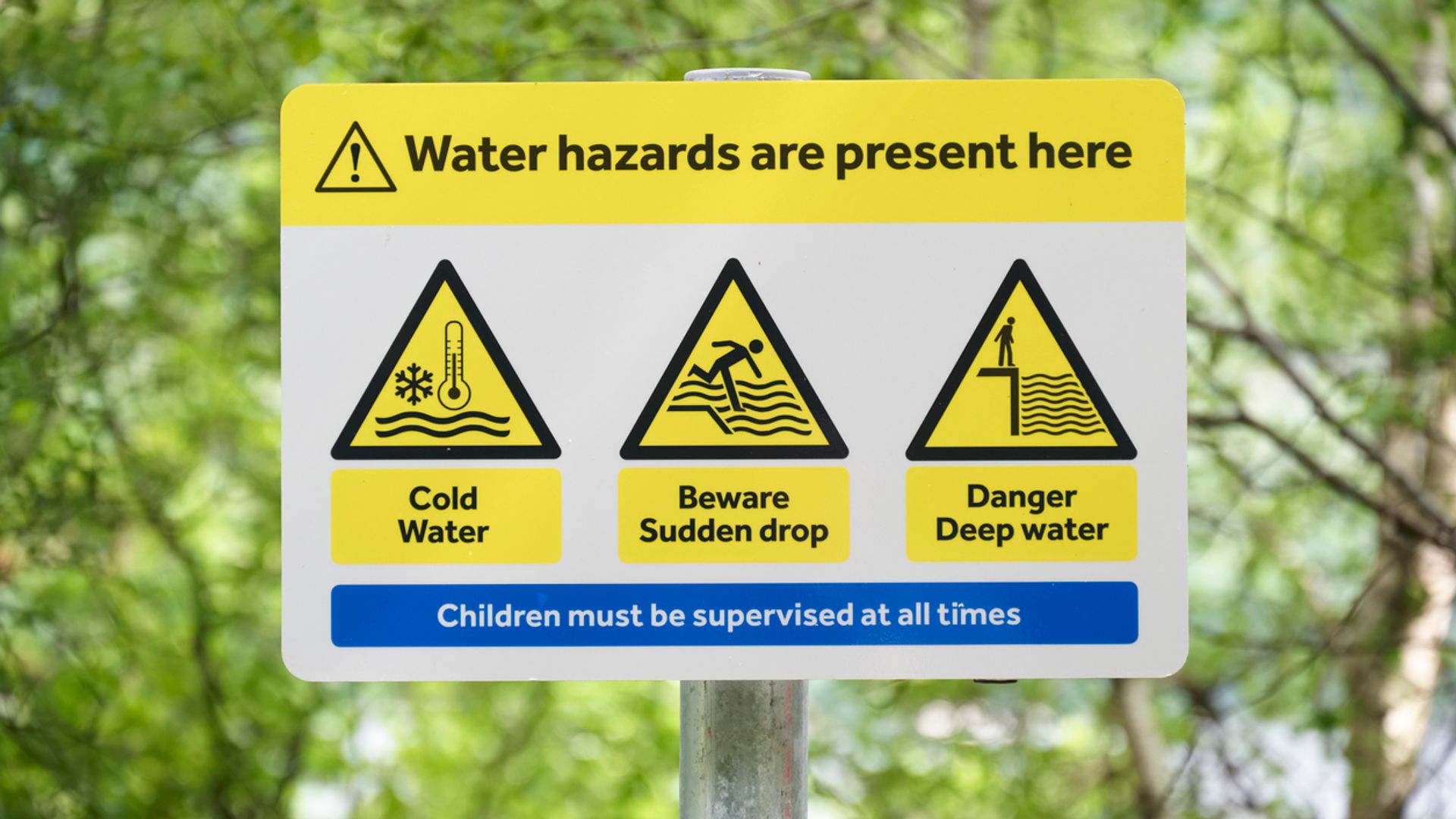
Officials warn that despite the temptation to cool off, open water swimming carries significant risks, particularly when safety measures are lacking or when swimmers overestimate their abilities. Sudden changes in water currents, cold underwater temperatures, and hidden hazards like debris or steep drop-offs can catch swimmers off guard.
Emergency services and local authorities have issued strong advisories urging the public to exercise caution. They recommend swimming only in designated safe areas with lifeguard supervision and discouraging solitary ventures into natural waters, especially amid the ongoing heatwave.
Why It Matters: Heatwave Strains Infrastructure and Public Safety
This tragic series of drownings underscores the broader impact of the heatwave on public safety and infrastructure. The UK has experienced unprecedented temperatures this week, breaking historical records and pushing residents to adapt to dangerous conditions.
Alongside the fatalities in open water, the extreme heat has strained water supplies nationwide. Thousands of households face water shortages as reservoirs dwindle and demand surges. Water companies have implemented restrictions and urged conservation to manage dwindling resources effectively.
The combination of scorching temperatures and limited water availability presents a dual crisis. On one hand, people seek water-based reprieve from the heat; on the other, they must contend with restricted access and the inherent dangers of natural swimming environments. This tension highlights the delicate balance between coping with climate extremes and ensuring public safety.
What Comes Next: Navigating Heatwave Challenges Safely
As the heatwave continues, authorities emphasize the need for vigilance, education, and community support. Public health campaigns focus on raising awareness about the risks of open water swimming and promoting safer alternatives, such as swimming pools or supervised beaches.
Water companies and local governments collaborate to address supply issues, encouraging water-saving practices and exploring emergency measures to prevent severe shortages. Meanwhile, emergency responders remain on high alert to respond swiftly to incidents resulting from heat-related behaviors.
The tragic drownings serve as a stark reminder of the hazards posed by extreme weather and the importance of heeding safety guidance. Communities are urged to prioritize cautious behavior, particularly around open water, while managing their water consumption responsibly.
Looking Ahead: Lessons from a Heatwave Crisis
The record-breaking UK heatwave has exposed vulnerabilities in infrastructure, public awareness, and emergency preparedness. It highlights the urgent need for enhanced safety protocols around open water and more robust strategies to manage water resources during climate extremes.
For individuals, the key takeaway is clear: while the heat demands creative coping mechanisms, safety must never be compromised. Choosing safe swimming environments, adhering to official advice, and conserving water are critical steps to weathering the heatwave without further loss.
As climate patterns evolve, the UK faces mounting challenges that require adaptive responses from communities, authorities, and individuals alike. The recent tragedies compel a renewed focus on education, infrastructure resilience, and emergency readiness to mitigate the human cost of future heat events.