British holidaymakers heading to Greece can expect smooth and swift border crossings throughout the summer season, Greece’s Tourism Minister Olga Kefalogianni has assured. In a statement to the BBC, Kefalogianni emphasized that the Greek government is committed to minimizing bureaucratic hurdles for visitors, ensuring an enjoyable and hassle-free travel experience even during peak tourist periods.
What Tourists Can Expect at Greek Borders This Summer
The Greek government has taken proactive steps to prevent long waits and delays at border control points, which can often mar the start or end of a holiday. Kefalogianni confirmed unequivocally that British visitors will not face biometric checks at Greek borders at any time during the summer season. This is particularly significant given the recent introduction of new EU border security measures that have caused delays elsewhere.
She assured travelers that border checks in Greece will be expedited to take “less than a couple of minutes” per person, allowing holidaymakers to move quickly through passport control. This approach reflects Greece’s focus on balancing security with convenience, reinforcing its position as a welcoming destination for tourists from the United Kingdom and beyond.
Context: The EU’s New Entry-Exit System and Its Impact
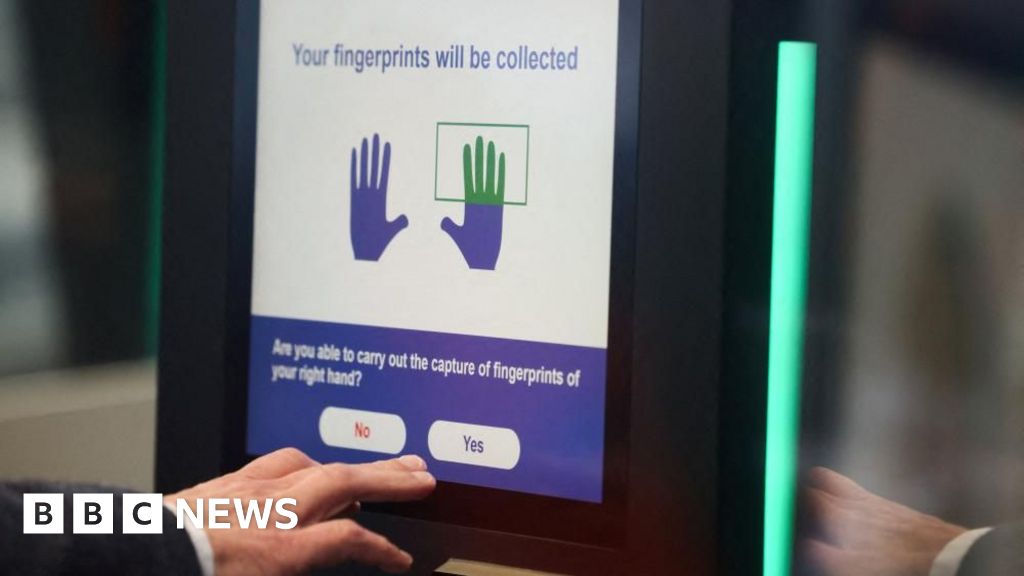
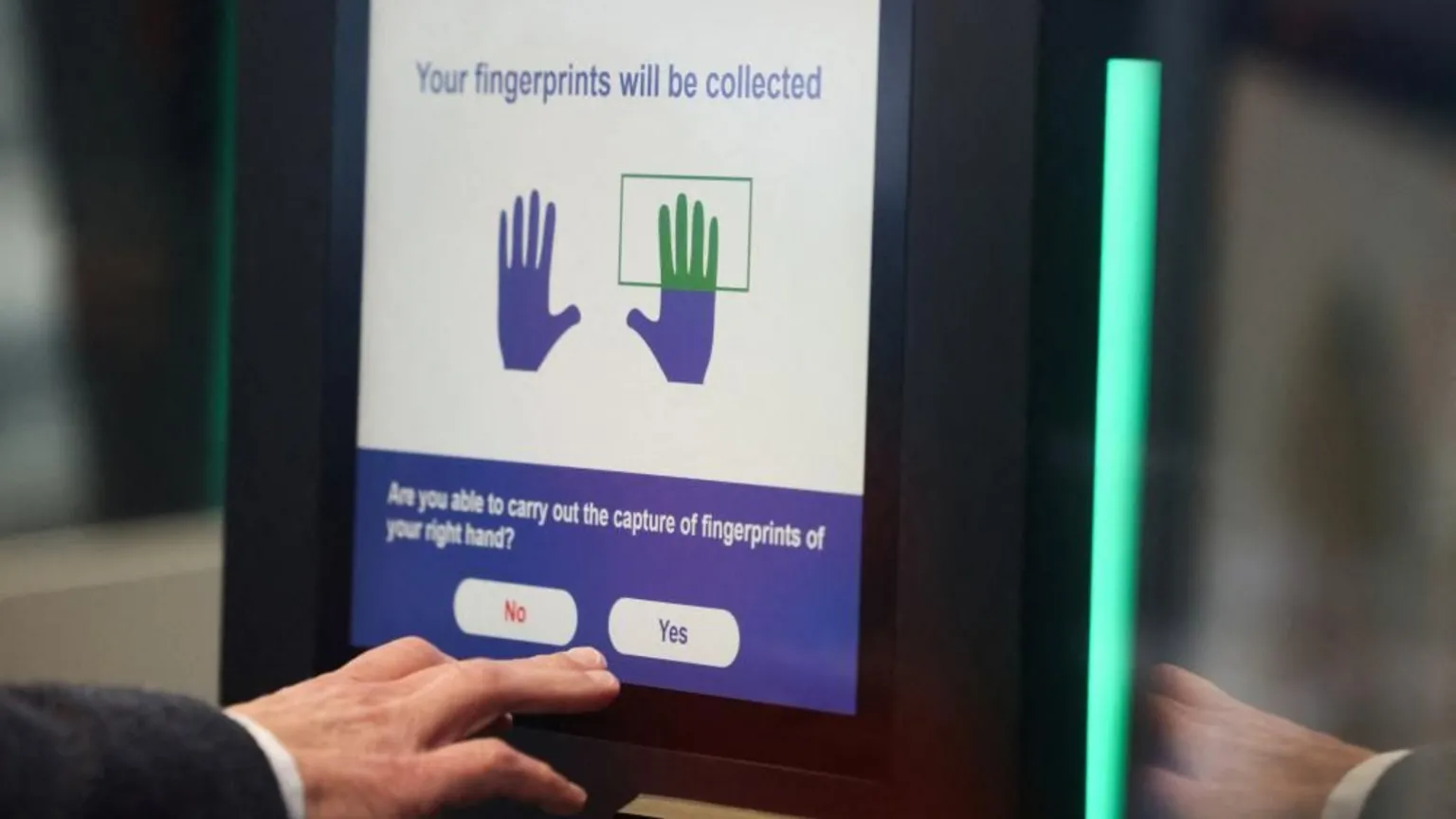
In April, the European Union fully implemented its Entry-Exit System (EES), a digital border control procedure designed to enhance security across the Schengen free travel zone. The system mandates that short-term visitors from outside the EU and European Economic Area (EEA) register biometric data—specifically fingerprints and facial scans—each time they cross an external EU border.
Under the EES, upon a visitor’s first entry, both fingerprints and a facial scan are captured. For subsequent entries or exits, only one biometric check is required at the border. This measure aims to improve tracking of non-EU travelers’ movements and reduce irregular stays.
While the EES has streamlined border security in some EU countries, its rollout has been problematic in others. Several airports and crossing points have experienced significant issues, including long queues of up to three hours, frustrating travelers and raising concerns for tourism-dependent economies.
Why Greece’s Approach Matters for British and International Tourists
Greece’s commitment to efficient border processing amid these new EU regulations offers a competitive advantage, especially for British tourists who make up a substantial portion of the country’s visitors. With millions of UK travelers drawn each year by Greece’s historic sites, islands, and Mediterranean climate, smooth entry procedures are crucial to maintaining tourism flows and boosting economic recovery following the pandemic.
Furthermore, Greece’s policy signals its intent to balance security obligations with hospitality. By exempting British visitors from biometric checks during the summer, the government aims to avoid placing unnecessary burdens on travelers and reduce stress during busy travel periods.
This strategy could also set a precedent for other EU countries to follow, encouraging border authorities across the region to optimize EES implementation without sacrificing traveler convenience.

Looking Ahead: What This Means for Summer Travel
British tourists planning their holidays to Greece this summer can travel with confidence, knowing that border delays will be minimal or nonexistent. Greece’s proactive stance provides reassurance amid broader concerns about EU border processing challenges.
For travelers, this means more time to enjoy Greece’s renowned beaches, archaeological treasures, and vibrant culture, rather than spending hours in airport queues. For the Greek tourism sector, it supports sustained visitor numbers and economic benefits during a critical season.
As the EU continues to refine its border security systems, Greece’s example highlights the importance of efficient procedures that protect borders without compromising the travel experience.
In summary, Greece’s promise of no biometric delays for British visitors this summer offers a welcome boost to tourism, ensuring that holidaymakers can focus on relaxation and exploration rather than border hassles.