

The Independent Office for Police Conduct (IOPC) has confirmed that the police marksman who fatally shot Chris Kaba will not face any disciplinary proceedings. This decision marks a significant development in the high-profile case that has drawn widespread public attention and sparked debates about police accountability and use of force.
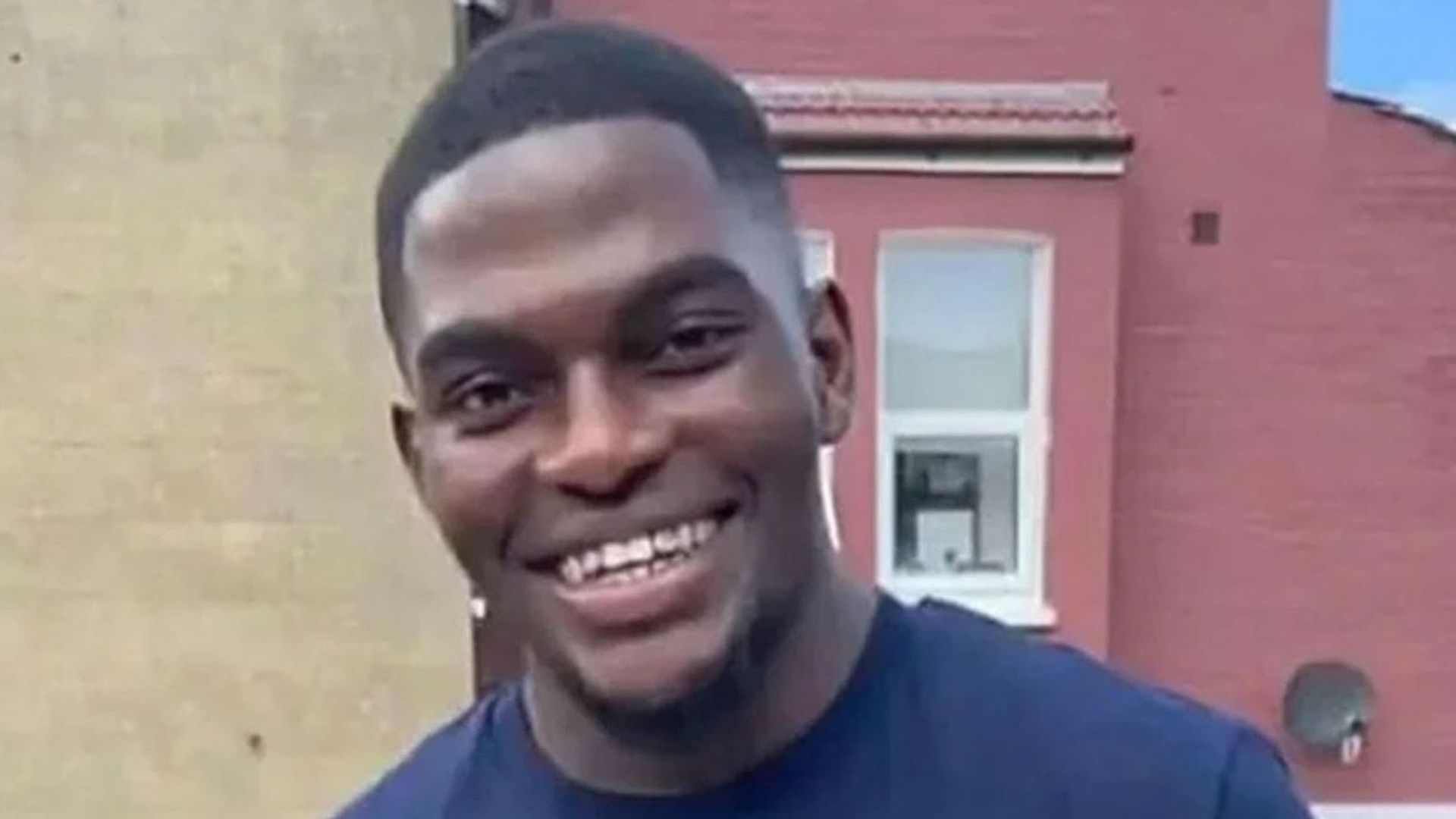
Background: The Fatal Shooting of Chris Kaba
Chris Kaba, a Black British man, was shot and killed by a police marksman during a vehicle pursuit. The incident occurred amid heightened scrutiny of police tactics and the deployment of armed officers in routine operations. Kaba was reportedly driving a vehicle linked to a firearm investigation when officers initiated the stop. The confrontation escalated rapidly, culminating in the police marksman discharging his weapon.
The shooting instantly reignited conversations about the use of lethal force, especially in encounters involving minority communities. Human rights groups, activists, and members of the public have called for transparency and accountability throughout the investigation process.
IOPC’s Decision and Its Implications
The IOPC, tasked with independently overseeing police conduct, conducted a thorough review of the circumstances surrounding the shooting. After careful examination of the evidence and relevant policies, the office concluded that the marksman’s actions did not warrant disciplinary proceedings. This means the officer will not face internal sanctions or charges related to professional misconduct.
While the IOPC’s role primarily focuses on police discipline rather than criminal liability, this decision is closely watched for its broader implications. The absence of disciplinary action does not necessarily preclude criminal investigations or other legal processes that may be underway or initiated by separate authorities.
Police use-of-force policies typically allow armed officers to employ lethal force when they reasonably believe it is necessary to protect life or prevent serious harm. The IOPC’s conclusion suggests that the marksman’s conduct was consistent with these guidelines. However, critics argue that such decisions require greater public explanation to maintain trust in law enforcement agencies.
Why This Matters: Public Trust and Police Accountability
The decision not to pursue disciplinary action against the officer involved in Chris Kaba’s shooting touches on wider issues of police accountability and community relations. In recent years, incidents involving armed officers have intensified calls for reform in how police forces engage with minority populations and manage potentially volatile situations.
Families of victims, advocacy groups, and some politicians have expressed frustration over what they see as insufficient consequences for officers in fatal shootings. They argue that transparent processes and accountability are essential for healing and preventing future tragedies.
Conversely, supporters of the police emphasize the challenging environment officers face, especially when responding to incidents involving suspected weapons. They stress the importance of allowing officers to make split-second decisions without fear of undue reprisal, provided their actions comply with legal and ethical standards.
What Comes Next?
Although the IOPC has ruled out disciplinary measures, the legal saga surrounding Chris Kaba’s death may continue through criminal investigations or inquests. These proceedings will further examine the circumstances of the shooting and determine whether criminal charges are appropriate.
Meanwhile, the case remains a focal point in ongoing discussions about the role of armed police in the UK and the need for reforms to build stronger community trust. It underscores the delicate balance between ensuring public safety and upholding civil liberties.
As authorities proceed, the public and stakeholders will be closely monitoring developments, seeking clarity and justice in a case that has profoundly impacted many lives.
Takeaway: Navigating Justice and Accountability in Police Shootings
The IOPC’s decision not to discipline the officer who shot Chris Kaba highlights the complexities involved in policing, especially when lethal force is applied. While the ruling aligns with current policies on the use of force, it raises critical questions about transparency, accountability, and community trust.
Chris Kaba’s death remains a poignant reminder of the urgent need for ongoing dialogue and reform in law enforcement practices. As the case advances through legal channels, it will continue to influence national conversations on police conduct, minority rights, and the pursuit of justice.