The desperate search for two crew members lost at sea after their French-registered fishing vessel sank in the treacherous waters of the English Channel has officially concluded with no sign of survivors or wreckage. This tragic maritime incident highlights the perilous nature of fishing in one of the world’s busiest and most challenging waterways.
Disappearance of Crew and Vessel in the English Channel
The fishing boat, operating under a French flag, went down in the English Channel, a narrow stretch of water separating Southern England from northern France. Known for its heavy maritime traffic and unpredictable weather, the Channel is a critical but hazardous route for commercial and fishing vessels alike.
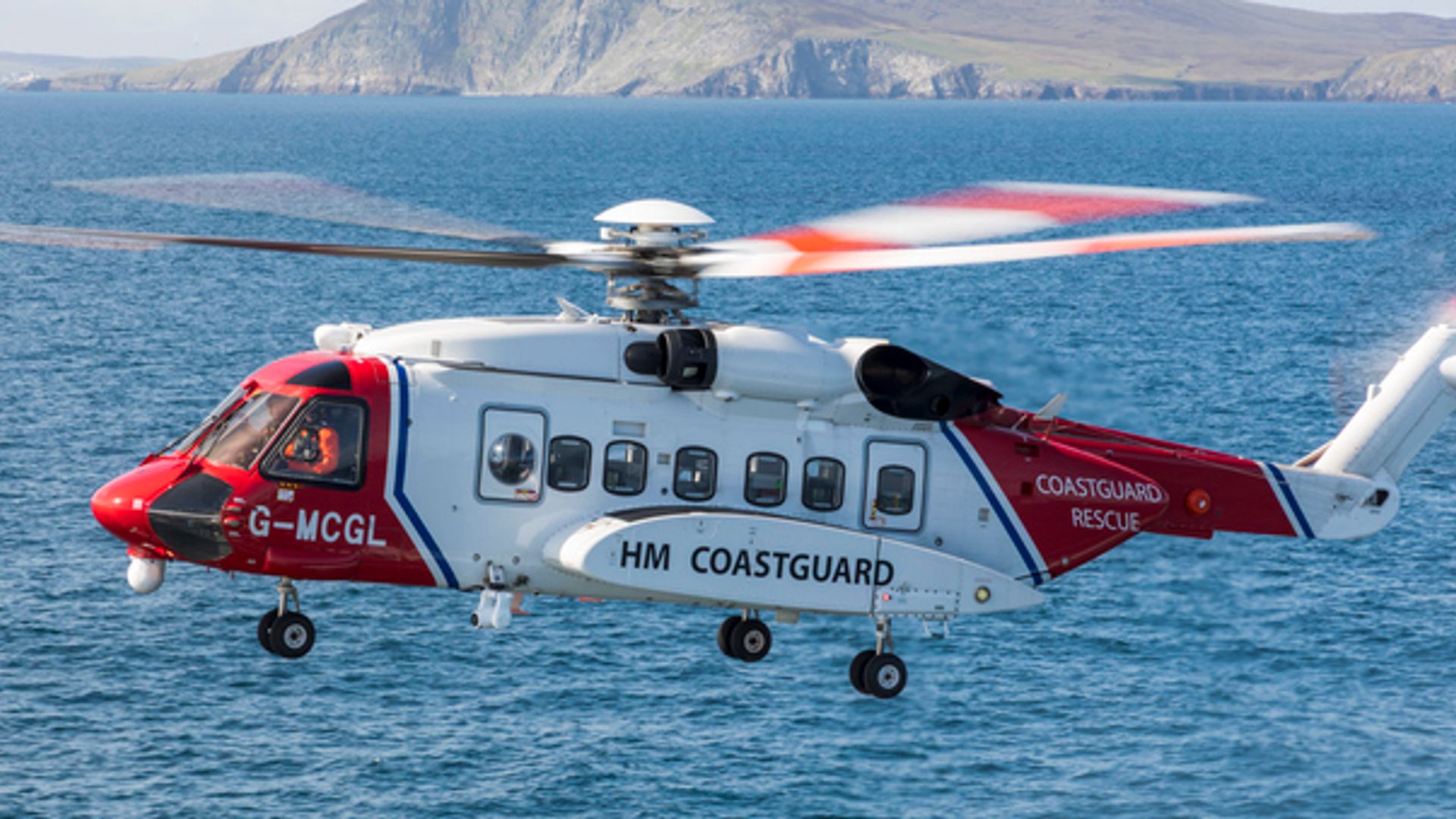
After the vessel’s sinking, authorities launched an extensive search operation targeting the two crew members who remained unaccounted for. Despite coordinated efforts involving multiple agencies employing ships, helicopters, and radar technology, no trace of the missing fishermen or the boat’s debris was found. The search was ultimately called off after exhaustive attempts yielded no leads.
Challenges of Search and Rescue in the Channel
The English Channel presents unique challenges for search and rescue operations. Its strong currents, shifting tides, and busy shipping lanes complicate efforts to locate missing persons or sunken vessels. Even with modern technology and experienced teams, the vastness and dynamics of the sea make such missions daunting.
In this case, the swift sinking of the fishing boat limited the time window for rescue. The absence of any distress signals or eyewitness accounts further hindered the operation. Weather conditions during and after the incident may have dispersed debris and survivors, reducing the chances of detection.
Why This Incident Matters: Risks Facing Fishermen in Busy Waters
This tragedy underscores the inherent dangers faced by small fishing vessels operating in congested and volatile maritime zones. Fishermen often brave unpredictable weather, mechanical failures, and navigational hazards while competing with commercial shipping traffic.
Fishing remains one of the most hazardous occupations worldwide, with high rates of accidents and fatalities. Incidents like this highlight the critical need for enhanced safety measures, improved vessel standards, and robust emergency response protocols—especially in high-risk areas like the English Channel.
Moreover, the loss of two crew members reverberates beyond the immediate families and communities, affecting the broader fishing industry that relies on skilled labor and resilient operations. It also brings attention to the importance of international cooperation in maritime safety and search and rescue coordination across borders.
Looking Ahead: Lessons and Safety Imperatives
While the search for the missing fishermen has ended, the incident serves as a somber reminder of the sea’s unforgiving nature. Authorities and industry stakeholders must continue investing in safety training, emergency preparedness, and technological advancements to better protect crews navigating challenging waters.
Improving communication systems aboard fishing vessels, enforcing stricter maintenance standards, and fostering real-time monitoring can enhance early warning and rescue capabilities. Additionally, fostering collaboration between neighboring countries bordering the Channel is essential to respond swiftly and effectively to maritime emergencies.
Ultimately, the hope is that through learning from such tragedies, the fishing community can reduce risks and safeguard lives, preserving both livelihoods and the rich maritime heritage tied to these vital waters.
Full details of the incident and investigation have not yet been released.