Marie and Dan’s world shattered when their daughter’s childhood ended abruptly at just 12 years old. They believed she was chatting with a 14-year-old boy from London online, only to discover she was targeted by a predator who coerced her into sending explicit images.

The Devastating Impact of Online Grooming
“Her innocence was taken away,” Dan says, describing the trauma their daughter endured. The predator manipulated their child by posing as a peer, gaining her trust before pressuring her into sharing nude photographs. The emotional toll on the family remains profound.
Marie recalls the relentless fear their daughter faced after the offender threatened to harm their family if she didn’t comply. “She was really fearful we were going to be hurt,” Marie explains. The predator’s threats escalated, at one point warning of suicide if the girl stopped sending images.

Dan adds, “Once that threat abated slightly, it was then, ‘well, I’m going to commit suicide if you don’t keep providing me with images’.” This manipulation trapped their daughter in a cycle of intimidation and control, robbing her of normal childhood experiences and safety.
A Groundbreaking Global Study Reveals How Predators Exploit the Internet
Experts warn that the full extent of how offenders use online platforms to exploit children remains significantly under-researched. To address this, an unprecedented global report was conducted, surveying over 20,000 offenders anonymously about their behaviors and patterns.
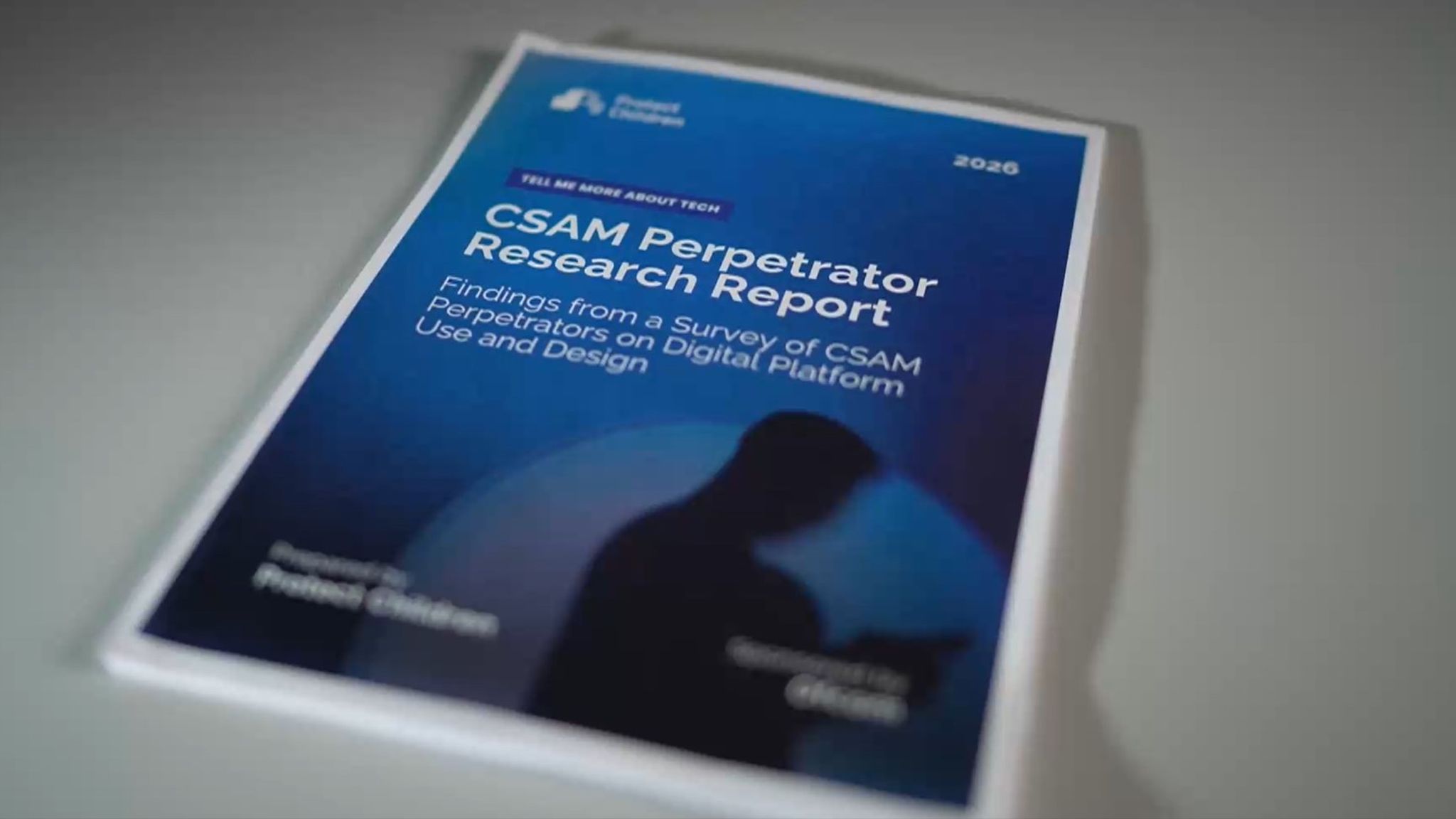
Commissioned by Protect Children and funded by Ofcom, the survey targeted individuals who used specific keywords to search for child sexual abuse material (CSAM) on the dark web. Participants responded voluntarily in multiple languages, providing rare insight into offender motivations and access points.
The findings are alarming: 59% of offenders first encountered CSAM when they were children themselves, with 13% exposed before age 10. About 24% stumbled upon such material accidentally, without actively searching for it.
Offenders described access to illegal content as alarmingly easy. One stated, “It used to be nearly impossible, now it’s two clicks away, well, maybe three.” Others noted that while some sites are taken down, “new sites pop up really fast,” and harmful content is “almost everywhere” on the normal web.
Details of Offenders’ Viewing Habits
The report breaks down the age groups featured in the material offenders viewed: 10% admitted to content involving infants and toddlers under age three; 29% viewed children aged four to 10; half reported material featuring 11 to 14-year-olds; and 51% viewed content including teenagers aged 15 to 17.
Nearly a third (29%) confessed to viewing violent sexual activity involving children, while almost a quarter (24%) admitted to content involving children and animals. These disturbing statistics underscore the severity and diversity of online child exploitation.
Participants were directed to prevention resources, and over 2,200 clicked through to a specialized “ReDirection” program designed to intervene and reduce offending behaviors.
Why This Matters: Calls for Stronger Government Action
Marie and Dan, who requested anonymity to protect their daughter, demand tougher measures against companies that enable such abuse. “If they can fine a water company £20m… they should be doing £100m to a company that can permanently damage a child’s welfare,” they say, highlighting the urgent need for accountability in digital spaces.

Government officials are responding. Jess Phillips, Minister for Safeguarding and Violence Against Women and Girls, confirmed that swift action is underway to combat online sexual abuse. New laws will impose harsh prison sentences on those who produce, possess, or distribute tools and content facilitating child sexual abuse, as well as platforms that enable such material.
Almudena Lara, Ofcom’s Online Safety Policy Development Director, emphasized the importance of understanding offenders’ motivations and technological exploitation methods. “This research will help inform and strengthen the global effort to protect children online,” she said.
Looking Ahead: Protecting Children in a Digital World
The harrowing experience of Marie and Dan’s daughter underscores the urgent necessity for enhanced online safety measures, improved public awareness, and stronger legal frameworks. As technology evolves, so do the tactics of predators exploiting it.
Comprehensive research like the Protect Children report provides critical data that policymakers and law enforcement can use to disrupt online abuse networks. Meanwhile, families must remain vigilant and educate children about the risks of online interactions.
Ultimately, safeguarding children from digital exploitation requires a coordinated global response—combining technology, education, and stringent legal enforcement to ensure no child suffers the trauma that Marie and Dan’s daughter endured.