

Oprah Winfrey, one of the most influential and wealthy media figures globally, recently encountered a disturbing episode of racial discrimination during a shopping trip in Switzerland. While visiting Zurich to attend the wedding of music legend Tina Turner, Winfrey decided to indulge in some personal shopping. However, what should have been a routine luxury retail experience turned into a painful reminder that racism still persists, even against those with immense fame and fortune.
What Happened During Oprah’s Shopping Experience in Zurich
Oprah entered a high-end boutique in Zurich and requested to see a handbag displayed prominently behind a security barrier. The bag, priced at an extravagant £24,477, was an exclusive luxury item. To her surprise, the shop assistant refused to show it to her, bluntly stating that it was “too expensive” for Winfrey. Despite Winfrey’s polite insistence, the assistant repeatedly denied her request, instead suggesting less costly alternatives.
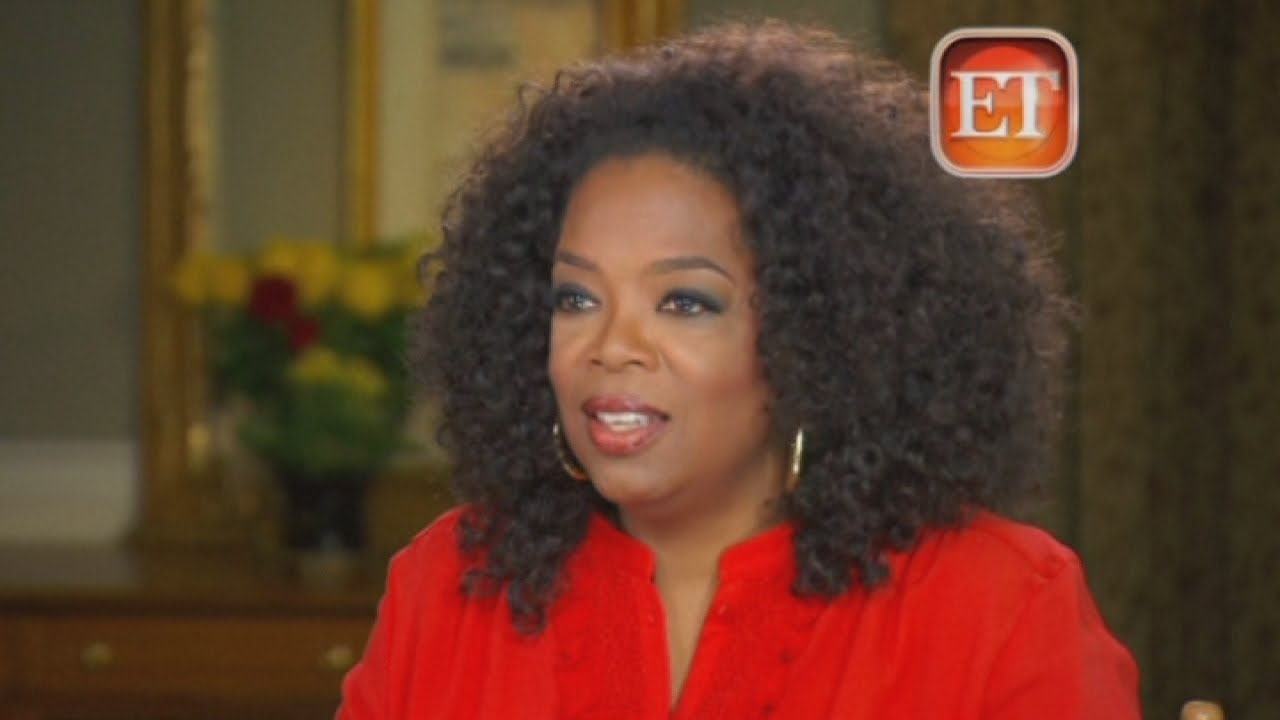
Winfrey later recounted the encounter on Entertainment Tonight, describing her attire and demeanor to emphasize that she was presenting herself with confidence and style. She wore a Donna Karan skirt and sandals, but she suggested that her international fame might not have preceded her in Zurich, noting that The Oprah Winfrey Show was not broadcast there.
When Winfrey pressed the assistant a third time to see the expensive handbag, the saleswoman remarked, “Oh I don’t want to hurt your feelings.” At this point, Winfrey responded with a calm, yet pointed, acknowledgment: “Ok, thank you so much, you’re probably right, I can’t afford it.” She then left the store without confrontation, choosing dignity over drama. Winfrey, who is the only African-American billionaire in the world, recognized the incident as a form of racism, stating plainly, “Clearly this is… you know… it (racism) still exists, of course it does.”

Response From the Boutique Owner and Cultural Context
The boutique owner, Trudie Goetz, publicly apologized for the incident but attributed the misunderstanding to a language barrier. Ms. Goetz explained that the shop assistant’s mother tongue is Italian and that the assistant became nervous because it was unusual for someone to consider purchasing such an expensive handbag. She suggested that the assistant’s intention was not to discriminate but rather to guide Oprah toward more affordable options.
Ms. Goetz expressed bewilderment over the intensity of the public reaction, stating, “I don’t know why so much trouble has been caused.” She also mentioned that she hoped to contact Oprah to apologize personally, adding humorously that she would try to get Oprah’s number through Tina Turner, whom both women had attended the wedding of.
This explanation highlights a complex dynamic often present in international luxury retail settings. High-value boutiques frequently exercise caution when dealing with clients regarding ultra-expensive merchandise, but in this case, the defensive behavior veered into discriminatory territory. The assumption that a person, regardless of their obvious status, could not afford a luxury item based purely on their appearance or ethnicity reveals underlying prejudices.
Why This Incident Matters: Racism in Everyday Life and Elite Spaces
Oprah Winfrey’s experience in Zurich serves as a stark illustration that racism remains embedded even in modern, globalized, and affluent environments. Despite her stature as an iconic African-American billionaire and successful media mogul, she still confronts biases that question her worthiness or ability to participate in elite consumer culture.
On a broader scale, Winfrey has spoken candidly about the subtle and overt forms of racism she encounters throughout her career. In interviews, she has described how racism often manifests not through explicit slurs, but through invisible barriers in professional settings, where she might be the only African-American and woman in the room. The energy of exclusion, the doubt cast on her capability, and the intersection of sexism and racism create profound challenges even for someone at the pinnacle of success.
Winfrey’s recent recognition with the Presidential Medal of Freedom, the highest civilian honor in the United States awarded by President Barack Obama, underscores her remarkable achievements. Yet, this incident in Switzerland reminds us that racial prejudice can persist regardless of accolades or accomplishments.
Looking Ahead: The Continuous Fight Against Subtle Racism
This episode is a call to reflect on how racism operates in everyday interactions and commercial spaces, often masked by polite denials or explained away as cultural misunderstandings. It also demonstrates the importance of confronting such incidents openly, as Winfrey did, with grace and clarity.
For luxury retailers and global brands, the incident underscores the necessity of cultural competence and anti-discrimination training for employees. Recognizing that customers come from diverse backgrounds and should receive equal respect is fundamental to fostering inclusive environments.
Ultimately, Oprah Winfrey’s experience in Zurich is more than a personal affront; it is a reminder that racial biases continue to shape interactions worldwide, even in unexpected places. It challenges society to do better, to recognize and dismantle these barriers, so that dignity and equality are truly universal.