The Northern Ireland secretary faces a complex challenge as efforts to resolve the ongoing dispute between loyalist marchers and republican protesters over an Orange Order parade appear stalled. The search for a breakthrough solution remains elusive, described as “tantalisingly a bit far away,” highlighting the deep-rooted tensions and political sensitivities surrounding this annual event.
The Orange Order Parade Dispute: What’s Happened So Far?
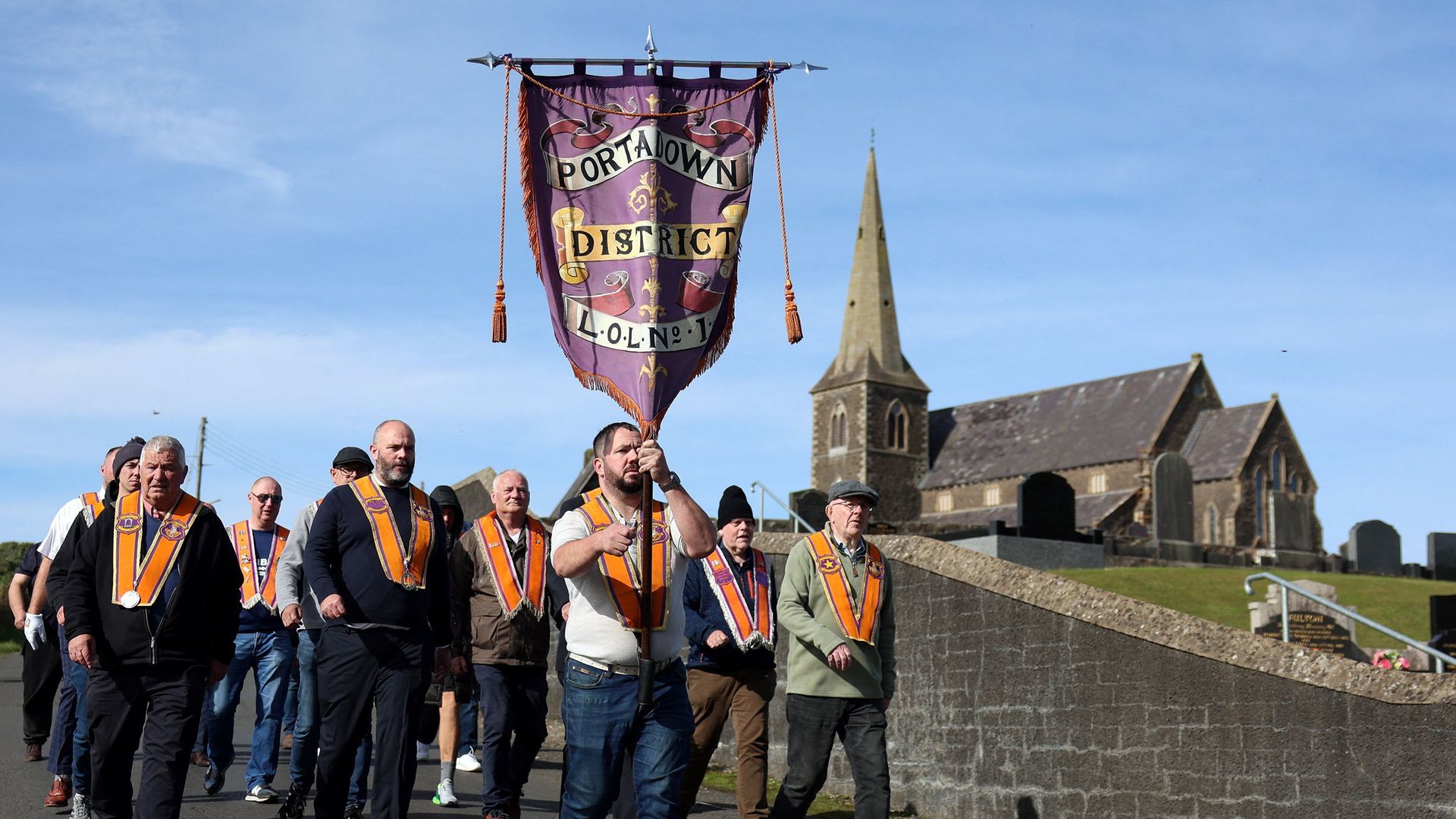
The Orange Order parade is a long-standing tradition in Northern Ireland, commemorating the 17th-century victory of Protestant King William of Orange. However, these parades frequently ignite tensions between the predominantly Protestant loyalist communities who organize and participate in the marches, and the largely Catholic republican communities who often view them as provocative.
This year’s dispute centers on planned routes for the parade, with republican protesters opposing marches through certain nationalist neighborhoods. Such disputes have historically led to protests, roadblocks, and even violence, underscoring the parade’s symbolic weight in Northern Ireland’s sectarian divide.
The Northern Ireland secretary has been actively involved in negotiating a compromise that respects the cultural traditions of the Orange Order while addressing republican community concerns. Despite intensive talks, no immediate agreement has been reached, leaving the situation fraught with uncertainty.
Why Finding a Solution Matters
Resolving the parade dispute holds critical importance for Northern Ireland’s fragile peace process, established after decades of conflict known as The Troubles. Parades and protests often act as flashpoints for wider unrest, threatening to destabilize communities and reignite tensions.
A peaceful resolution would not only prevent potential violence but also send a strong message about the effectiveness of dialogue and compromise in a region still healing from sectarian conflict. The Northern Ireland secretary’s role in mediating this dispute is pivotal in maintaining political stability and fostering mutual respect among divided communities.
Moreover, the parade dispute is emblematic of broader challenges facing Northern Ireland. It reflects ongoing struggles over identity, historical narratives, and the balance between cultural expression and community rights. Successfully navigating these issues is essential for lasting reconciliation.
What Comes Next: The Path Forward
While the solution remains “tantalisingly a bit far away,” efforts to bridge the gap continue behind the scenes. The Northern Ireland secretary and other stakeholders are likely exploring alternative routes, timing adjustments, or community engagement initiatives aimed at reducing friction.
Community leaders from both loyalist and republican backgrounds also play a crucial role in steering their groups toward compromise. Building trust and fostering open communication channels are vital steps to avoid escalation during parade season.
Authorities are preparing contingency plans to manage potential disruptions, ensuring public safety remains paramount. However, these are stopgap measures rather than long-term fixes.
Why This Dispute Highlights Northern Ireland’s Complex Social Fabric
The Orange Order parade dispute underscores the ongoing challenges Northern Ireland faces in balancing cultural heritage with social cohesion. It reveals how historical grievances continue to influence present-day politics and community relations.
Understanding this issue requires appreciation of Northern Ireland’s unique history. The Troubles, a violent conflict lasting from the late 1960s to 1998, left deep scars between Protestant unionists loyal to the UK and Catholic nationalists seeking Irish unification. Though the Good Friday Agreement brought relative peace, underlying divisions persist.
Parades are more than cultural events; they are deeply symbolic acts that evoke identity, memory, and political allegiance. Managing these expressions in a way that respects all communities is essential for building a shared future.
Closing Takeaway: The Road to Reconciliation Remains Challenging
The ongoing stalemate over the Orange Order parade highlights the delicate balance required to maintain peace and respect in Northern Ireland’s divided society. While a resolution remains just out of reach, continued dialogue and goodwill offer hope for a peaceful outcome.
Ultimately, the parade dispute serves as a reminder that Northern Ireland’s path to reconciliation demands patience, understanding, and persistent effort from all sides. The Northern Ireland secretary’s pursuit of a solution “through the mist” reflects the complexity but also the necessity of finding common ground in a region shaped by history and hope alike.