

When Darren White received a lung transplant, an unexpected ally in his recovery came in the form of a small skin patch from his organ donor. This pioneering approach helped him detect his body’s rejection of the new lung much earlier than traditional methods would allow, enabling swift medical intervention that likely saved his transplant.
How the Donor Skin Patch Works as an Early Warning System
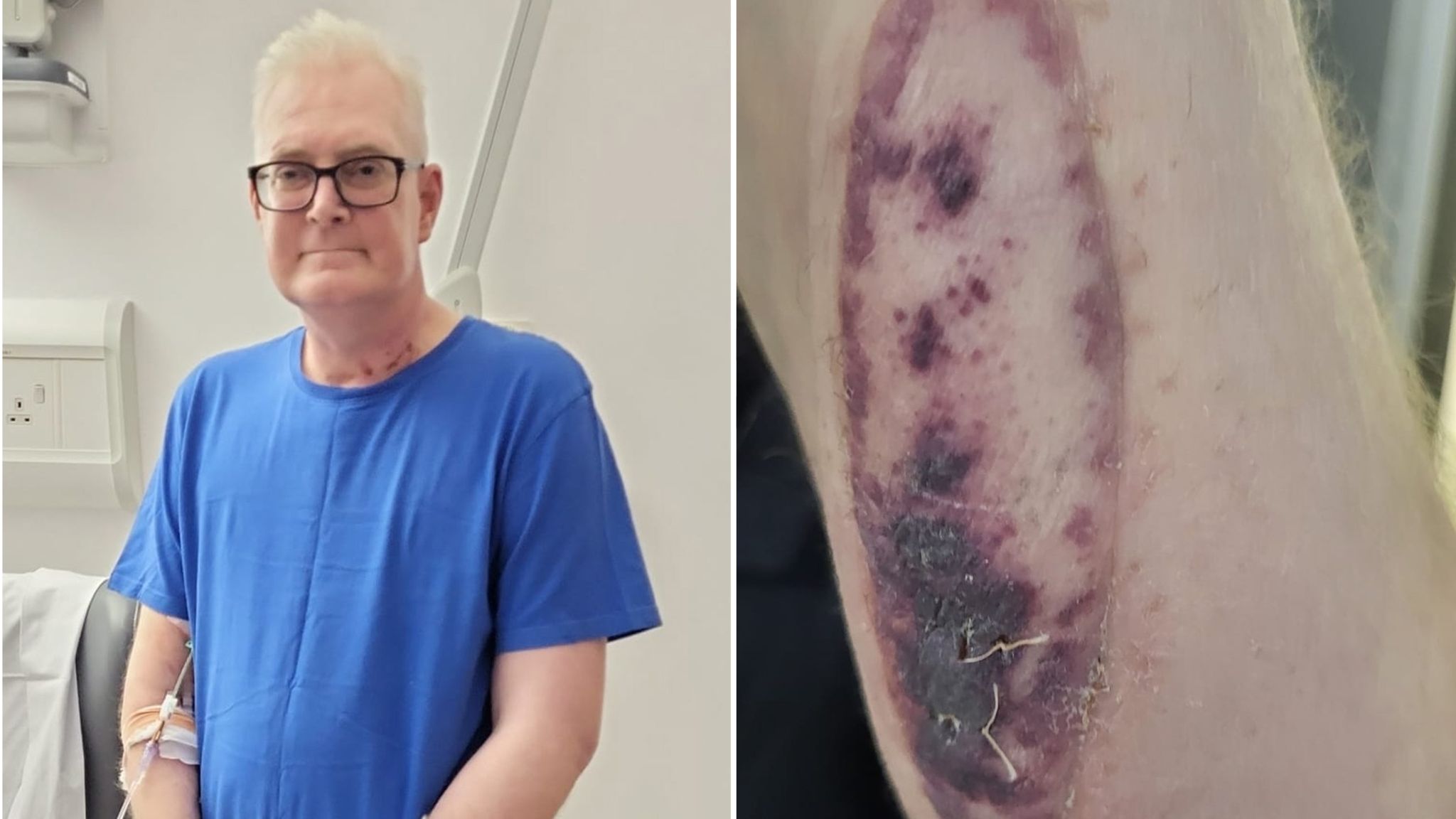
Mr. White, 53, was among the first recipients to participate in the groundbreaking Sentinel trial, which grafts a small piece of donor skin onto the patient’s forearm during their lung transplant surgery. This 10cm by 3cm patch acts as a visible “window” into the patient’s immune response, providing doctors with a more immediate and accessible way to monitor for signs of organ rejection.
Unlike internal organs, the skin reacts to immune rejection visibly and much earlier. A rash or inflammation on the donor skin patch can alert medical teams before the transplanted organ shows damage on blood tests, biopsies, or imaging scans. This early detection is critical, as rejection often occurs within the first three to six months post-transplant and affects nearly one-third of lung recipients.
“It seems logical that having a window to your transplant can provide an early warning system of rejection or reassure you that you don’t have rejection, but we have to prove it works,” said Henk Giele, the chief investigator of the Sentinel trial and a plastic surgeon based in Oxford. The trial aims to recruit 152 patients and will continue until 2027, with donor family consent required for the skin graft.
Darren White’s Journey: From Diagnosis to Recovery
Mr. White’s story began in 2024 when he was diagnosed with lung fibrosis, a severe condition that scars lung tissue and severely impairs breathing. Later that year, he received a lung transplant at a hospital in the UK and simultaneously agreed to take part in the Sentinel trial.
“Rejection is the biggest fear of any transplant recipient, so having something that might be able to catch it much sooner than otherwise was really appealing,” Mr. White said. His decision to participate reflected a desire to explore every possible advantage in protecting his new lung.
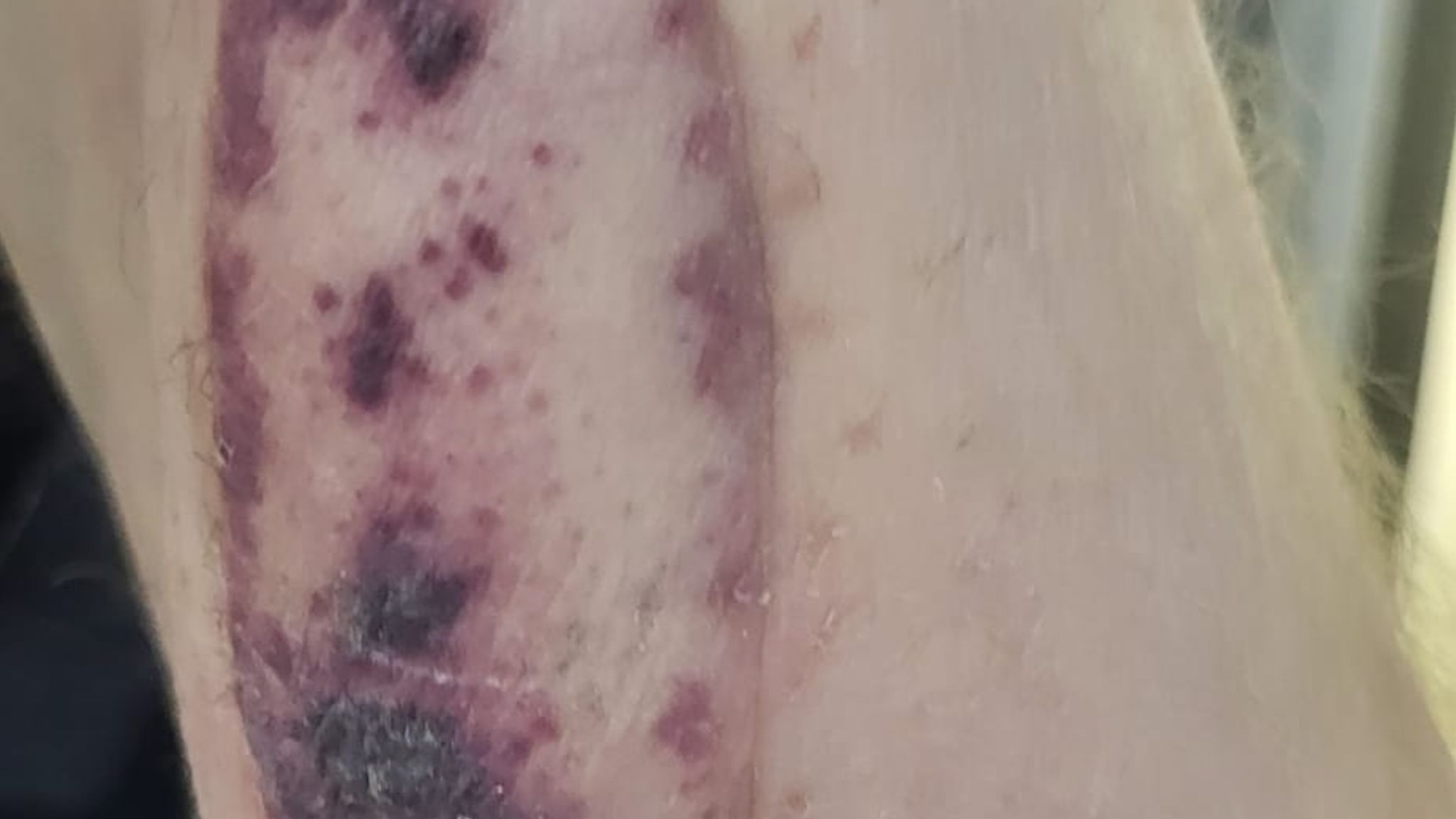
Only three months after his operation, Mr. White noticed a purple rash developing on the donor skin patch grafted to his forearm. Although he felt physically well, he immediately contacted his medical team and shared photos of the rash. A biopsy confirmed mild rejection, and doctors promptly administered steroids to counteract the immune response.
“I definitely believe the skin patch helped to stop the lungs from being rejected,” Mr. White explained. “I was feeling fine; there was no reason for me to think that the lungs were being rejected. The only sign was the rash.”
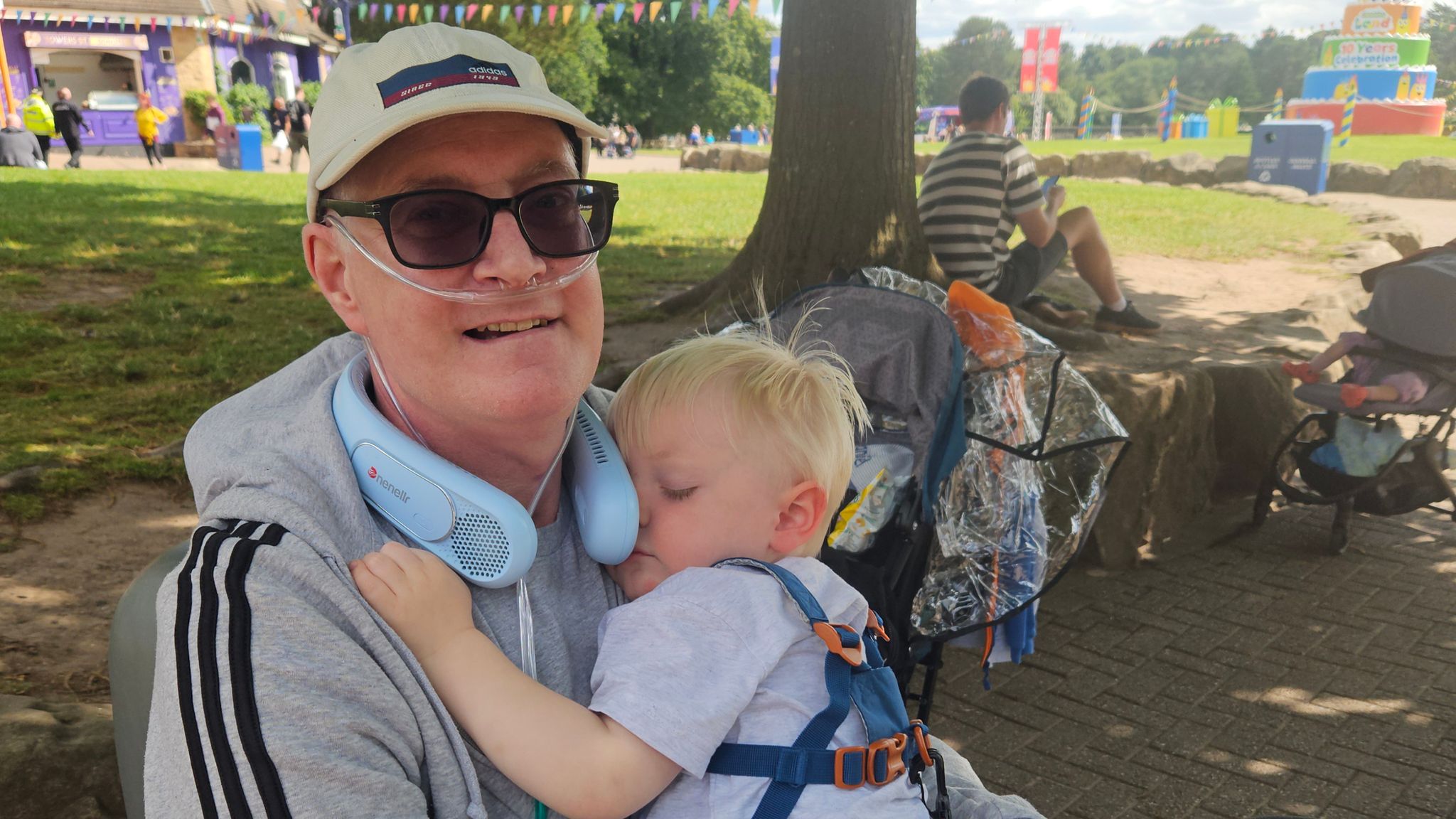
Now, over a year post-transplant, Mr. White is thriving. He can walk comfortably and enjoy time with his toddler son, Daniel. “I can be more of a dad now,” he said, highlighting how the early intervention enabled by the skin patch gave him a new lease on life.
Why This Breakthrough Matters for Transplant Patients
Lung transplantation remains one of the most complex and risky organ transplants due to the high likelihood of rejection and the difficulty in monitoring it effectively. Conventional detection methods—such as blood tests, biopsies, and X-rays—often identify rejection only after the organ has sustained damage.
The Sentinel trial’s donor skin patch represents a transformative leap forward in transplant care. By harnessing the skin’s rapid immune response, doctors can now detect rejection visually and intervene sooner, reducing the risk of permanent organ damage and improving patient outcomes.
Beyond lungs, this approach has potential applications in other organ transplants, offering hope for more personalized and proactive post-transplant care worldwide.
Looking Ahead: The Future of Transplant Monitoring
As the Sentinel trial progresses, researchers remain cautiously optimistic. The success seen in patients like Darren White strengthens the case for integrating donor skin patches into standard transplant procedures, pending further validation of the technique’s reliability and safety.
“We are so grateful to the patients, the donors and their families, the transplant teams, and the NHS Blood and Transplant staff who make this important trial happen,” emphasized Henk Giele. The collaboration between medical professionals, patients, and donor families is critical to advancing this innovative monitoring method.
For transplant recipients and their families, this breakthrough offers renewed hope that rejection can be caught early, treatment can be more effective, and lives can be saved.
In summary, the donor skin patch is proving to be a vital tool in the fight against organ rejection, transforming how doctors monitor lung transplants and enhancing patients’ quality of life. As research continues, it promises to redefine post-transplant care and improve outcomes for thousands of patients worldwide.