

The shocking case of a children’s home manager who subjected vulnerable boys and girls to nearly two decades of sexual abuse has ended in controversy after he walked free from court. The judge’s decision has ignited widespread anger and disbelief among the victims and their supporters, who expected justice to be fully served.
The Horrific Abuse and Long “Regime of Fear”
For 18 years, the manager of a children’s residential facility maintained a “regime of fear,” exploiting his position to abuse the very children he was meant to protect. Both boys and girls under his care suffered unspeakable violations, spanning a prolonged period that devastated countless young lives.
Children’s homes are designed as safe havens for those who have often endured trauma, neglect, or family breakdowns. The betrayal of trust in this case is profound, as the abuser abused his authority and responsibility to manipulate and harm those in his care. The long duration of abuse indicates a systemic failure to detect or intervene, raising critical questions about oversight and safeguarding measures within such institutions.
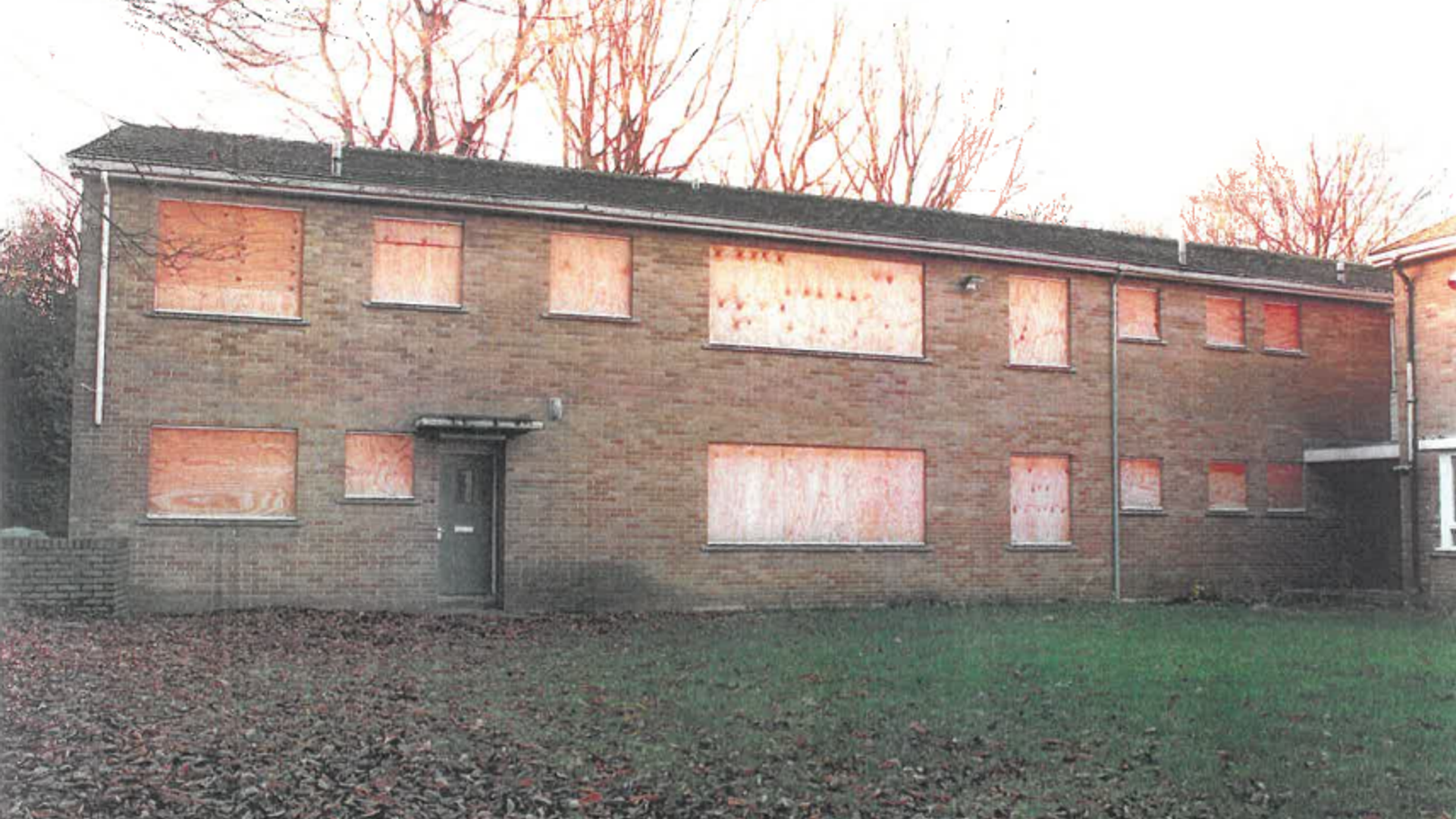
Judicial Decision Sparks Outrage Among Victims
Despite the gravity of the offenses and the emotional and physical damage inflicted, the convicted manager was allowed to walk free following sentencing. This startling outcome has left victims feeling betrayed by the legal system, which they believe has failed to hold the perpetrator adequately accountable.
Victims’ advocates and legal experts have voiced their frustration, emphasizing how this case highlights potential gaps in the justice system’s handling of abuse cases involving vulnerable populations. The absence of a custodial sentence sends a troubling message about the consequences of such crimes and undermines public confidence in protective laws.
Many who have come forward to share their stories have expressed the lasting trauma and sense of injustice they continue to experience. Survivors of abuse often face immense challenges in seeking validation and restitution, and this judicial outcome exacerbates the emotional scars.
Why This Case Matters and What It Reveals
This case underscores the critical importance of robust safeguarding policies in children’s residential facilities. Agencies responsible for monitoring these homes must ensure rigorous checks, prompt investigations, and swift action when abuse is suspected. The prolonged duration of abuse suggests systemic lapses that allowed the manager to operate with impunity.
Moreover, it highlights the need for the justice system to carefully balance legal technicalities with the moral imperative to protect the most vulnerable. Judicial discretion should not come at the expense of justice for survivors, whose voices must be amplified rather than silenced.
For policymakers, this case serves as a stark reminder to review and strengthen child protection frameworks. Training for staff, effective whistleblower protections, and independent oversight are essential to prevent such abuses from recurring.
Looking Ahead: The Path to Healing and Reform
The victims’ outrage is a powerful call for change—not only in this specific facility but across the entire child care sector. Healing for survivors depends on acknowledgment, justice, and meaningful reforms to prevent future abuse.
While the court’s decision may seem like a setback, it has galvanized public attention on the urgent need to safeguard children in care environments. Advocates continue to push for systemic reforms and greater accountability to ensure that no child ever endures a similar “regime of fear” again.
Ultimately, this case demands a collective commitment—from the legal system, care institutions, and society at large—to prioritize children’s safety and dignity above all else.