

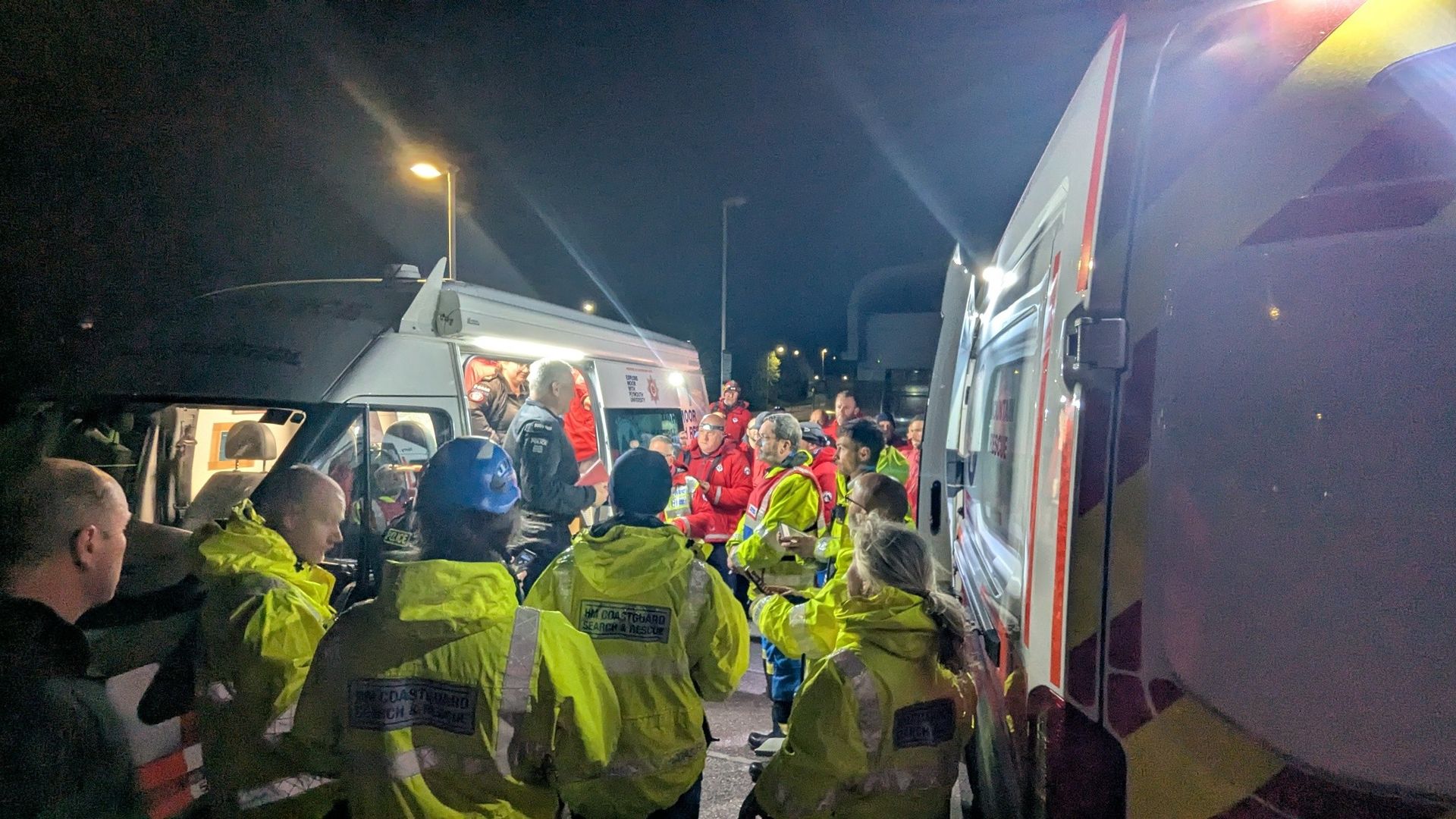
Plymouth has been thrust into a significant safety operation following the discovery of a suspected unexploded World War II bomb at a local construction site. This unsettling find has forced emergency responders to take swift and decisive action, resulting in the evacuation of over 1,000 homes to eliminate any risk to residents and workers in the vicinity. The incident underscores the enduring legacy of wartime remnants that continue to surface decades after the conflict ended.
Emergency Response Sparks Massive Evacuation Effort
Upon uncovering the suspected bomb, authorities immediately launched a coordinated emergency response involving bomb disposal units, police, and other emergency services. The presence of an unexploded ordnance (UXO) within a populated area necessitated the rapid establishment of an exclusion zone to safeguard the public.
Residents living within this designated perimeter were promptly instructed to evacuate their homes and seek temporary shelter elsewhere. The evacuation process was carefully managed to ensure a swift yet orderly departure, minimizing disruption while prioritizing safety. Bomb disposal experts then commenced a thorough assessment of the device to determine its condition and the safest method for neutralization.
Such high-stakes operations require meticulous planning and execution. Specialists in explosive ordnance disposal (EOD) employ advanced techniques and technology to evaluate the bomb’s stability, often working under intense pressure given the potential consequences of an accidental detonation. These experts bring decades of experience in handling remnants from World War II, a conflict that left behind countless hazardous devices scattered across many parts of the United Kingdom.
__IMAGE_PLACEHOLDER_1__
The Enduring Threat of World War II Unexploded Ordnance
The situation in Plymouth is not unique; many cities across the UK with historical military significance continue to face challenges related to unexploded bombs and munitions from the Second World War. Plymouth, with its strategic naval base and industrial importance during the war, was heavily bombed, leaving a legacy of buried ordnance that occasionally resurfaces during construction or excavation work.
Unexploded bombs pose a persistent danger due to their unpredictable nature and the corrosion that can make them more unstable over time. Despite the passing of more than 75 years since the end of the war, these devices remain a real and present hazard. Their discovery often halts development projects and necessitates extensive safety protocols, reflecting the ongoing impact of historical conflicts on modern urban environments.
Authorities have developed comprehensive procedures for dealing with these discoveries, emphasizing public safety above all else. These include immediate evacuation, detailed risk assessments, and controlled defusing or removal of the ordnance. The priority remains to neutralize the threat swiftly so that normal life can resume with minimal long-term disruption.
__IMAGE_PLACEHOLDER_2__
What This Means for Plymouth and Its Residents
The evacuation of over 1,000 homes in Plymouth highlights the significant logistical and emotional challenges posed by such emergencies. Residents face the inconvenience of leaving their homes on short notice, often uncertain about the duration of displacement and the safety of their property. Local authorities typically provide support services, including temporary accommodation and information updates, to assist evacuees during these stressful events.
For the broader community, the incident serves as a stark reminder of the city’s wartime past and the latent dangers that still lurk beneath the surface. It also emphasizes the importance of vigilance and preparedness in areas with rich military histories. Construction companies and developers are increasingly aware of the need for preliminary surveys and bomb risk assessments before commencing groundworks in such regions.
Once the bomb disposal experts successfully defuse or remove the device, residents will be able to return to their homes. However, the event reinforces the value of emergency preparedness and the dedication of the professionals who manage these complex and hazardous situations.
__IMAGE_PLACEHOLDER_3__
In conclusion, the discovery of a suspected WWII bomb in Plymouth has mobilized a rapid and comprehensive emergency response, demonstrating the lasting impact of historical conflicts on contemporary communities. While such finds disrupt daily life, they underscore the critical importance of safety protocols and expert intervention to protect residents. As Plymouth moves forward and residents return home, the episode will remain a powerful example of the city’s resilience and the ongoing vigilance required to manage the hidden dangers from its past.