

The perilous journey across the English Channel has seen more than 200,000 migrants arrive in the UK via small boats since official records began eight years ago. This significant milestone was reached on Friday, marking a new chapter in the ongoing challenge faced by British and French authorities.
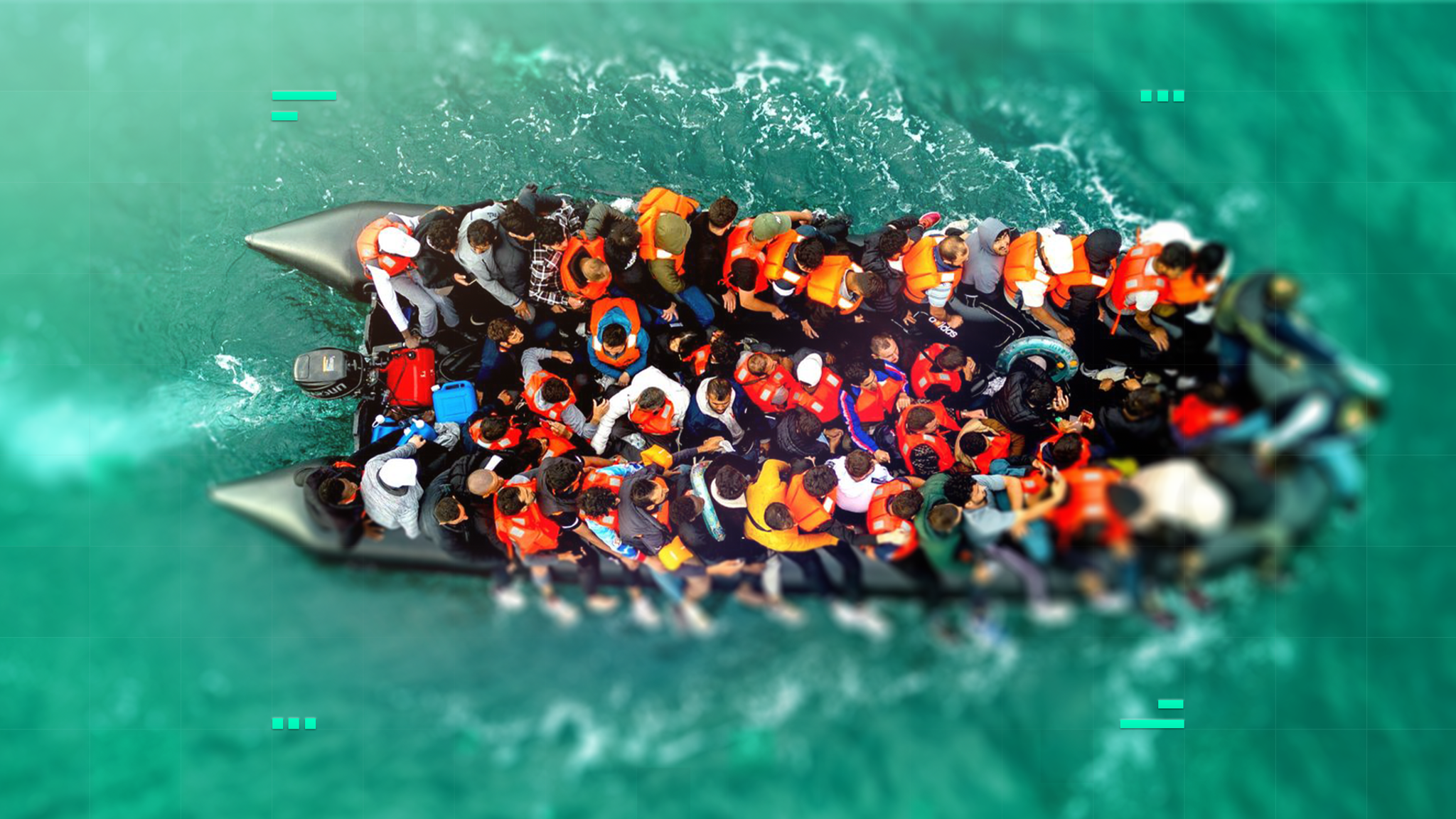
Tracking the Surge in Channel Crossings
The UK Home Office started systematically recording small boat arrivals in 2018, and data released on Saturday confirmed that the total number of people crossing the Channel has now surpassed 200,000, specifically reaching 200,013. On the milestone day alone, 70 individuals made the hazardous journey from France to the UK.
In 2025, around 41,000 migrants were detected crossing the Channel in small boats, representing a 13% increase compared to 2024. However, this figure remains below the record high of approximately 46,000 crossings recorded in 2022.
One notable trend is the steady rise in the average number of people per boat. In 2018, small boats carried an average of seven people, but by 2025, this number had soared to an average of 62 passengers per vessel. This increase underscores the growing desperation and risk many migrants are willing to take to reach the UK.
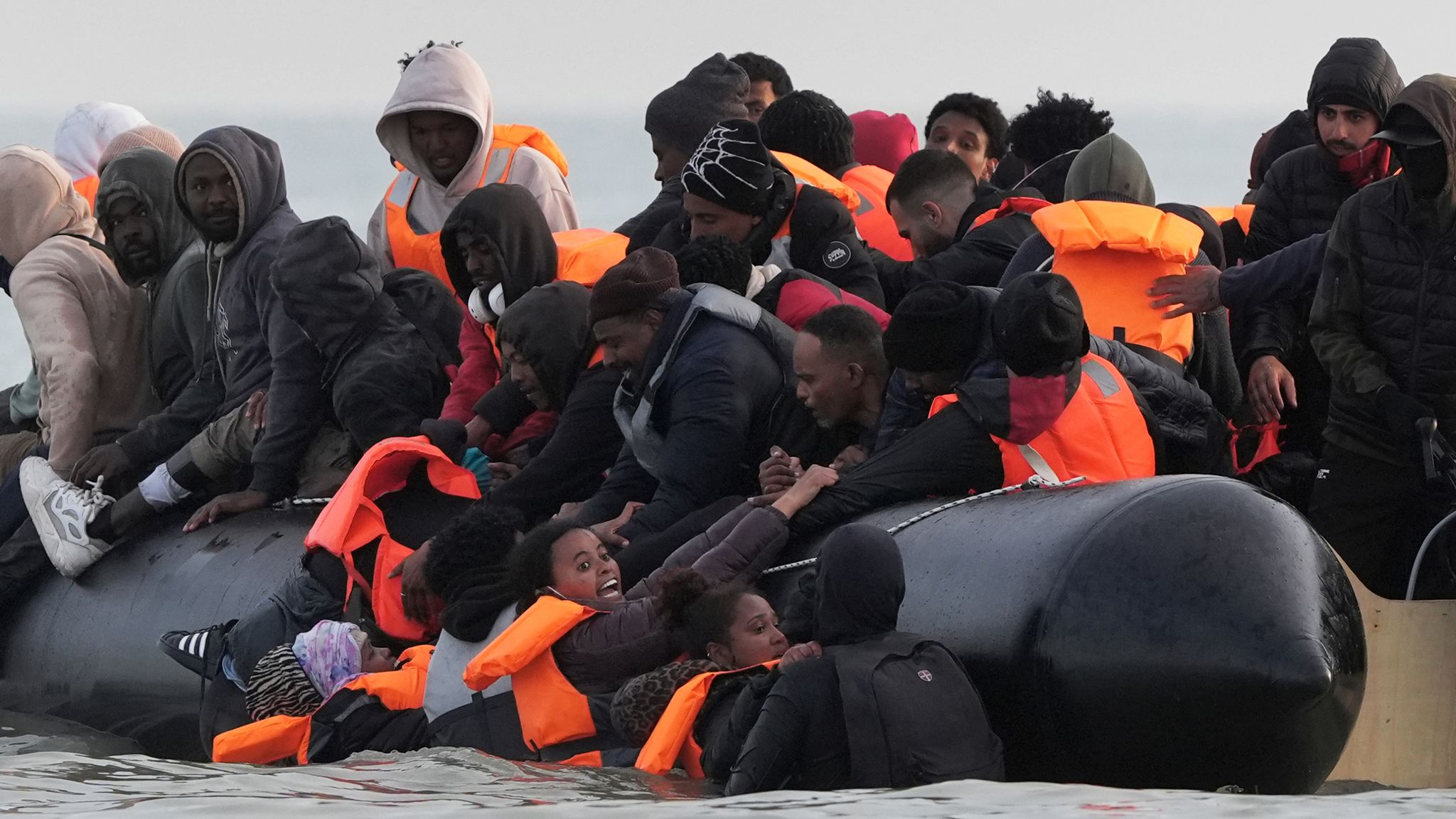
The Human Cost of Channel Crossings
The Channel crossing remains one of the most dangerous migration routes in the world. Since 2018, a total of 162 lives have been lost attempting the journey. In 2025 alone, there were 24 confirmed deaths, a significant reduction from the 73 fatalities recorded the previous year.
Tragically, just last week, two more lives were lost when a 16-year-old girl and a woman died during an attempt to cross the Channel in a small boat carrying approximately 82 people.
Despite these heartbreaking incidents, early data from 2026 indicates a decline in Channel crossings compared to previous years. So far, arrivals are down 36% compared to the same point in 2025 and 16% lower than in 2024.
Government Responses and Policy Efforts
Successive UK governments have grappled with how to address the increasing flow of migrants crossing the Channel. Efforts have focused on collaboration with France to disrupt these crossings and reform asylum policies to deter dangerous journeys.
In April 2025, Home Secretary Shabana Mahmood signed a landmark three-year agreement with the French government, committing £662 million to support enhanced beach patrols and other measures aimed at reducing crossings.
Additionally, Mahmood has pursued a comprehensive overhaul of the UK asylum system designed to make it more difficult for migrants to claim asylum after arriving illegally by boat. This includes measures to expedite deportations of those without legal right to remain in the country.
Political Context and Migrant Trends
Analysis of the data reveals that just over a third of the total Channel arrivals—72,094 people—have crossed since the Labour Party took power in July 2024. The remaining 127,919 crossings occurred under Conservative governments, spanning the premierships of Theresa May, Boris Johnson, Liz Truss, and Rishi Sunak.
This timeline highlights how the issue of Channel crossings has persisted across multiple administrations, each facing the complex challenge of balancing humanitarian concerns with border security.
What This Means Going Forward
The continued rise in Channel crossings underscores the urgent need for effective, sustainable solutions. The increasing number of people per boat and persistent fatalities highlight the extreme risks migrants endure in pursuit of safety or better opportunities.
The UK government’s substantial financial commitment to French patrols and asylum reforms indicate a strategic pivot toward stronger deterrents and enforcement. However, the fluctuating data on crossings and deaths also show that no single approach can fully resolve the situation.
Long-term success will likely require close international cooperation, improved legal pathways for migration, and comprehensive support for vulnerable refugees. As this complex issue evolves, policymakers, communities, and humanitarian organizations will need to stay vigilant and adaptive to changing circumstances.
The Channel crossing crisis remains a defining challenge for the UK’s immigration system and a sobering reminder of the human cost behind migration statistics.