More than 6,000 children and teenagers in England are undergoing treatment at specialist NHS weight-loss clinics due to severe obesity, including hundreds as young as four years old. Newly released NHS England data highlights the alarming scale of the childhood obesity crisis and its profound impact on young lives.
The Growing Childhood Obesity Crisis: What the Numbers Reveal
Since the launch of the first Complications from Excess Weight (CEW) clinic in 2021, the NHS has treated a total of 6,497 children and adolescents struggling with extreme obesity. Among them, 423 were just four years old—an age at which most children weigh far less. On average, these four-year-olds weighed 33kg (5st 3lbs), which is equivalent to the typical weight of a 10-year-old child.

Age breakdown of children treated at CEW clinics is as follows:

- 423 children aged 4 years
- 1,088 children aged 5 to 8 years
- 1,791 children aged 9 to 12 years
- 3,137 teenagers aged 13 to 17 years
- 58 children with unknown age
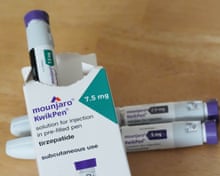
Eligibility for treatment at CEW clinics requires a referral from a paediatrician, GP, or childhood mental health service and a body mass index (BMI) above the 99.6th percentile, along with an obesity-related illness. These clinics offer tailored therapies including diet plans, mental health support, coaching, and for some, weight loss injections. Nearly 400 children have received these medication-assisted treatments.

Serious Health Complications Among Children with Obesity
New research analyzing nearly 6,000 children treated by CEW clinics reveals worrying health conditions linked to severe obesity. Presented at the European Congress on Obesity in Istanbul, the study found:

- 17% had high blood pressure
- Similar proportion exhibited abnormal blood fat levels
- 6% were diagnosed with type 2 diabetes
- Almost 30% suffered from metabolic dysfunction-associated steatotic liver disease (fatty liver)
- 17% experienced obstructive sleep apnoea
- About 9% had deliberately self-harmed
- 9% suffered from anxiety
- Nearly 30% were diagnosed with autism spectrum disorder
- Approximately 12% had attention deficit hyperactivity disorder (ADHD)
- 24% had a learning disability
The research was conducted collaboratively by Sheffield Hallam University, Leeds Beckett University, the University of Leeds, the University of Bristol, and the University of Sheffield.

Why This Matters: The Urgent Call for Action
Experts warn that these statistics signal a public health emergency demanding immediate intervention. Katharine Jenner, Executive Director of the Obesity Health Alliance, emphasized the urgent need to reshape the food environment. “Children as young as four needing specialist NHS treatment for obesity is a wake-up call. They grow up surrounded by unhealthy food, and families face an uphill battle against a system that favors junk food,” she said.

Jenner advocates for policies that make healthier food options more affordable and accessible to all families, regardless of socioeconomic status. Early preventative measures are critical, given that some children are already showing signs of cardiovascular disease before their teens.
Dr Helen Stewart, Health Improvement Officer at the Royal College of Paediatrics and Child Health, highlighted the disproportionate impact of obesity on disadvantaged children. “Obesity increases the risk of chronic illnesses and mental health problems. Children from deprived backgrounds face higher risks and potentially shorter lifespans,” she explained.

Impact of CEW Clinics on Children’s Health
Data presented at the same conference revealed that children receiving care at one of the 39 CEW clinics in England lost an average of 10kg more over two years compared to those managed solely by GPs or community teams. This demonstrates the critical role of specialized, multidisciplinary care in addressing severe childhood obesity.

These clinics offer comprehensive treatment plans that include nutritional guidance, psychological support, and, for those aged 11 and older, pharmacological interventions such as weight loss injections. Prof Simon Kenny, National Clinical Director for Children and Young People at NHS England, stressed the clinics’ importance: “Severe obesity affects every aspect of a child’s life—physical health, mental wellbeing, and confidence. These clinics are helping thousands turn their lives around.”
Looking Ahead: The Long-Term Stakes of Childhood Obesity
Children with obesity face a significantly higher likelihood of remaining obese into adulthood, increasing their risk of developing serious conditions such as heart disease, various cancers, and respiratory illnesses much earlier in life. Without effective intervention, many could face a drastically shortened lifespan.

Prof Kenny added, “In some cases, these clinics are giving children a chance at a full and healthy life that might otherwise be cut tragically short. Childhood obesity remains one of the nation’s most pressing public health challenges, and early intervention through NHS services is vital to preventing lifelong complications.”

The NHS’s commitment to expanding and enhancing CEW clinics reflects a broader strategy to tackle childhood obesity through early, specialized care. However, experts agree that systemic changes—such as regulating junk food marketing and making nutritious food more affordable—are essential to reversing this disturbing trend.

Takeaway
The stark reality of thousands of severely obese children requiring intensive NHS treatment underscores the urgent need for comprehensive public health action. Beyond clinical care, transforming the food environment and addressing socioeconomic inequalities must be priorities to halt and reverse this alarming epidemic. Without swift, coordinated efforts, more children will face preventable health crises at increasingly younger ages.