In a landmark change for London’s bustling shopping district, Oxford Street has officially become a traffic-free zone. This bold transformation marks a significant shift in the capital’s urban landscape, as Mayor Sadiq Khan declared the event “a truly momentous occasion for the capital.”
What Happened: Oxford Street Goes Car-Free
On this historic day, Oxford Street closed its doors to all vehicular traffic, embracing pedestrianisation to create a safer, cleaner, and more welcoming environment for shoppers, tourists, and locals alike. This decision follows years of debate and planning aimed at reducing congestion and pollution in one of London’s busiest retail corridors.
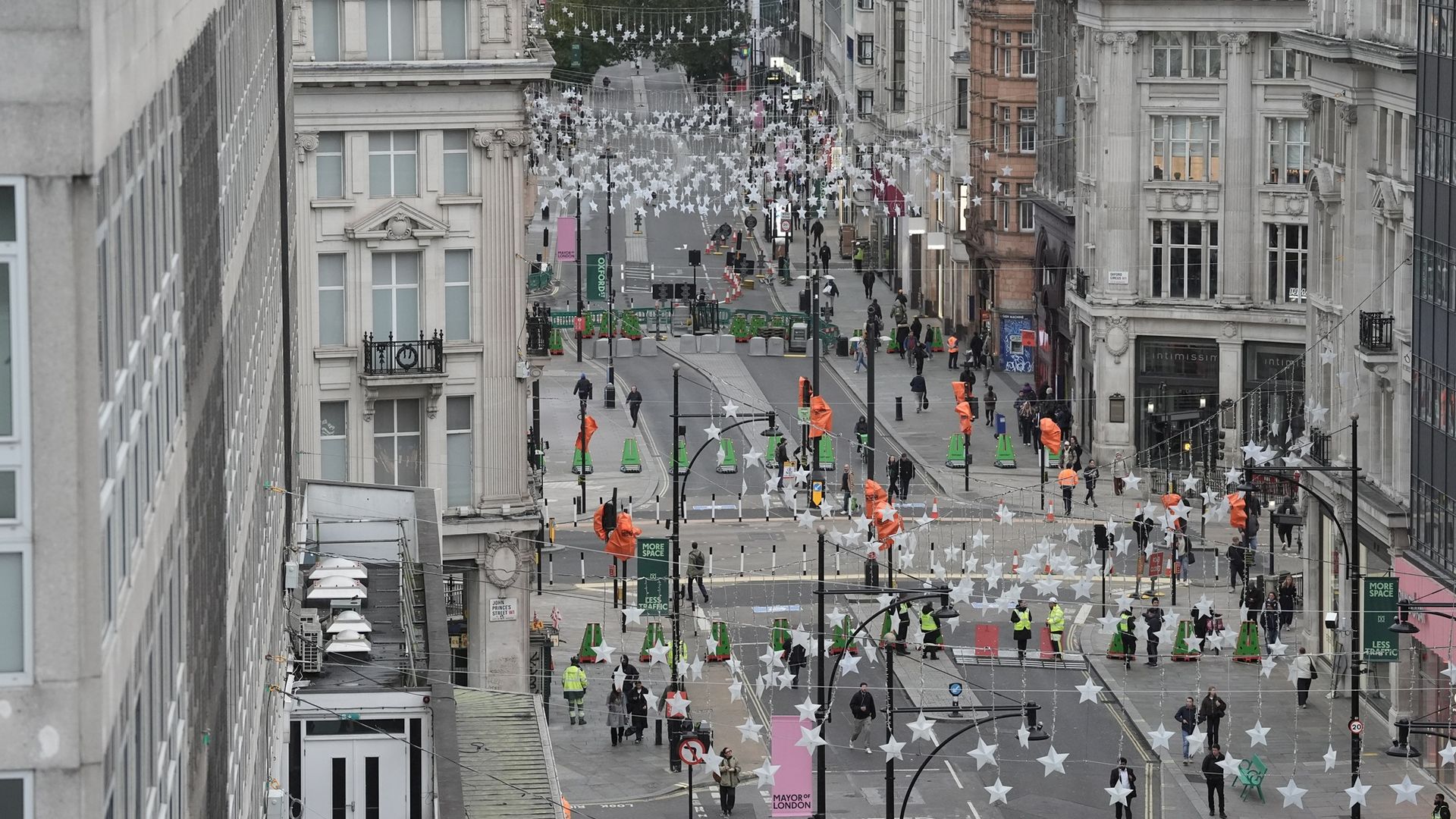
With cars, buses, and taxis no longer permitted to traverse the street, the area has been reimagined as a vibrant public space. This opens up new opportunities for outdoor events, street performances, and expanded retail footprints, enhancing the overall experience for visitors.
The pedestrianisation of Oxford Street is part of a broader strategy by the City of London and Transport for London to improve air quality, reduce carbon emissions, and encourage sustainable modes of transport such as walking, cycling, and public transit.
Why This Matters: Environmental and Economic Impact
Oxford Street has long been plagued by heavy traffic and air pollution, which negatively affected both public health and the quality of the shopping experience. By removing vehicles, the city aims to dramatically cut harmful emissions in this densely populated area.
Mayor Sadiq Khan has repeatedly emphasized his commitment to tackling climate change and improving Londoners’ quality of life. The pedestrianisation of Oxford Street aligns with his wider environmental goals, including the Ultra Low Emission Zone (ULEZ) expansion and investment in green infrastructure.
Beyond environmental benefits, this transformation is expected to boost economic activity. A pedestrian-friendly Oxford Street encourages longer visits and higher foot traffic, which can translate into increased sales for retailers and local businesses. It also revitalizes the street’s appeal as a cultural and social hub, attracting a diverse range of visitors.
What Comes Next: The Future of Oxford Street and London’s Urban Planning
The success of Oxford Street’s pedestrianisation could serve as a template for other parts of London and major cities worldwide. Urban planners and policymakers will closely monitor how this change affects traffic patterns, public transport usage, and business performance.
To accommodate the shift, the city has implemented enhancements in nearby transport links, including upgrades to bus routes and encouragement of cycling through new lanes and bike-sharing programs. These complementary measures aim to ensure the broader transport network adapts smoothly.
Community feedback and data collection over the coming months will guide further refinements. Challenges such as managing deliveries, emergency vehicle access, and potential displacement of traffic to surrounding streets are under careful consideration.
Ultimately, the pedestrianisation of Oxford Street symbolizes London’s ambition to create a more sustainable, livable, and people-centered city. It reflects a growing global trend toward reclaiming urban spaces from vehicles and redesigning them for human connection and environmental resilience.
Takeaway: A New Era for London’s Iconic Shopping Street
The transformation of Oxford Street into a car-free zone represents a decisive step in London’s evolution as a forward-thinking metropolis. By prioritizing pedestrians over vehicles, the city not only enhances the shopping experience but also takes a firm stand on climate action and urban wellbeing.
This momentous occasion signals a future where London’s streets are safer, cleaner, and more vibrant. As the capital adapts to the demands of the 21st century, Oxford Street stands as a shining example of how thoughtful urban design can reshape daily life for the better.