Four activists from Palestine Action convicted of criminal damage during a protest at an Israeli arms manufacturer’s UK facility now confront the possibility of being sentenced under terrorism laws—a development hidden from the jury during their trial. This unprecedented legal twist raises profound questions about protest rights and judicial transparency in the UK.

What Happened at the Elbit Systems UK Site?
In early 2024, four activists—Charlotte Head (29), Samuel Corner (23), Leona Kamio (30), and Fatema Rajwani (21)—broke into the Elbit Systems UK factory near Bristol. They deliberately damaged drones and other military equipment as part of a protest aimed at disrupting the supply of weapons allegedly used in conflicts involving Israel.

The group’s actions led to charges of criminal damage. However, the case quickly took an extraordinary turn when Mr Justice Johnson ruled before the first trial that there was an apparent “terrorist connection” to the offences. This ruling occurred despite the protest taking place before Palestine Action was officially proscribed as a terrorist organisation—a fact that complicated the legal narrative.

Curiously, the judge prohibited informing the jury about this terrorism connection throughout the trial and even during the subsequent retrial. The jury was therefore unaware that the defendants’ actions could be interpreted under terrorism legislation, even though they ultimately convicted the activists of criminal damage.

The Legal Implications of the Terrorism Connection
Following the lifting of reporting restrictions, it emerged that the court will hold a separate hearing at sentencing to decide if the activists’ offences meet the criminal standard of proof for terrorism. If the court confirms a terrorism connection, the convicted activists face significantly harsher penalties than typical criminal damage offenders.

Unlike standard prisoners, who generally serve approximately 40% of their sentences before becoming eligible for release, those convicted under terrorism legislation must serve at least two-thirds of their sentence in custody. Parole boards will also require proof that the individuals have renounced their previous beliefs and are genuinely reformed before considering release.

The consequences extend beyond imprisonment. If classified as terrorists, the activists could be subjected to lifelong monitoring. This status would compel them to register any new electronic devices, bank accounts, email addresses, or even personal relationships with law enforcement. Failure to comply could result in immediate re-imprisonment.
This level of surveillance and control marks a stark departure from standard sentencing and raises questions about proportionality and civil liberties.

Controversy Over Jury Exclusion and Legal Arguments
The secrecy surrounding the terrorism connection during the trial has sparked significant debate. The jury was tasked only with deciding on criminal damage without knowledge of the broader terrorism implications, leading some legal observers to question the fairness and transparency of the process.

In March 2025, Justice Johnson clarified his reasoning, explaining that while the defence argued the activists’ primary motive was to prevent harm by damaging weapons, another intended purpose was to influence the Israeli government by targeting its military suppliers. This reasoning formed the basis of the terrorism connection.
The court also rejected the activists’ defence of lawful excuse, a legal argument allowing for damage if done to prevent greater harm. The judge barred the defendants from presenting evidence about their motivations, beliefs about the Gaza conflict, or any political reasoning behind their actions. This narrow focus confined the jury strictly to whether criminal damage occurred.
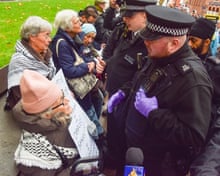
Such restrictions on presenting motive and context have drawn criticism from civil rights advocates. A spokesperson from Defend Our Juries condemned the process, stating: “The public will be astonished to learn that in the British justice system a protester can now be convicted of criminal damage for disrupting an arms factory and then be sentenced as ‘terrorists’ without having been convicted of terror charges and with this having been kept secret from the jury.”

They warned this could establish a dangerous precedent for future protest-related prosecutions, potentially chilling legitimate dissent and activism.

What This Means Going Forward
This case highlights the expanding reach of terrorism laws into areas traditionally treated as criminal offences, particularly around protest and activism. The legal system’s approach to the Palestine Action activists raises urgent questions about the balance between national security, civil liberties, and the right to protest.
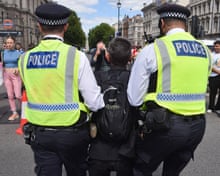
For activists and legal experts alike, the case may signal a shift toward more severe penalties and restrictions on political protest, especially when it targets sensitive industries such as arms manufacturing. It also underscores the importance of transparency and full disclosure in trials, ensuring juries can make informed decisions.

As sentencing approaches, all eyes will be on the court’s determination of the terrorism connection and the harshness of the penalties imposed. The outcome could have lasting implications for activism, legal standards around protest, and the definition of terrorism in the UK justice system.

Full details on the sentencing and any appeals have not yet been released.