

Mention the Falklands War in Britain, and you ignite a deeply sensitive and emotional chord linked to national pride and past trauma. Now, as King Charles prepares for a high-stakes visit to the United States, a recent Pentagon email suggesting a review of American support for certain European territories—including the Falklands—has stirred a fresh wave of controversy and tensions on both sides of the Atlantic.
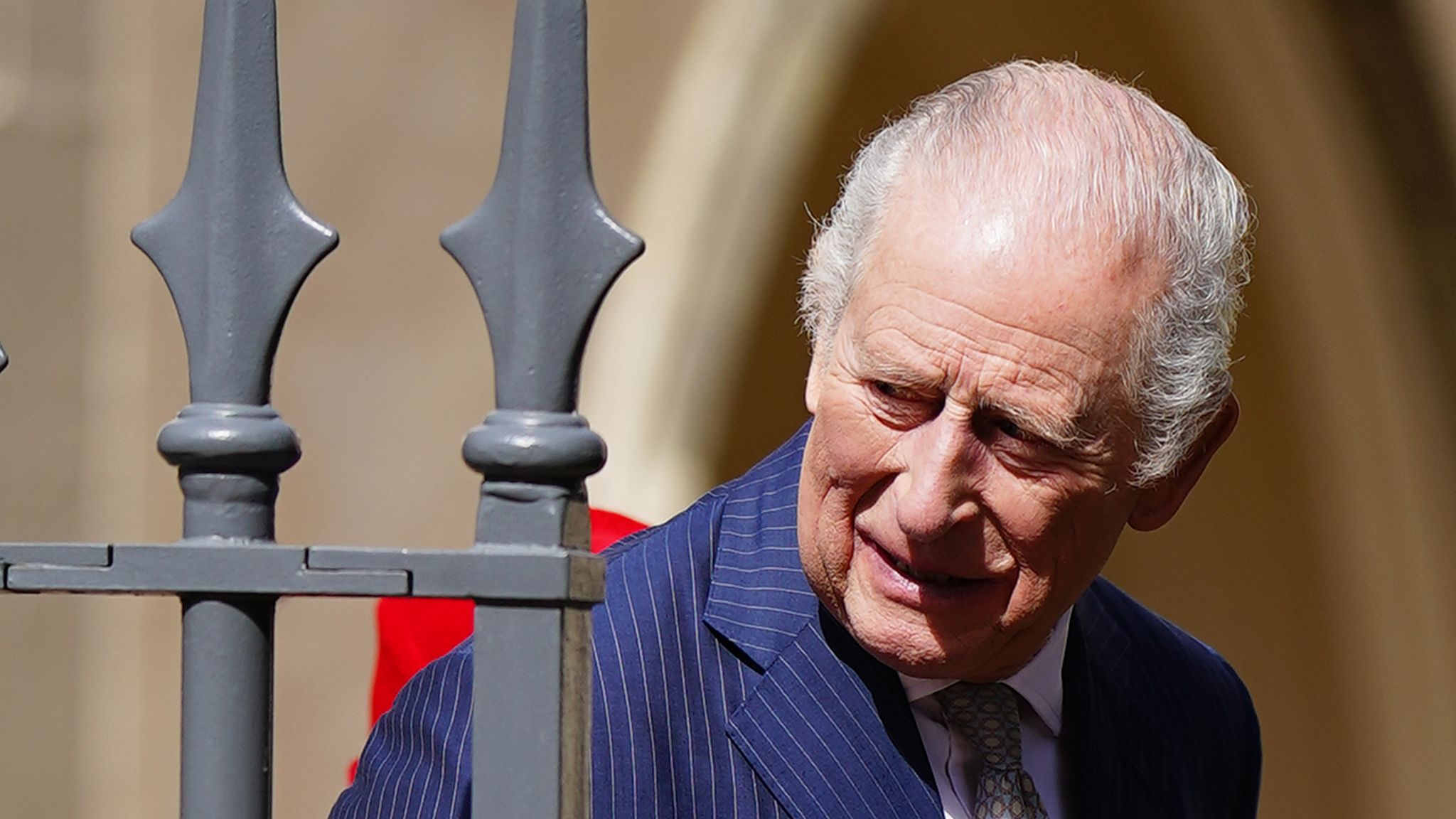
What Happened: Pentagon Email Raises Alarm in Britain
On the eve of a pivotal royal trip, Reuters revealed a Pentagon email discussing the possibility of reassessing the United States’ backing of European imperial territories. The Falklands, a British overseas territory that remains a powerful symbol of sovereignty and sacrifice, was among those mentioned. While the email does not propose any immediate policy changes or concrete actions, the mere suggestion has triggered a media firestorm in the UK.
Across British news outlets, headlines screamed “bombshell,” with some incorrectly reporting that the US president had already ordered the Pentagon to withdraw support for the South Atlantic islands. This sensationalism reflects not only the media’s eagerness to inflame public opinion but also the deep-rooted anxieties many Britons feel about the security of the Falklands and the reliability of the US as an ally.
Insiders speculate that the Pentagon memo may be part of broader discussions to address US President Joe Biden’s frustration with NATO’s response to international crises, particularly regarding Iran. Despite this context, the story has struck a raw nerve in the UK, where the Falklands War remains a defining chapter of modern history.
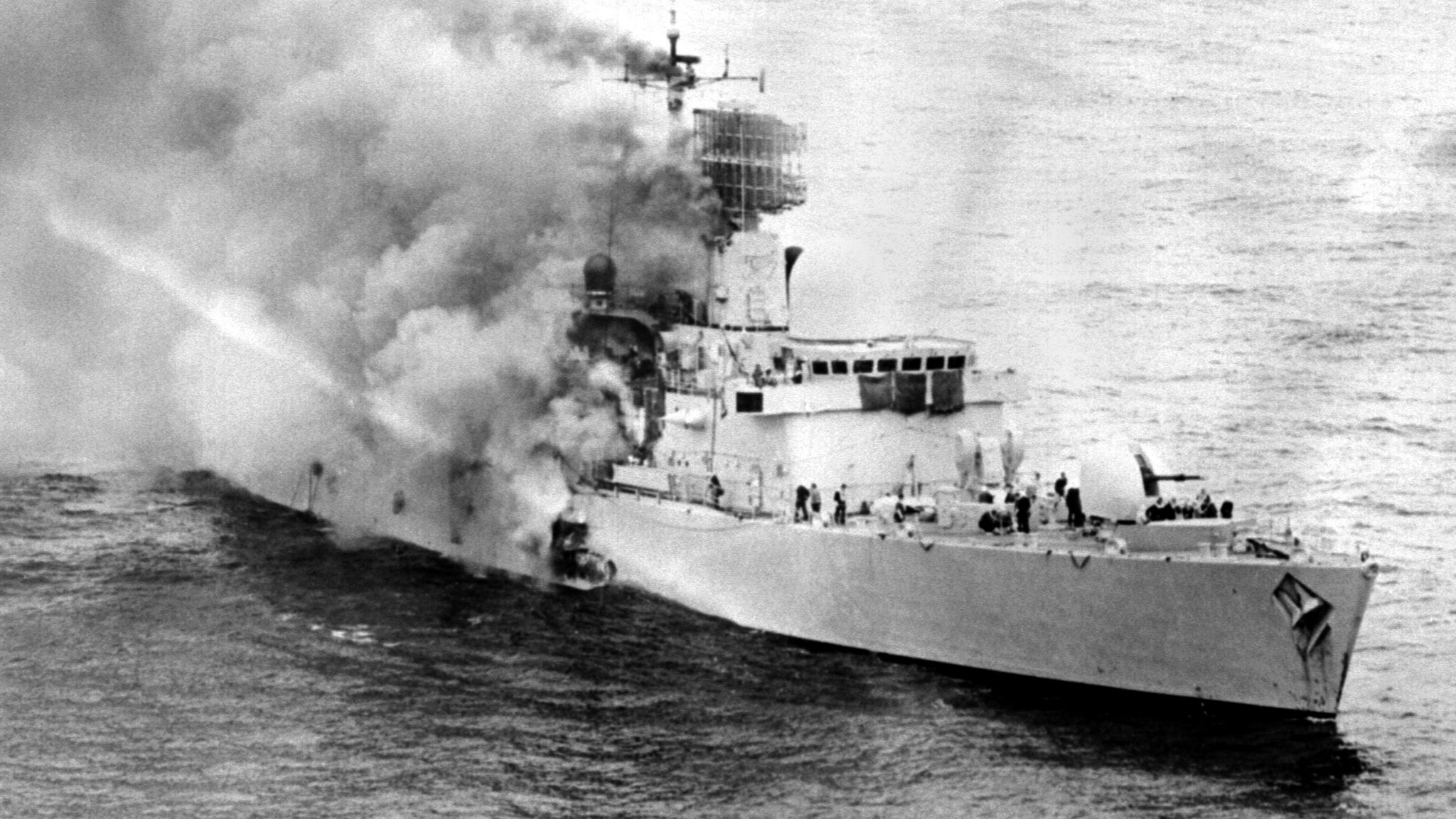
Why the Falklands War Still Resonates So Strongly
The Falklands War of 1982 represents both a source of enduring pride and a painful reminder of Britain’s vulnerabilities. More than 1,000 British servicemen were killed or wounded in the 74-day conflict, with countless others suffering lasting psychological scars. Many in the UK have personal connections to veterans or those directly affected by the war.
The successful military campaign to repel Argentine forces and reclaim the islands stands as a testament to British resolve. Yet, beneath that pride lies an acute awareness that replicating such an operation today would be far more challenging, if not impossible, given geopolitical realities and military capabilities.
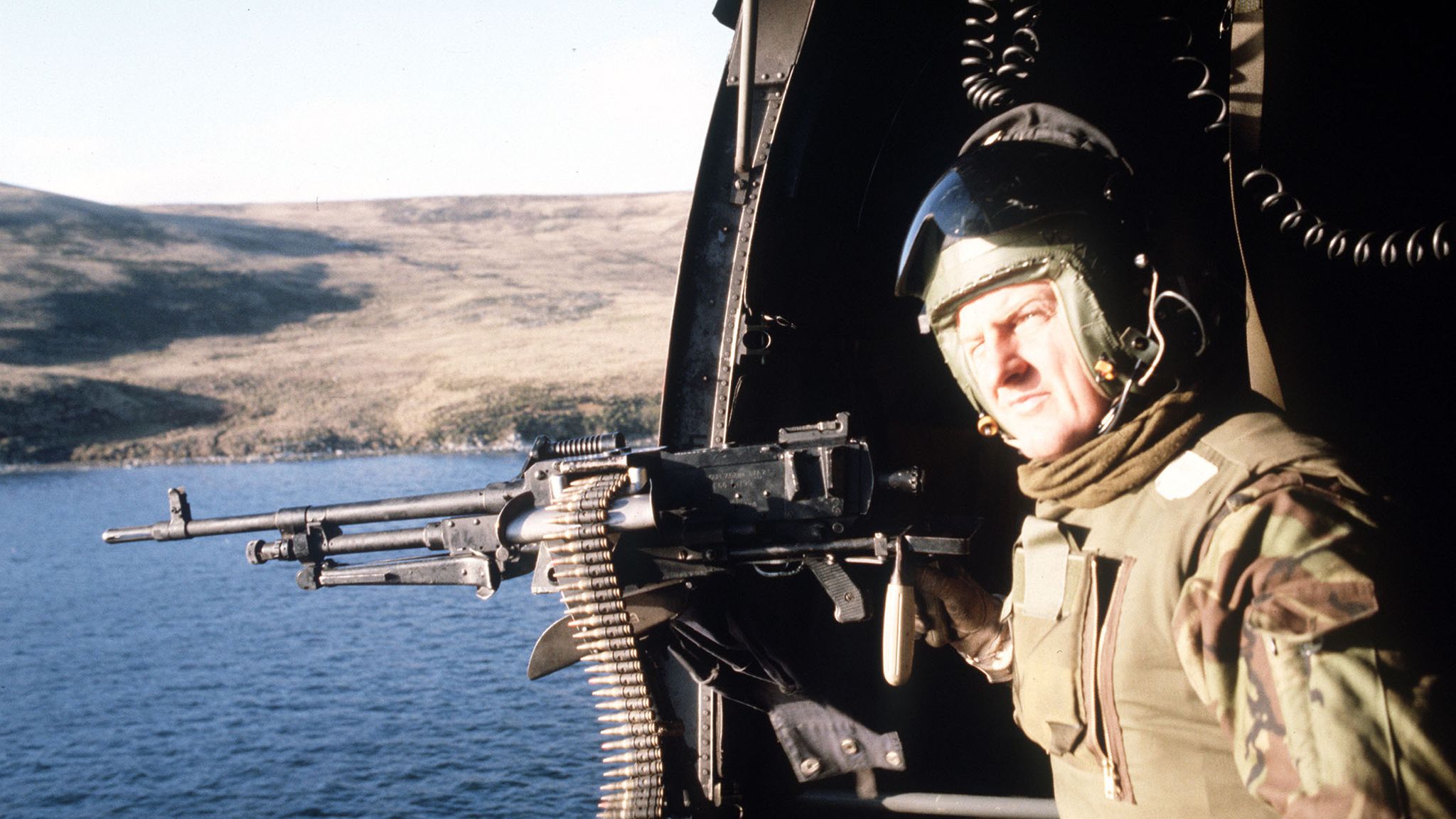
The Falklands War is emblematic of Britain’s post-imperial identity struggles. It highlights a period when the country was grappling with its diminished global influence and the limits of its military reach. This complex legacy feeds into why any suggestion of wavering US support hits a particularly sensitive spot, threatening national confidence and reopening old wounds.
Historically, the US response during the conflict was measured and cautious. Although the Reagan administration eventually provided military, intelligence, and logistical assistance, their initial skepticism and reluctance left many in Britain feeling unsupported by their most important ally. The war tested the “special relationship” and sowed seeds of lingering mistrust that persist today.
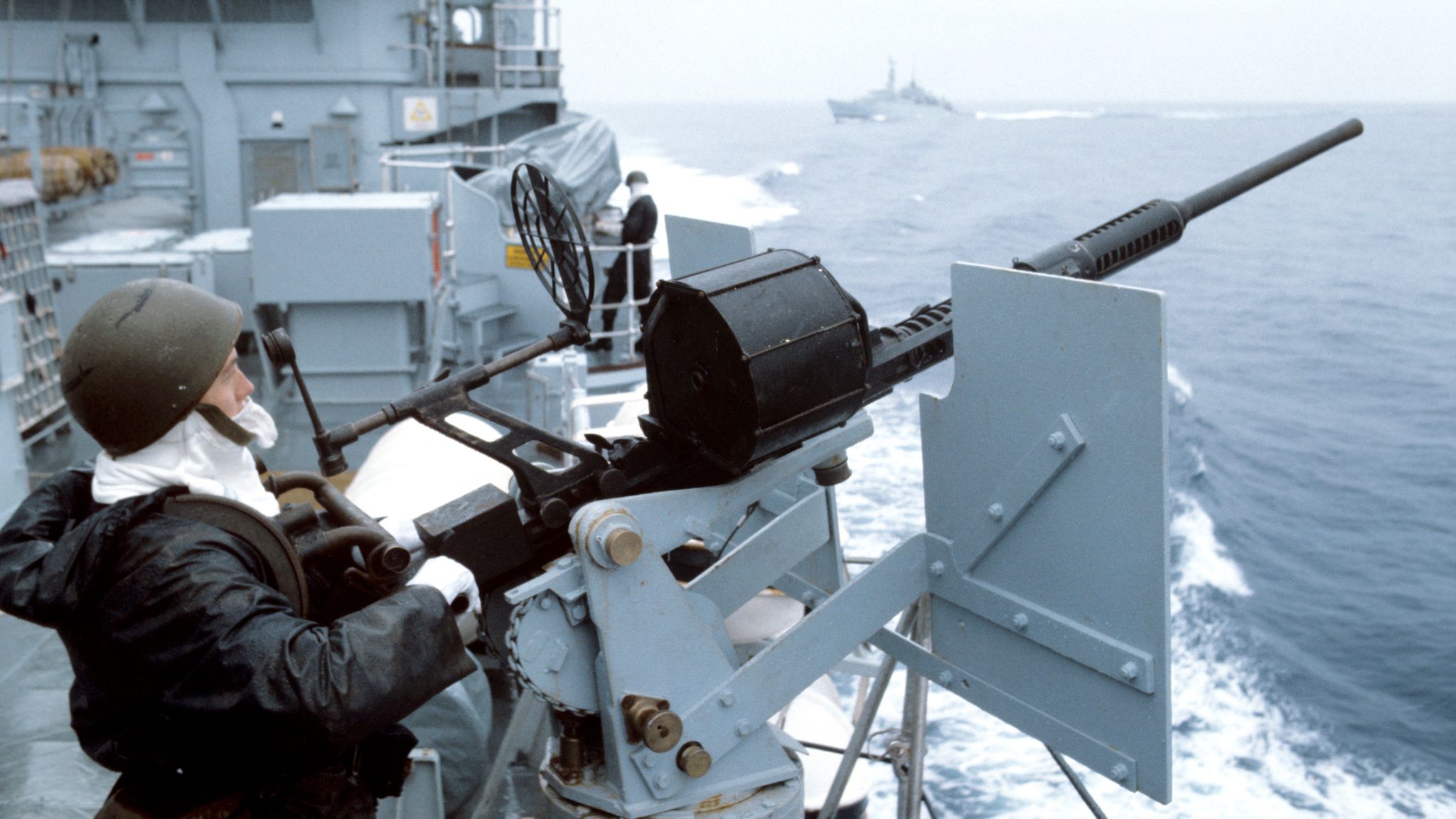
King Charles’s US Visit: Already Fraught, Now Even More Complicated
King Charles’s upcoming visit to the United States was always expected to be a delicate diplomatic balancing act. The British monarch faces a US president embroiled in multiple controversies, from allegations of personal and family corruption to foreign policy decisions that have unsettled global stability.
Adding to this fraught atmosphere, President Biden has drawn sharp criticism in the UK for comments perceived as dismissive toward the sacrifices of British troops in Afghanistan. Such insults cut deeply, especially as Charles serves not only as monarch but also as commander-in-chief of the British armed forces.
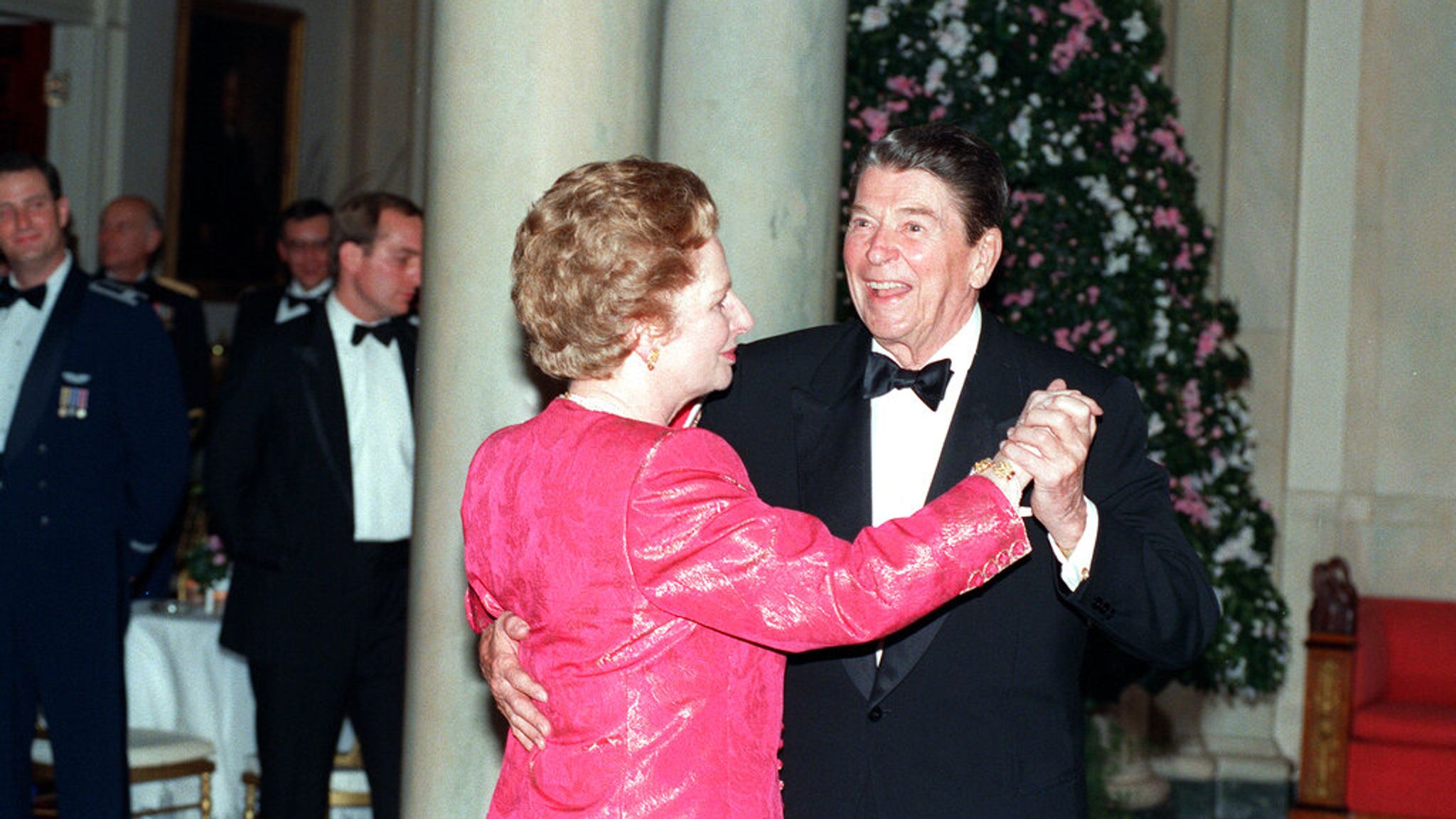
The resurfacing of doubts about US reliability during the Falklands War, through this Pentagon email, compounds the challenges ahead. It risks undermining the optics of “special relationship” unity at a moment when Britain is seeking reassurance and solidarity from its closest ally.
What This Means for UK-US Relations and the Falklands
This episode underscores the fragile nature of alliances built on historical ties and mutual trust. For Britain, the Falklands are more than a remote territory—they are a symbol of national identity, sacrifice, and sovereignty. Any hint that US support might be conditional or subject to reevaluation provokes anxiety about future security commitments.
For King Charles, the timing could not be worse. His mission to strengthen transatlantic ties comes under immediate strain, forcing British diplomats to manage the fallout carefully. The situation highlights the complexities of modern diplomacy, where historical grievances and current geopolitical dynamics intersect.
Ultimately, this controversy reveals how unresolved issues from past conflicts continue to shape contemporary international relationships. It also serves as a reminder of the enduring power of the Falklands War in British collective memory, and how sensitive questions about national security and alliance loyalty remain today.
As King Charles embarks on his US visit, both nations will need to navigate these delicate undercurrents with care to preserve the “special relationship” amid evolving global challenges.