

A fatal aviation accident unfolded near Dunkeswell Airfield in Devon, where a light aircraft crashed, resulting in the death of the pilot. The incident has sent shockwaves through the local community and aviation circles, prompting investigations into the cause of this tragic event.
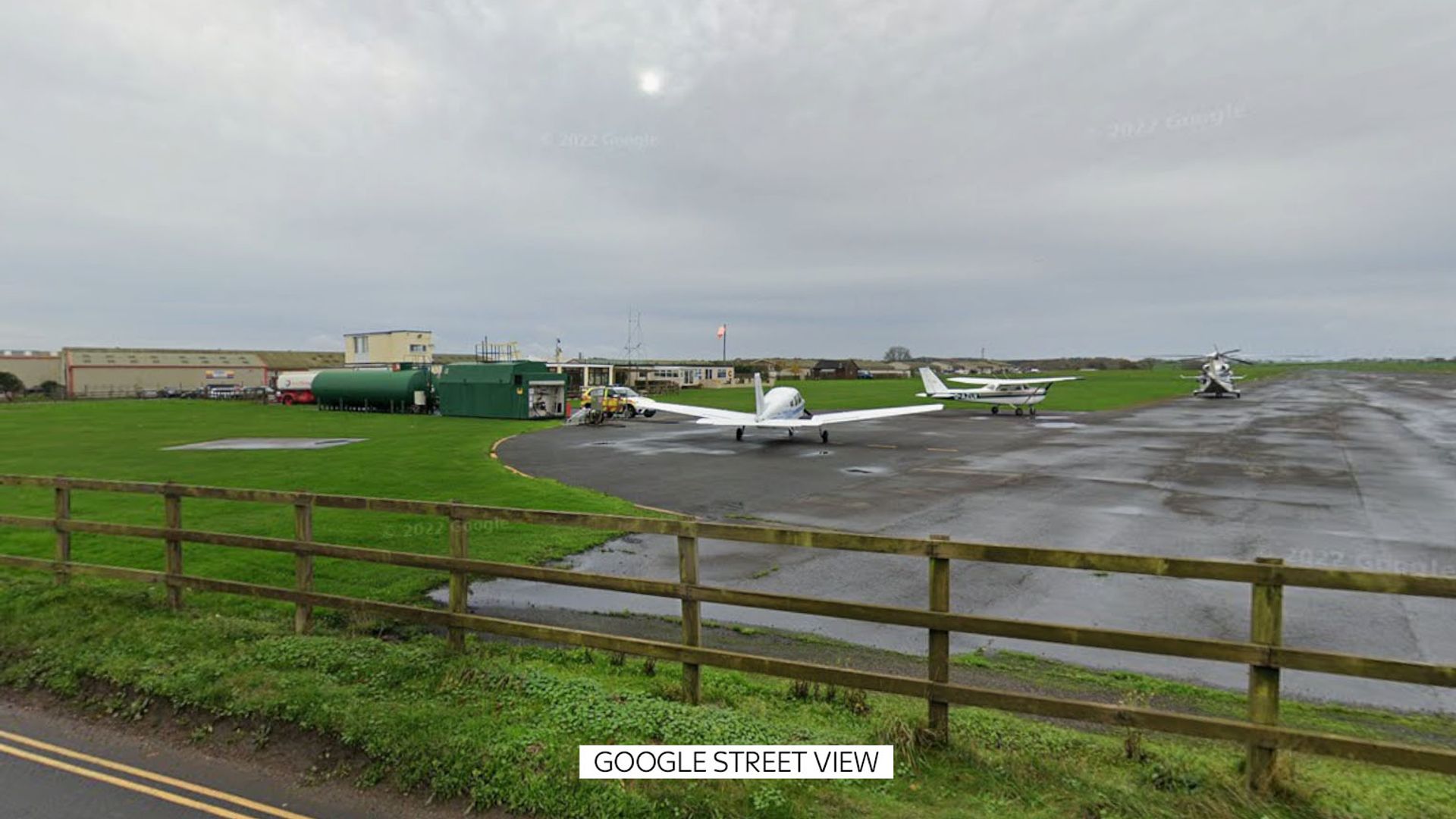
What Happened: Details of the Crash
The light aircraft went down in close proximity to Dunkeswell Airfield, a well-known hub for small aircraft operations in Devon. The pilot, whose identity has been withheld pending family notification, was the sole occupant of the plane. Emergency services responded promptly to the scene but were unable to save the pilot, who succumbed to injuries sustained in the crash.
The circumstances leading to the accident remain under active investigation by aviation authorities. Authorities have not released detailed information about the aircraft type, flight purpose, or weather conditions at the time of the crash. However, Dunkeswell Airfield’s location and operational profile suggest the flight was likely recreational or training-related.
Significance and Impact on the Local Aviation Community
Dunkeswell Airfield serves as a key facility for general aviation in the Southwest of England, hosting numerous light aircraft flights, pilot training schools, and maintenance operations. This tragedy highlights the inherent risks associated with light aircraft flying, even in controlled environments.
The loss of a pilot deeply affects the tight-knit aviation community in Devon. Colleagues and fellow aviators often emphasize rigorous safety practices to prevent such tragedies, but the unpredictable nature of flight means that risks can never be fully eliminated.
Light aircraft accidents, while statistically less frequent than other modes of transport incidents, tend to attract significant attention due to the vulnerability of pilots and the often solitary nature of these flights. The crash near Dunkeswell serves as a somber reminder of the critical importance of ongoing safety measures and thorough pilot training.
What Comes Next: Investigation and Safety Considerations
The Civil Aviation Authority (CAA) and related investigative bodies are expected to conduct a comprehensive inquiry. This will include examining the aircraft’s mechanical condition, pilot experience and health, environmental factors, and air traffic communications. Such investigations aim not only to determine the cause but also to recommend safety improvements to prevent future accidents.
Following similar past incidents, recommendations have often led to enhancements in pilot training standards, stricter maintenance protocols, and improved weather monitoring for light aircraft flights. The outcome of this investigation could influence safety practices not just locally but across the wider general aviation sector.
Authorities have urged anyone with information related to the crash to come forward to assist with the investigation. Meanwhile, Dunkeswell Airfield operators are expected to review their operational procedures in collaboration with regulatory agencies.
Why This Matters: The Broader Implications
Light aircraft flying plays a vital role in personal transport, pilot training, and recreational aviation in the UK. However, incidents like this underscore the ongoing challenges faced by pilots operating smaller, less-regulated aircraft compared to commercial airliners.
Understanding the factors that contribute to such accidents is crucial for enhancing safety protocols and pilot preparedness. Each fatal crash is a stark reminder that while aviation technology and training have advanced tremendously, vigilance remains essential.
For communities near busy airfields like Dunkeswell, this accident may prompt renewed discussions about emergency response readiness and local support for aviation safety initiatives.
Looking Ahead: A Call for Vigilance and Safety
The death of the pilot in Devon is a profound loss that resonates beyond personal tragedy. It serves as a call to action for the entire aviation community to redouble efforts in promoting stringent safety measures, comprehensive pilot education, and meticulous aircraft maintenance.
As investigations proceed, the hope remains that lessons learned will help prevent future crashes, safeguarding the lives of pilots and preserving the essential contributions of light aircraft aviation to society.