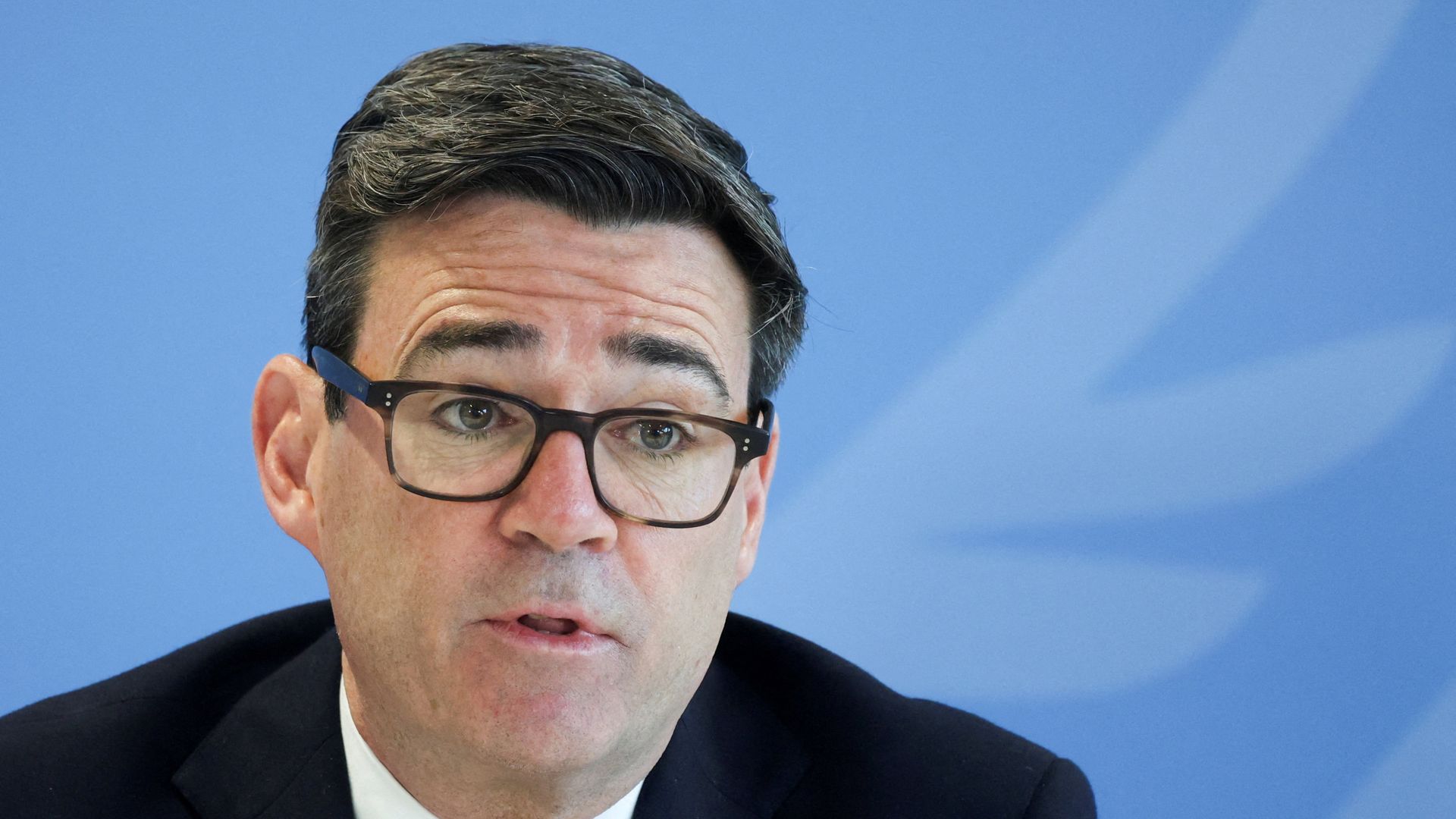
Andy Burnham, a prominent political figure, has called for an “honest discussion” regarding the possibility of the United Kingdom readopting the European Union’s free movement rules. This proposal touches on a critical and often contentious aspect of the UK’s post-Brexit relationship with the EU.
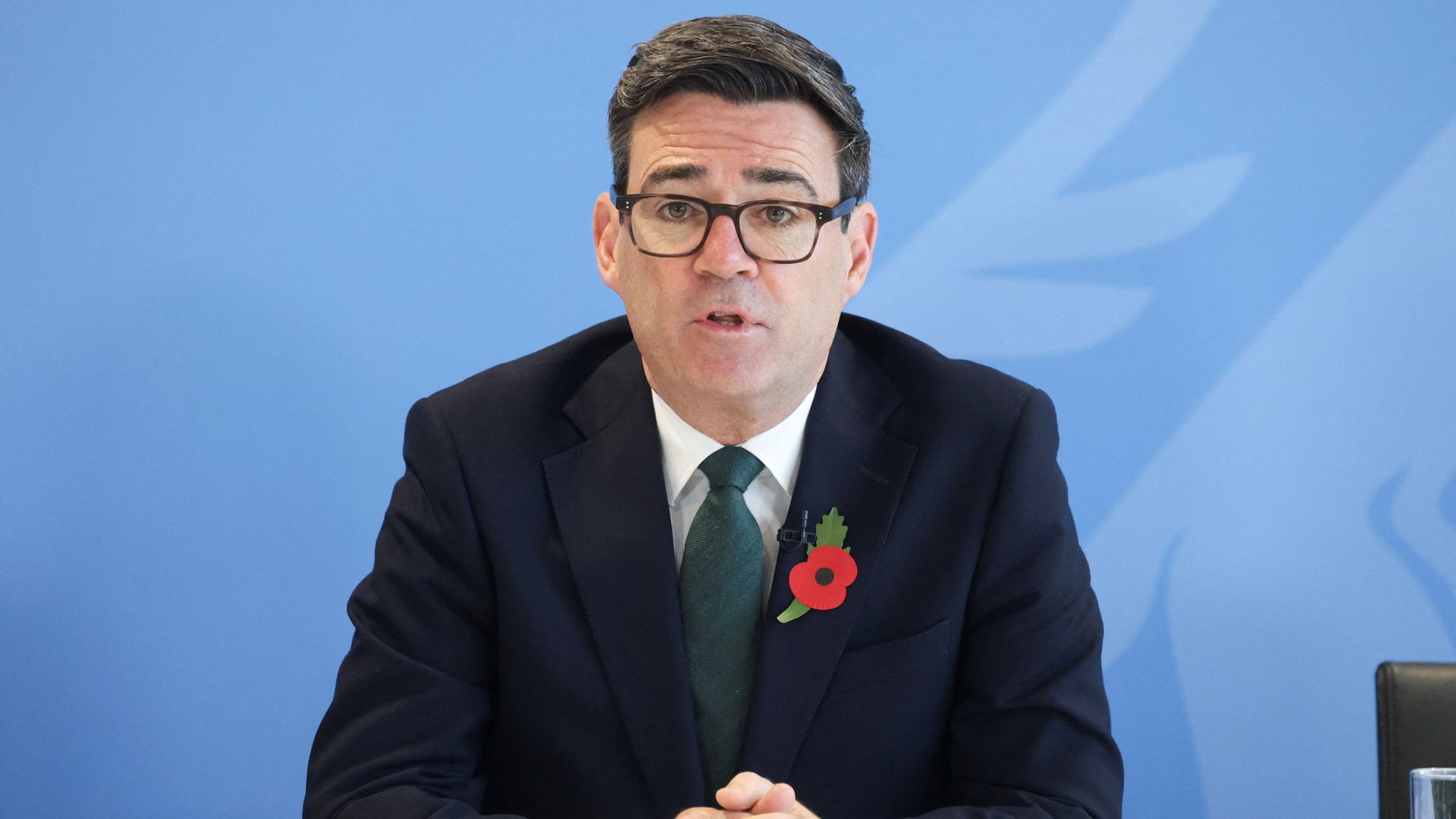
What Is the EU Free Movement and Why Does It Matter?
The EU’s free movement principle allows citizens of member states to live, work, and travel freely across borders within the Union without requiring visas or work permits. For decades, this freedom has been a cornerstone of European integration, fostering economic cooperation, cultural exchange, and labor mobility.
Since the UK’s departure from the EU, the country has implemented stricter immigration controls, ending the automatic right of EU citizens to move freely to the UK for work or residence. This shift has had significant implications for the labor market, industries reliant on migrant workers, and the broader social fabric.
By reopening the conversation about free movement, Burnham is highlighting the need to evaluate the balance between sovereignty and economic necessity. The debate centers on whether reintroducing free movement could address labor shortages and strengthen economic ties, or whether it risks undermining control over national borders.
Andy Burnham’s Call for an Honest Discussion
Burnham, known for his pragmatic approach to governance, stresses transparency and nuance in addressing this delicate topic. His call for an “honest discussion” implies a need to move beyond polarized rhetoric and consider the practical realities and consequences of free movement policies.
Free movement impacts various sectors differently. For example, healthcare, agriculture, and hospitality sectors have reported labor shortages post-Brexit, partly due to reduced migration from EU countries. Reconsidering free movement rules could alleviate some of these challenges, but it also raises concerns about immigration numbers and public sentiment.
Burnham’s stance suggests that any future policy should weigh these factors carefully, seeking input from businesses, workers, and communities affected by migration policies. This approach could lead to more balanced and sustainable immigration frameworks that serve both economic interests and social cohesion.
Why This Debate Is Crucial for the UK’s Future Relationship with the EU
The UK is currently negotiating its post-Brexit relationship with the EU on multiple fronts, including trade, security, and regulatory alignment. The question of free movement remains one of the most sensitive and complex issues in these discussions.
Reengaging with free movement rules could signal a shift toward closer integration with the EU, potentially easing trade and labor market frictions. However, it could also provoke political backlash from factions that view strict immigration controls as essential to national sovereignty.
The implications extend beyond economics. Free movement touches on identity, cultural exchange, and the UK’s place in Europe. An open, honest debate could help clarify the public’s priorities and guide policymakers in crafting immigration policies that reflect the country’s values and needs.
As the UK navigates its post-Brexit path, revisiting the free movement debate is not just about immigration mechanics but about defining the nation’s future relationship with Europe and the world.
What This Means Moving Forward
Andy Burnham’s call for an honest discussion on EU free movement invites a broader, more inclusive conversation on immigration and economic policy in the UK. It challenges politicians, stakeholders, and citizens alike to engage with the complexities of the issue pragmatically.
Reconsidering free movement could offer solutions to pressing labor shortages and improve the UK’s economic competitiveness. At the same time, it demands careful attention to public concerns about immigration and border control.
Ultimately, this discussion could pave the way for more nuanced and effective policies that balance openness with sovereignty. As the UK continues to define its post-Brexit identity, an honest, evidence-based debate on free movement will be essential in shaping a sustainable future.