

London’s streets witnessed intense confrontations on Saturday as two rival protests unfolded simultaneously, resulting in a total of 43 arrests. Authorities have now provided a comprehensive breakdown of these detentions, revealing that a significant portion were linked to hate crime offences, underscoring the volatile nature of the demonstrations.
What Happened During the Rival Protests?
On Saturday, London became the focal point of opposing demonstrations, each drawing passionate crowds with conflicting agendas. The protests escalated to the point where police intervention was necessary to maintain order and public safety. Over the course of the day, law enforcement officers detained 43 individuals for various offences committed during the events.
Among the arrests, 11 were specifically related to hate crimes, signaling that some actions went beyond peaceful protest and entered the realm of targeted hostility. The nature of these hate crime offences, while not detailed in the initial report, suggests offenses driven by prejudice or discrimination, which prompted swift police action.
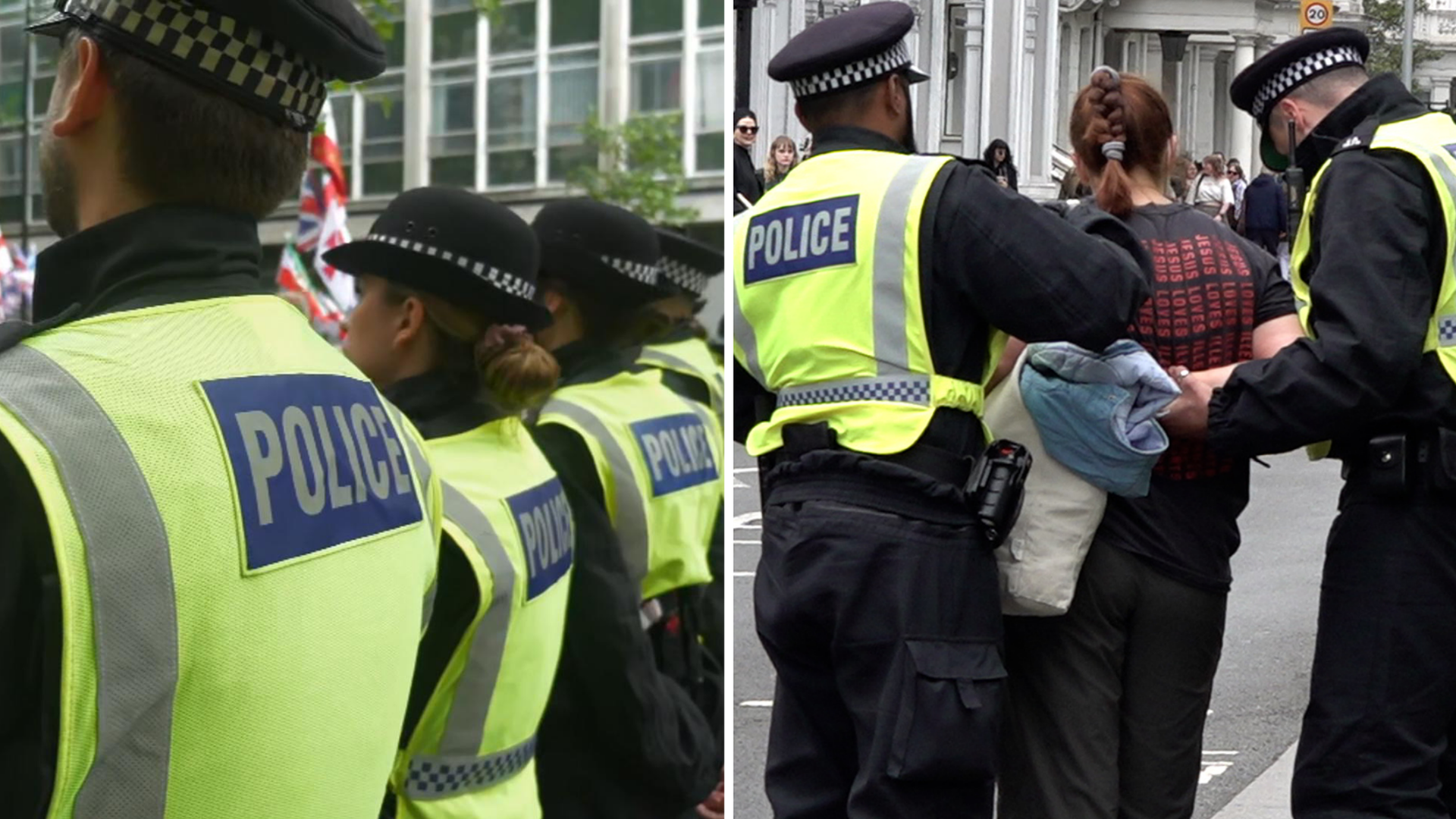
Police Response and Public Safety Measures
The Metropolitan Police deployed significant resources to manage the protests, balancing the right to demonstrate with the imperative to prevent violence and protect citizens. Officers monitored crowd dynamics closely, responding promptly to incidents that threatened to escalate tensions.
Detaining 43 individuals during a single day of protests reflects both the scale of unrest and the challenges faced by law enforcement in such charged environments. The 11 hate crime-related arrests highlight a particular concern for crimes motivated by bias, which can deeply affect community cohesion and safety.
Authorities have emphasized their commitment to upholding the law impartially while respecting peaceful assembly rights. Their detailed reporting on arrests aims to increase transparency about the nature and scale of offences encountered.
Why These Arrests Matter and What Comes Next
The arrests during these rival protests offer a window into the growing complexities of public demonstrations in London, a city that regularly hosts events expressing a wide range of political and social views. The presence of hate crimes within protest settings raises alarm about the potential for such gatherings to become platforms for violence and discrimination.
Understanding the specifics of these offences is crucial for community leaders, policymakers, and law enforcement to develop strategies that prevent future incidents and protect vulnerable groups. It also underscores the importance of vigilance and preparedness when managing large-scale public events.
Moving forward, police and local authorities are likely to review their approaches to crowd control and hate crime prevention, aiming to safeguard both the right to protest and the safety of all Londoners. The detailed arrest figures serve as a reminder of the delicate balance between freedom of expression and maintaining public order.
Looking Ahead
Saturday’s protests and the resulting arrests highlight ongoing tensions within London’s diverse communities. While the right to protest remains a cornerstone of democracy, incidents involving hate crimes pose serious challenges that require careful attention.
As authorities continue to analyze the events and respond to community concerns, this episode serves as a critical case study on managing rival demonstrations in a major metropolitan area. The focus now shifts to ensuring that future protests can proceed peacefully, with respect for all participants and the broader public.
Full details about the specific offences and subsequent legal proceedings have not yet been released, but the Metropolitan Police’s breakdown marks a significant step toward transparency and accountability following a turbulent day on London’s streets.