

Authorities have launched a thorough review into the deaths of four individuals who previously resided alongside convicted triple murderer James Desborough in a Cornwall homeless shelter. This development raises critical questions about the circumstances surrounding these deaths and the environment in which they occurred.
Background: Who Is James Desborough?
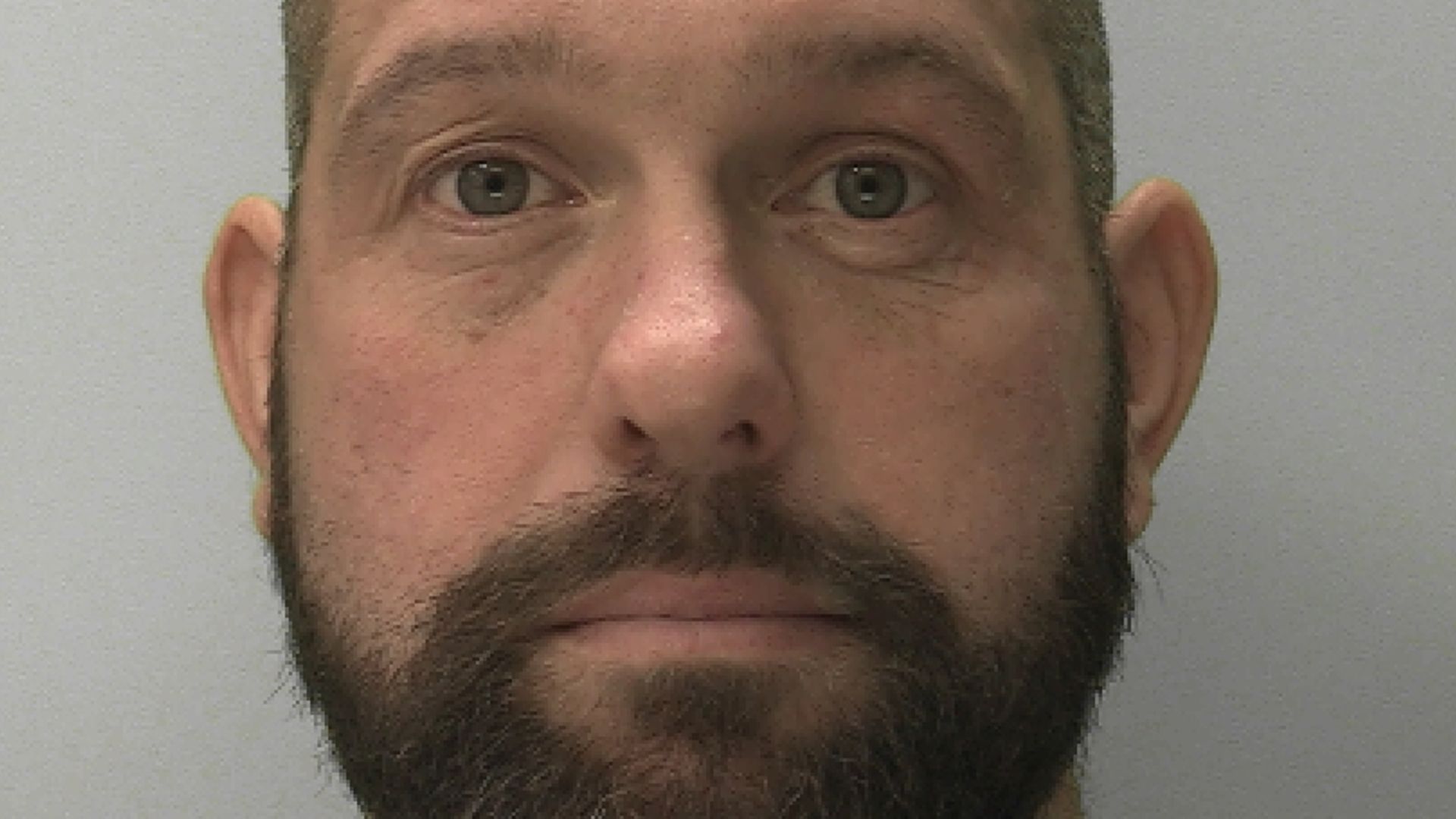
James Desborough was convicted for the brutal murders of three people, a case that shook Cornwall and captured national attention. His crimes highlighted vulnerabilities within the community, particularly among individuals facing homelessness and social isolation. Desborough’s connection to the shelter where the four additional deaths occurred has sparked new scrutiny from law enforcement agencies.
The shelter served as a refuge for many homeless individuals in Cornwall, a region grappling with rising homelessness amid economic challenges. Residents, including Desborough, shared living quarters in this facility, which has now become a focal point in ongoing investigations.
What Happened: Reviewing the Four Deaths
The police review aims to determine whether the four deaths are linked in any way to Desborough or if they resulted from other factors such as health issues, neglect, or violence within the shelter. So far, authorities have not disclosed specific details about the causes of death or the identities of the deceased, maintaining a cautious approach as the investigation unfolds.
Law enforcement is examining records, interviewing witnesses, and collaborating with social services to piece together an accurate timeline and context for these deaths. The investigation also seeks to identify any systemic failures in the shelter’s management that may have contributed to these fatalities.
These deaths raise concerns about the safety and well-being of vulnerable populations housed in communal shelters. Homeless shelters provide essential services but often face challenges related to staffing, funding, and security, which can affect residents’ health and safety.
Why This Matters: Implications for Public Safety and Social Services
This review underscores the urgent need to reassess how homeless shelters operate, particularly in areas where high-risk individuals reside. It also shines a light on the complexities of managing environments where residents may have criminal histories or mental health issues.
For Cornwall, a county already dealing with the social fallout of Desborough’s crimes, these additional deaths compound the community’s trauma and call for stronger protective measures. Ensuring that shelters are safe spaces is crucial not only for the homeless but for public confidence in social support systems.
Moreover, the police investigation could lead to policy changes or increased oversight of homelessness services to prevent similar tragedies in the future. It highlights the intersection of criminal justice, social welfare, and public health in protecting society’s most vulnerable.
What Comes Next: Ongoing Investigation and Community Response
Police continue to gather evidence and coordinate with local authorities to reach definitive conclusions about the four deaths. Community leaders and advocacy groups are closely monitoring the situation, urging transparency and accountability.
While the investigation is ongoing, it serves as a stark reminder of the risks faced by homeless populations and the critical importance of comprehensive support systems. Stakeholders are now calling for enhanced resources, better risk assessments, and more robust safety protocols in shelters.
Ultimately, this review could pave the way for meaningful reforms in how vulnerable individuals are protected and supported, ensuring that tragedies linked to environments like the Cornwall shelter become less likely.
Takeaway: The Need for Vigilance and Reform
The deaths of four individuals connected to the same shelter where convicted murderer James Desborough lived highlight profound challenges within social care and public safety frameworks. As police investigations proceed, the case demands attention not only for its immediate facts but also for broader societal implications.
Addressing these issues requires coordinated efforts from law enforcement, social services, and policymakers to safeguard vulnerable populations and restore community trust. The Cornwall case is a critical call to action for reforming homelessness support and preventing further loss of life.