

The Premier League is set to unveil a groundbreaking £1.5 billion financial proposal to the English Football League (EFL) this Tuesday, aiming to reshape the economic landscape of professional football across England for the coming decade. This bold blueprint promises to redefine funding structures, investment strategies, and long-term sustainability for clubs at all levels.
What the £1.5 Billion Deal Entails
The Premier League’s proposal outlines a comprehensive financial framework designed to support the entire professional football pyramid, from the top-flight down to the lower divisions governed by the EFL. While specific distribution details remain under wraps, the plan reportedly focuses on increasing revenue sharing, enhancing financial stability for smaller clubs, and fostering grassroots development.
Central to this initiative is the recognition that English football’s continued success depends not only on the Premier League’s global appeal but also on the health and competitiveness of clubs throughout the country. By injecting £1.5 billion over ten years, the Premier League intends to bridge financial gaps that have widened in recent years due to disparities in broadcasting income and commercial deals.
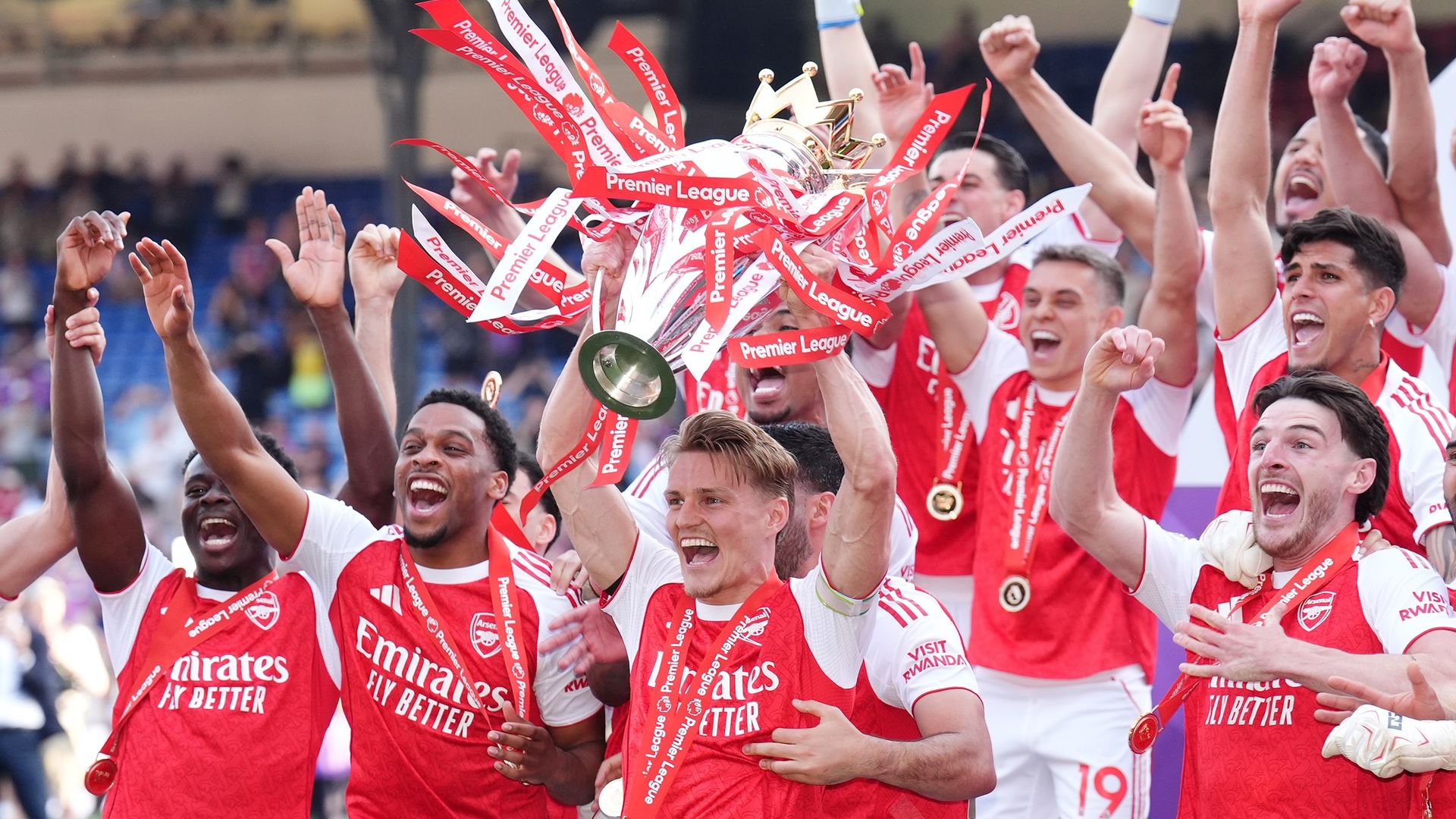
This proposed funding could significantly impact EFL clubs struggling with financial pressures, especially in the wake of the COVID-19 pandemic, which exposed vulnerabilities in lower-tier football operations. The Premier League’s offer signals a commitment to ensuring that football’s economic benefits reach beyond the elite clubs, fostering a more balanced and sustainable ecosystem.
Why This Proposal Matters to English Football
English football stands at a critical crossroads. The Premier League generates enormous revenue from global broadcasting rights and sponsorships, dwarfing the financial capabilities of EFL clubs. This imbalance has led to financial instability among lower league teams, threatening their viability and the overall health of the sport.
By presenting this £1.5 billion blueprint, the Premier League is not just offering financial aid—it is attempting to create a more equitable system that rewards all tiers of English football. The plan could help alleviate chronic issues such as club insolvencies, wage crises, and inadequate investment in youth development and facilities.
Moreover, this deal comes amidst ongoing discussions about the future structure of English football competitions, including potential reforms to promotion and relegation systems, and increased collaboration between leagues. The Premier League’s financial commitment could serve as a catalyst for broader reforms aimed at strengthening football’s foundation nationwide.
What Comes Next: The Road Ahead for the Deal
On Tuesday, the Premier League will formally present its offer to the EFL, initiating a crucial phase of negotiations. The EFL’s response will determine the trajectory of English football’s financial future. Stakeholders across the sport—including club owners, players, fans, and governing bodies—will be closely watching how this proposal unfolds.
Negotiations will likely focus on the specifics of fund allocation, governance mechanisms to ensure transparency, and long-term accountability. Both parties must reconcile differing priorities to forge a partnership that benefits not only the top-tier clubs but also the hundreds of smaller teams that form the backbone of English football.
Successful agreement on this deal could lead to increased investment in stadium infrastructure, youth academies, and community programs, enhancing the sport’s social and economic impact nationwide. Conversely, failure to reach consensus might exacerbate existing financial disparities, risking further instability in the football pyramid.
Looking Forward: What This Means for Fans and Clubs
The Premier League’s £1.5 billion proposal represents a pivotal moment for English football. It acknowledges the interconnectedness of all professional levels and the necessity of collective financial health for the sport’s ongoing success. For fans, this could translate into more competitive matches across divisions, improved club viability, and enriched community engagement.
Clubs, especially those in the EFL, stand to gain much-needed financial support that could stabilize their operations and enable strategic growth. However, the ultimate impact will depend on the negotiation outcomes and the implementation of the deal’s terms.
As English football navigates this ambitious financial restructuring, the coming weeks will be critical in shaping a more sustainable and inclusive future for the sport. The Premier League’s offer signals a willingness to invest in that future—but the real test lies in the details and the collective commitment of all parties involved.