

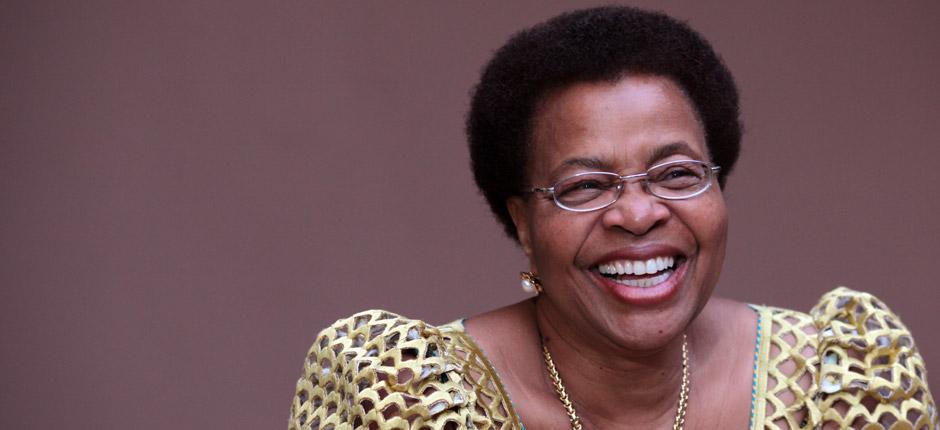
President Barack Obama reached out to the family of Nelson Mandela during a poignant visit to South Africa, offering solace and reflecting on the enduring legacy of the iconic anti-apartheid leader. In a deeply personal gesture, President Obama spoke by telephone with Graca Machel, Mandela’s wife, who remained at his bedside, as the former South African president battles critical illness at the age of 94. This moment of connection underscored the global reverence for Mandela’s life and the intimate human experience unfolding within his family.
Private Family Meeting and Tribute to Mandela’s Legacy
During his time in Johannesburg, President Obama held a private 30-minute meeting at the Nelson Mandela Centre of Memory with two of Mandela’s daughters and eight of his grandchildren. This gathering allowed Obama to engage closely with Mandela’s closest relatives, sharing words of comfort and support as the family navigates a challenging chapter.
In an official statement following the meeting, Obama emphasized the profound influence Nelson Mandela has had, not only on South Africa’s historic transformation but also on people worldwide, including himself. “I reaffirmed the profound impact that his legacy has had in building a free South Africa, and in inspiring people around the world – including me. That’s a legacy that we must all honour in our own lives,” he expressed.
This acknowledgment highlighted Mandela’s role as a beacon of resilience, reconciliation, and principled leadership. His commitment to justice and equality helped dismantle apartheid and paved the way for South Africa’s emergence as a democratic nation. Obama’s words reinforced Mandela’s position as a global symbol of moral courage and the power of peaceful resistance.

Obama’s Deference and Historical Reflections
Though in the country during a broader three-nation African tour, President Obama chose not to visit Mandela in the hospital, respecting the wishes of Mandela’s family and the delicate nature of the former leader’s condition. Instead, he focused on offering support to the family and celebrating Mandela’s enduring impact.
Obama’s visit coincided with bilateral discussions with South African President Jacob Zuma in Pretoria. Following these talks, Obama shared his heartfelt thoughts with reporters, emphasizing the global solidarity felt for Mandela and South Africa. “Our thoughts and those of Americans and people around the world are with Nelson Mandela and his family and all of South Africans,” he stated.
Highlighting Mandela’s unique moral courage and the country’s dramatic transition from apartheid to democracy, Obama described the struggle as a personal inspiration. He noted that the example set by Mandela and the South African people continues to demonstrate the “power of principle” and the influence of standing firmly for what is right.
President Zuma provided an update on Mandela’s health, describing it as “critical but stable” and expressing hope that Mandela would soon return home. Zuma also remarked on the historic connection between both leaders, noting they are “bound by history as the first black presidents of your respective countries.”
In a historic comparison, Obama likened Mandela to George Washington, the first president of the United States, praising both men for voluntarily stepping down from power at the peak of their leadership. Obama called Mandela “one of the greatest people in history,” emphasizing the profound lessons his life offers about leadership and humility.
Earlier in his tour, Obama reaffirmed his respect for Mandela by declining any opportunistic photo opportunities, stating he did not need such a moment to honor the anti-apartheid icon. The anticipated encounter between the two pioneering black presidents was unfortunately prevented by Mandela’s declining health, yet the symbolism of their shared history remains powerful.

Context of Mandela’s Health and Public Sentiment
Nelson Mandela’s health has been a focus of international concern ever since he was admitted to hospital three weeks prior with a recurring lung infection. Approaching his 95th birthday, the former president’s condition has fluctuated, with government officials describing it as critical but stable.
Mandela’s ex-wife, Winnie Madikizela-Mandela, recently spoke out to caution against insensitive public commentary regarding his condition. She emphasized the family’s right to privacy and respect, urging the public and media to avoid premature judgments or statements about letting go or withdrawing life support. Her remarks highlighted the emotional complexity surrounding Mandela’s illness and the need for compassion during such a difficult time.
The former president’s hospitalization has drawn global attention not only because of his iconic status but also because he symbolizes hope, freedom, and the enduring fight against injustice. His life story, from prisoner to president, continues to inspire leaders and citizens alike.
Obama’s visit also included a planned tour of Robben Island, the notorious prison where Mandela spent 18 of his 27 years behind bars, further connecting the American president with Mandela’s remarkable journey.
Understanding the Significance: Why This Matters
This visit by President Obama carries deep symbolic weight on many levels. It underscores the international respect commanded by Nelson Mandela, not just as a political figure, but as a moral exemplar who transcended national boundaries. Obama’s engagement with Mandela’s family and his public remarks reaffirm the universal values Mandela embodied: courage, forgiveness, and the pursuit of justice.
Moreover, the meeting reflects ongoing ties between South Africa and the United States, particularly through the shared experiences of their first black presidents. It highlights how Mandela’s legacy continues to shape global conversations about leadership and human rights.
Obama’s decision to honor the family’s privacy while still publicly acknowledging Mandela’s impact models a balance between diplomatic respect and heartfelt tribute. It reminds the world that behind every great leader is a family enduring personal trials, deserving of dignity and compassion.
As South Africa and the world hold Mandela in their thoughts during this critical time, the enduring lesson is clear: the values Nelson Mandela championed remain vital in addressing today’s challenges. His legacy calls on everyone to live with integrity and stand against injustice, inspiring future generations to carry the torch of freedom forward.