

Prince Harry, the Duke of Sussex, is set to remain alone at Buckingham Palace during his upcoming visit to the United Kingdom. This rare arrangement highlights the evolving dynamics within the royal family and the unique circumstances surrounding the Duke’s presence in the UK.
What’s Behind Prince Harry’s Solo Stay?
Prince Harry’s decision to stay at Buckingham Palace without accompanying family members underscores a significant moment in his relationship with the royal institution. The Duke, who has stepped back from official royal duties, has maintained a complicated rapport with the palace and other senior royals. His upcoming visit, therefore, takes place under unusual conditions.
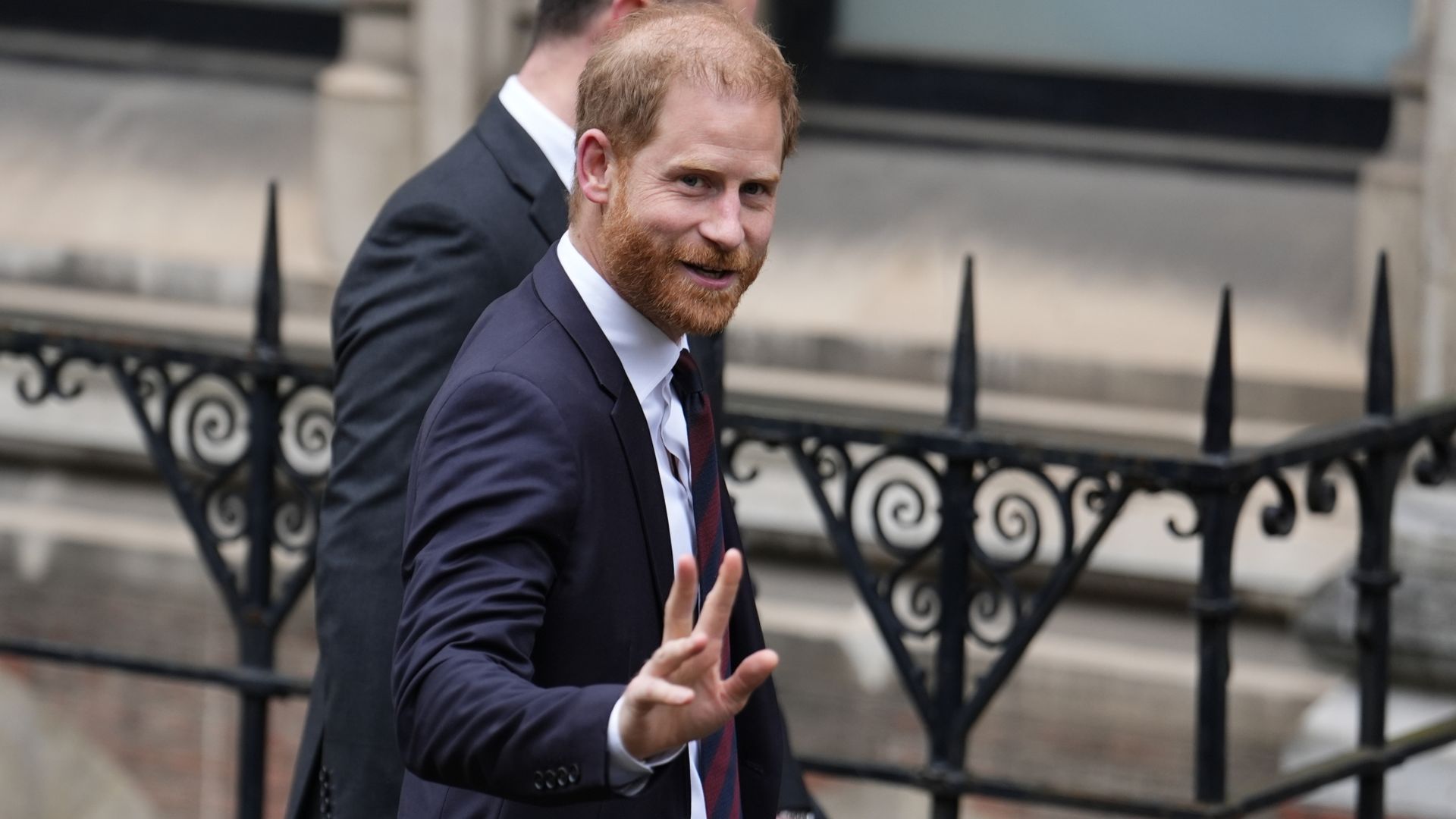
The Duke will be in London to attend a high-profile legal proceeding at the Royal Courts of Justice in central London. The trial involves allegations of unlawful information gathering brought against Associated Newspapers Limited (ANL), a matter that has drawn considerable attention due to the involvement of several prominent public figures. Prince Harry is among seven claimants seeking justice in this case, which probes the ethical boundaries of media conduct.
The Legal Battle and Its Stakes
The trial, now in its fourth day, features a group of claimants including not only Prince Harry but also Baroness Doreen Lawrence, Sir Elton John, David Furnish, Liz Hurley, Sadie Frost, and Sir Simon Hughes. These individuals allege that ANL engaged in unlawful information gathering practices, triggering a crucial debate about press ethics, privacy, and accountability.
Prince Harry’s involvement in the case is particularly notable given his well-documented struggles with invasive media coverage. His personal experiences with the press, including allegations of harassment and privacy breaches, have shaped his public advocacy for privacy rights and reform in media regulation.
The Duke’s presence at the Royal Courts of Justice marks a public stance against unethical press practices, aligning him with other high-profile figures who have suffered from similar invasions of privacy. This legal fight is not only about redress for past wrongs but also about setting a precedent for future media conduct in the UK.
Why Prince Harry’s Visit Matters
Prince Harry’s solo stay at Buckingham Palace and his active role in the court case carry broader implications for the British monarchy and public perception. His visit reflects ongoing tensions between maintaining royal traditions and addressing modern challenges such as media intrusion and individual privacy.
By choosing to stay at Buckingham Palace alone, the Duke emphasizes his distinct position within the royal family—neither fully integrated nor completely estranged. This nuanced stance may signal a desire to engage with royal institutions on his own terms while continuing to advocate for personal causes.
Furthermore, the legal battle highlights a growing awareness and resistance against unethical journalism in the UK. Prince Harry’s involvement brings heightened visibility to these issues and could influence public opinion and future legislative efforts aimed at protecting privacy rights.
Looking Ahead: What This Visit Indicates
Prince Harry’s upcoming presence in London, centered on a pivotal court case and marked by his solitary residence at Buckingham Palace, illustrates a complex chapter in his ongoing relationship with the monarchy and the media. His visit serves as a reminder of the evolving nature of royal roles in the 21st century, especially as public figures demand greater respect for privacy and accountability.
As the trial progresses, the outcome may have lasting effects not only on the claimants involved but also on the broader landscape of media regulation in the UK. Prince Harry’s stand against unlawful information gathering reinforces his commitment to privacy rights and signals a continuing effort to redefine his connection to both the royal family and the public.
While the details of his visit remain focused on legal proceedings, this moment offers insight into the personal and institutional shifts taking place within the British monarchy and its interactions with the media world.