

Prince William marked a special milestone this year, celebrating his 44th birthday on Father’s Day. The occasion was made even more meaningful as his wife, Catherine, Princess of Wales, and their children showered him with heartfelt admiration, affectionately calling him the “best papa in the world.”
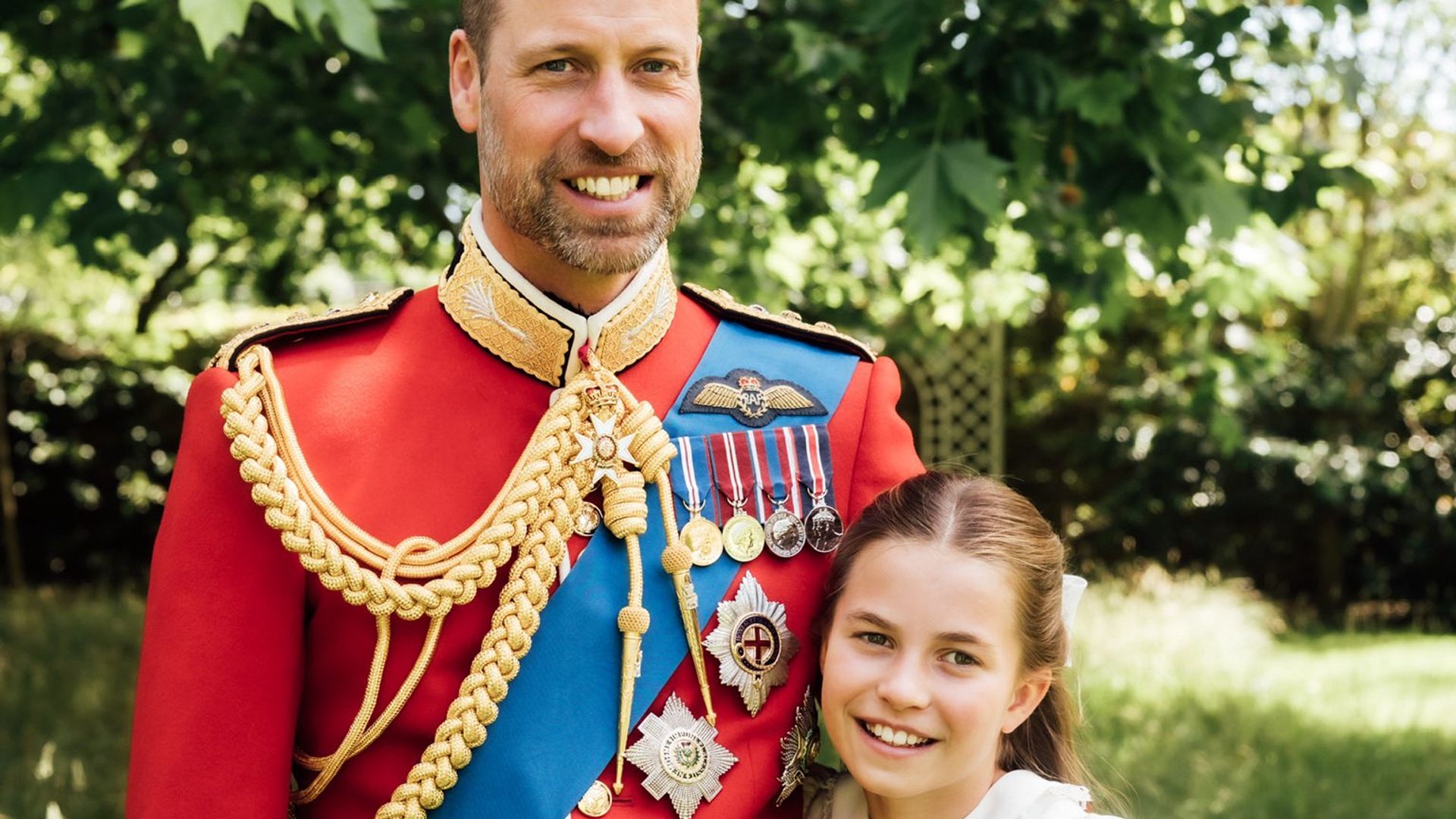
Celebrating a Royal Father on a Meaningful Day
Turning 44 on Father’s Day underscores the dual role Prince William embraces daily—as a senior member of the British royal family and a devoted father to his three children. His birthday coinciding with this day dedicated to fatherhood amplifies the public’s interest in his family life and parenting style.
William and Catherine have been widely admired for their approach to raising their children, Prince George, Princess Charlotte, and Prince Louis, blending royal tradition with modern parenting values. Their open yet private family moments often reflect warmth and genuine affection, which resonates deeply with people around the world.
Why the Title “Best Papa in the World” Resonates
The phrase “best papa in the world” is more than just a sweet greeting; it symbolizes the strong bond between Prince William and his children. This affectionate title highlights the prince’s active involvement in his children’s lives, from attending school events to sharing outdoor adventures, demonstrating a hands-on parenting style rarely seen in previous royal generations.
William’s role as a father has evolved into a defining aspect of his public persona. Unlike earlier royals who maintained distance from family life in public, William openly embraces his responsibilities, emphasizing the importance of nurturing and presence. This evolution reflects broader societal changes, where fathers are increasingly recognized for their emotional involvement and caregiving.
The Impact of Prince William’s Parenting on the Royal Family
Prince William’s commitment to his family has set a new standard within the royal household. Alongside Catherine, he has prioritized providing a stable and loving environment for their children, which contrasts with the more formal and often scrutinized upbringing of past royals.
The couple’s parenting approach has also influenced public perceptions of the monarchy. By showcasing their genuine affection and dedication, they humanize the royal image, making it more relatable to everyday families. This connection helps sustain public support and interest in the monarchy’s future.
Moreover, William’s fatherhood journey aligns with his broader role as a future king, preparing him to represent modern values while respecting tradition. His ability to balance these roles effectively shapes the monarchy’s adaptation to contemporary society.
Looking Ahead: What This Means for the Royal Family
Prince William’s 44th birthday on Father’s Day serves as a reminder of the evolving nature of royal responsibilities. His celebrated status as a loving father enhances his role as a future monarch who embodies both duty and empathy.
As William and Catherine continue to raise their children in the public eye, their example will likely influence future royal generations. Their emphasis on family, emotional openness, and modern parenting practices signals a shift toward a more approachable monarchy.
In the years ahead, Prince William’s dedication to fatherhood and family life will remain a cornerstone of his legacy. His recognition as the “best papa” not only honors his personal qualities but also reflects a broader cultural appreciation for involved and caring fathers worldwide.