

The Princess of Wales has taken a hands-on role in advancing early childhood development by engaging directly with children participating in groundbreaking brain research. Her visit to the University of East London (UEL) highlighted the critical influence of early life experiences on brain function, underscoring her ongoing commitment to improving support for young families.
Engaging with Young Participants in Innovative Brain Studies
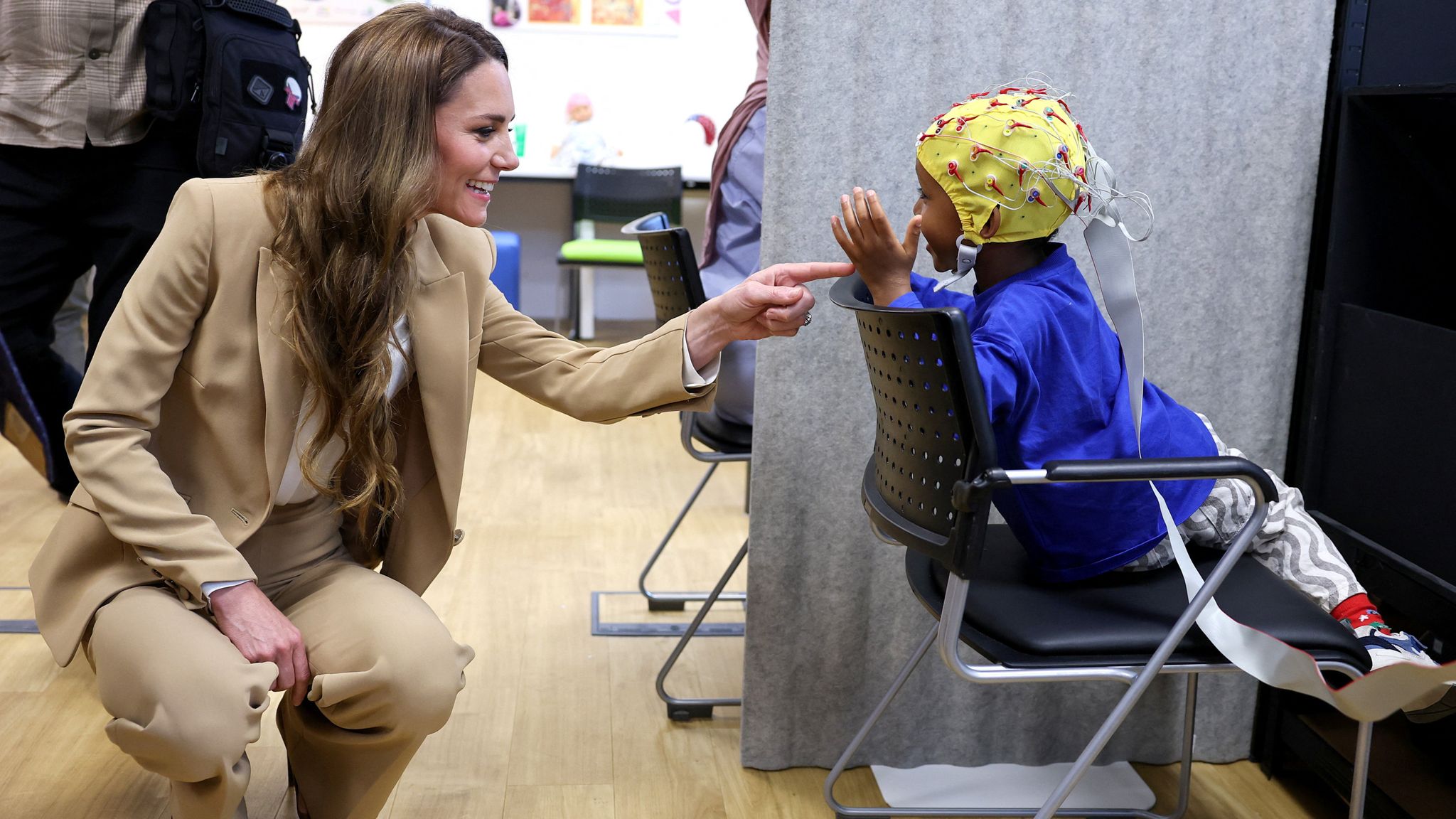
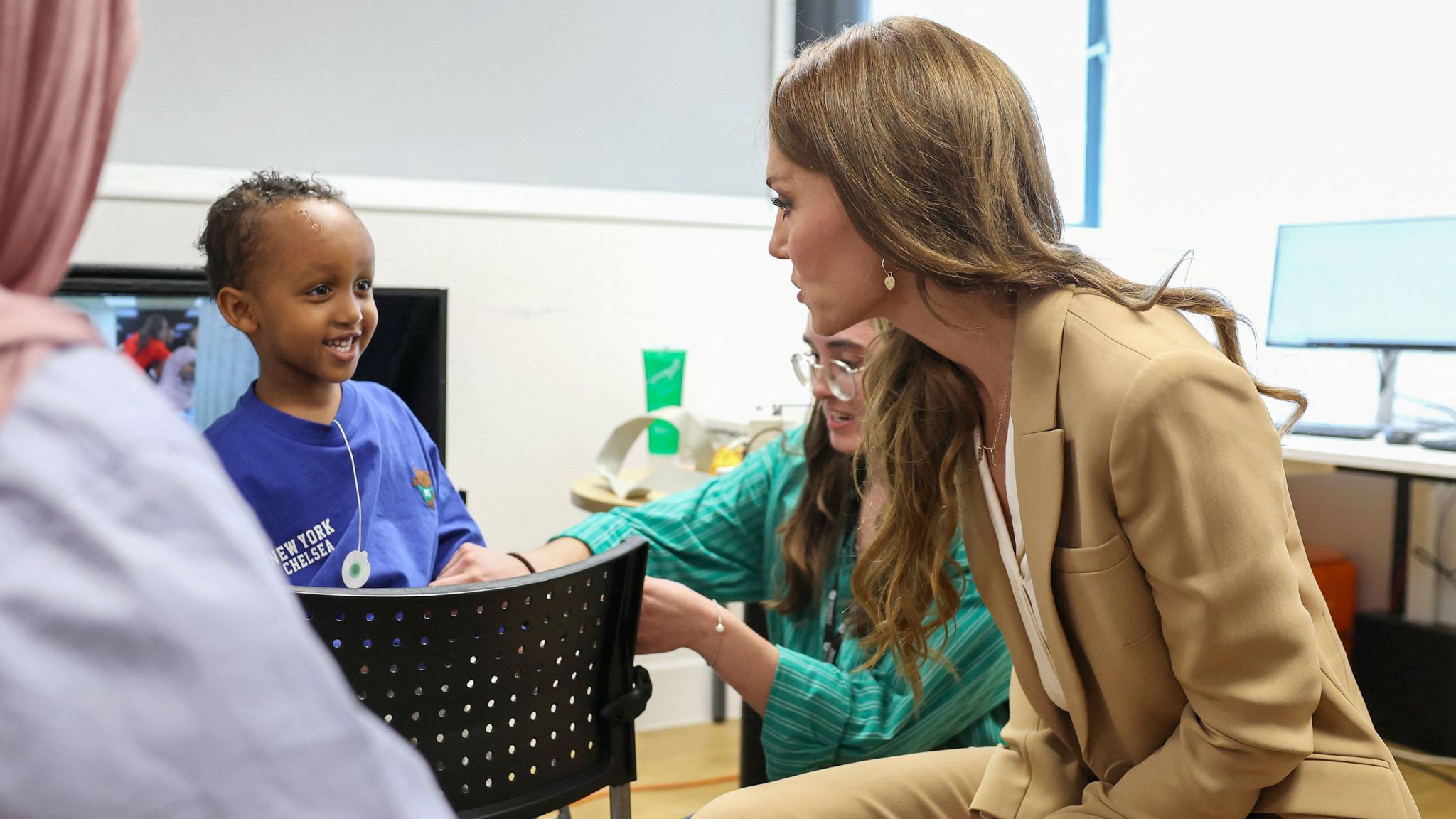
During her visit to UEL, Kate met three-year-old Mikail and his mother, Safia, in the university’s “magic box” room—an innovative space designed to facilitate interaction while using cutting-edge brain recording technology. This setup tracks how environmental factors impact early childhood stress and development.
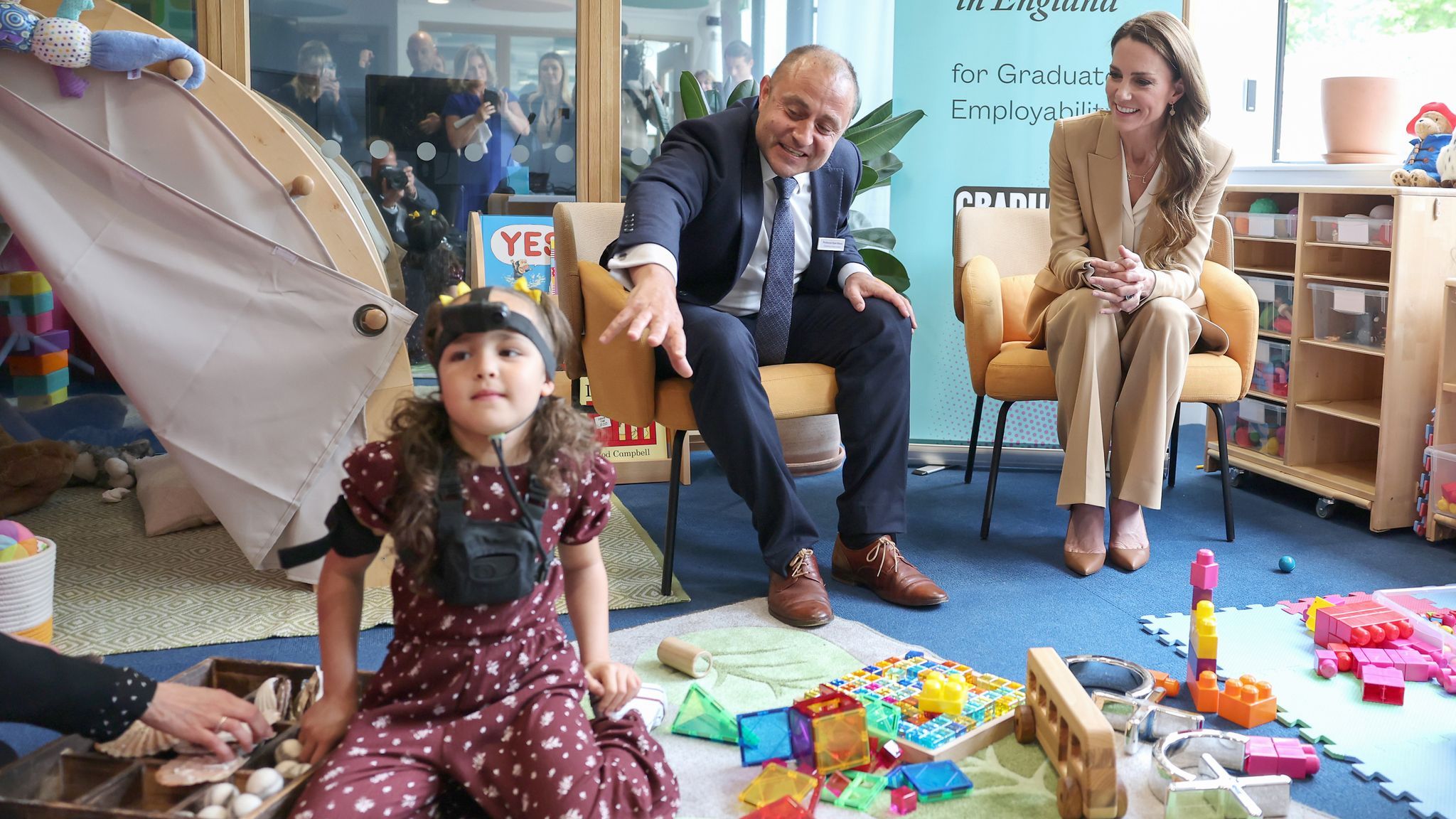
Accompanied by Professor Amanda Broderick, vice chancellor of UEL, the princess observed Mikail as he completed interactive activities through a screen that allowed him to play games remotely with his mother. After the session, Kate engaged warmly with the toddler, asking, “Was that fun? Did you enjoy doing that?”
Mikail, wearing a yellow cap equipped with sensors for the experiment, expressed some discomfort, telling the princess, “It’s hurting,” but he quickly smiled and added, “It’s tickling me.” Kate’s gentle concern and playful questions about the headset’s feel helped put the child at ease, illustrating her natural rapport with young children.
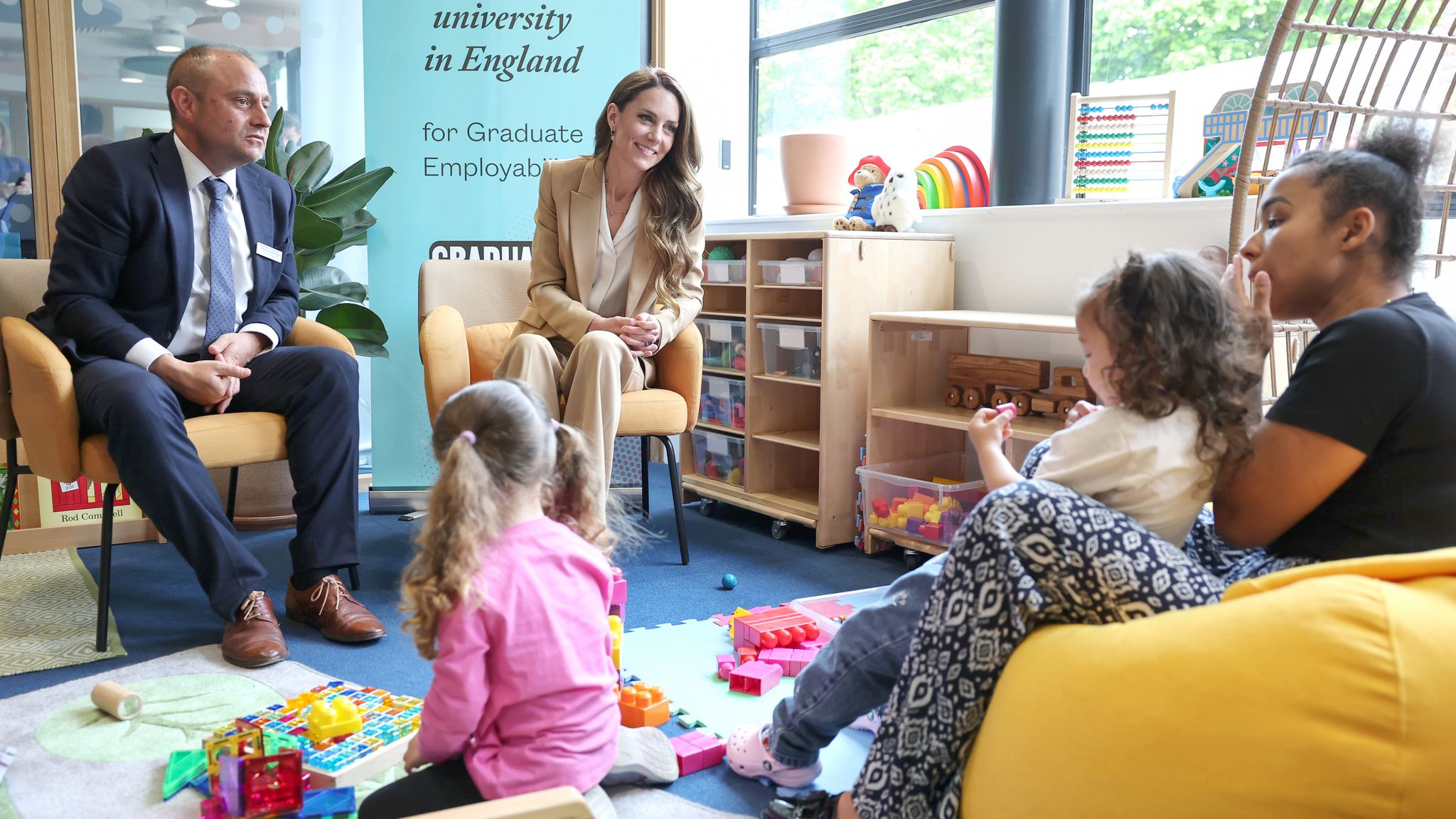
In a nearby room, the princess also met Ashleigh and her three children—Ella, aged five, Ava, two, and Mia, one—where she praised Ashleigh’s parenting efforts. Joined by Professor Sam Wass, director of the institute, Kate emphasized the importance of accessible guidance for families, stating, “What we are really hoping to do is try and make that easier for families, for mums and all parents, really, to try and have access to that really important information and that guidance but in a more agile and tangible way.”
Launching a Landmark Guide to Support Early Childhood Development
The princess’s visit coincided with the release of a new, comprehensive resource from her Royal Foundation Centre for Early Childhood. The 109-page Foundations for Life helpbook offers vital insights for professionals working with babies, young children, and their families, focusing on how responsive and nurturing relationships shape lifelong health and wellbeing.
Founded in 2021 by Kate, the Centre for Early Childhood aims to raise public awareness about the profound impact of early years experiences and to fund pioneering research in this field. This guide represents a milestone in the centre’s mission to bridge scientific knowledge with practical support for families and caregivers.
Preparing for Her First Overseas Royal Visit Since Cancer Treatment
In a significant step forward in her public duties, the Princess of Wales will shortly embark on her first overseas royal tour since completing cancer treatment. Scheduled for 13 to 14 May, she will visit Reggio Emilia, a city in northern Italy, to deepen her understanding of early childhood education practices.
During this two-day visit, Kate will explore the Reggio Emilia Approach, an influential educational philosophy that views children as active constructors of their own learning and development. This approach aligns closely with her advocacy for empowering families and improving early childhood outcomes globally.
Why This Matters for Families and Society
The Princess of Wales’s involvement in early childhood brain research and education initiatives spotlights a crucial period often overlooked in public policy—early years development sets the foundation for physical health, emotional wellbeing, and cognitive abilities throughout life. By championing research and practical resources, Kate is driving progress in how society supports parents and children during this formative stage.
Her visit to the University of East London and the forthcoming Italian trip underscore a global commitment to evidence-based approaches that can help reduce stress and improve developmental outcomes from infancy onward. This work not only benefits individual families but also has the potential to transform educational systems and healthcare frameworks worldwide.
As the princess continues to balance personal health challenges with her public role, her active engagement in early childhood initiatives serves as a powerful reminder of the impact that dedicated leadership can have on the lives of the youngest and most vulnerable.