

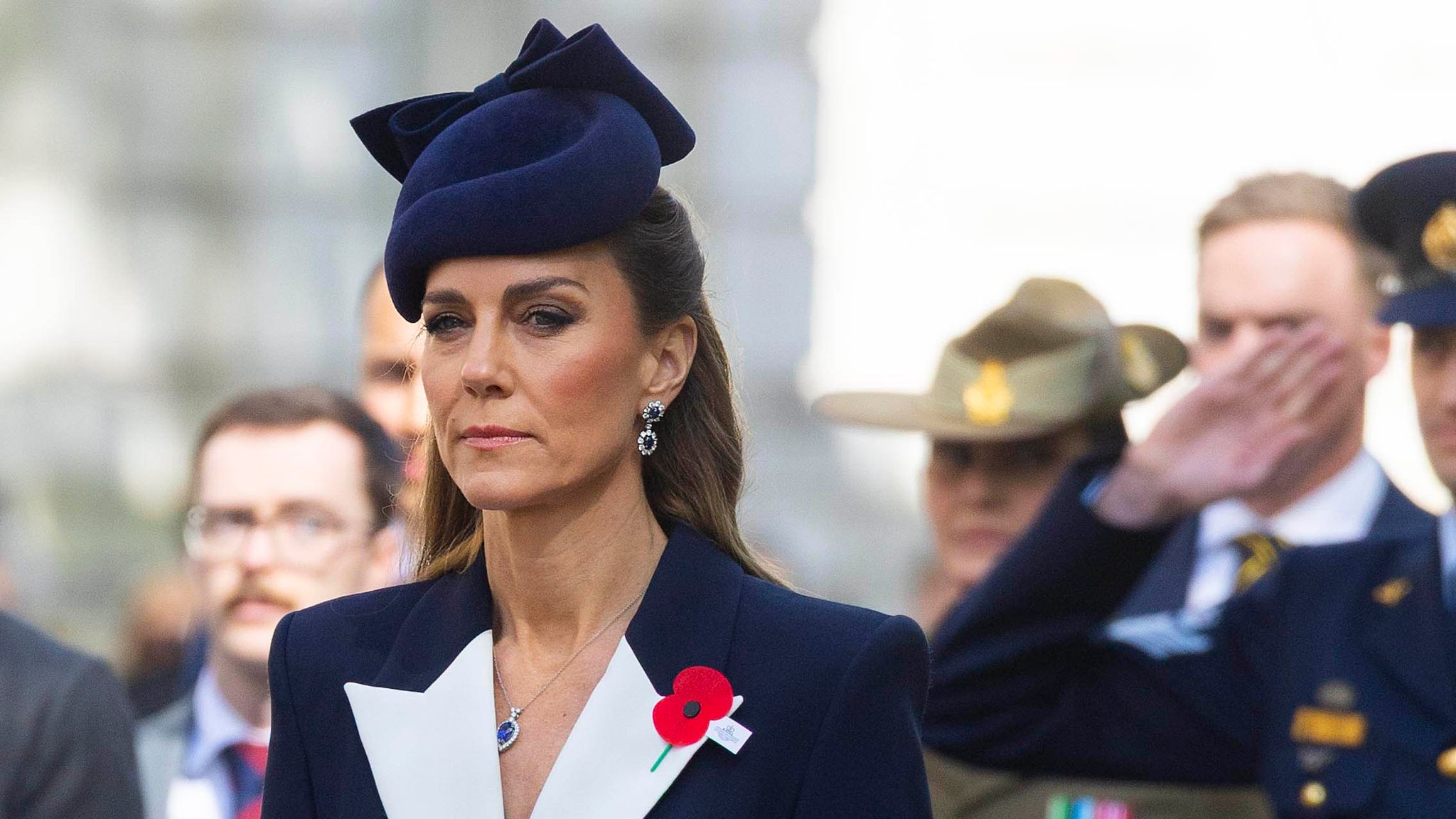
The Princess of Wales solemnly laid a wreath at the Cenotaph in London to commemorate Anzac Day, a significant day honoring the Australians and New Zealanders who sacrificed their lives in military conflicts. This poignant gesture reflects the enduring connection between the United Kingdom and the ANZAC nations, emphasizing remembrance and respect for those who fought for freedom.
Marking Anzac Day: The Ceremony and Its Symbolism
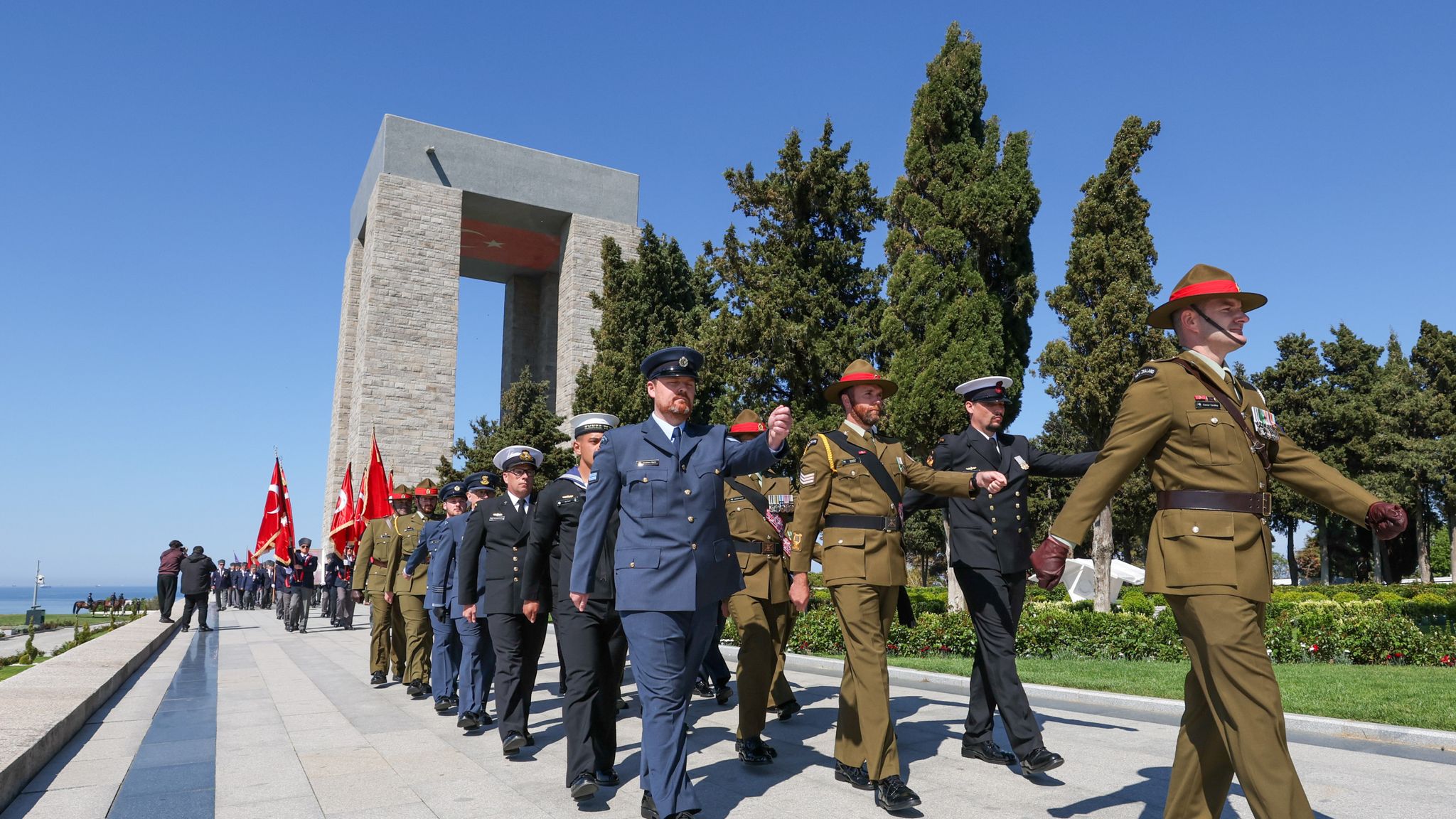
On April 25th, Anzac Day ceremonies take place worldwide to honor the Australian and New Zealand Army Corps (ANZAC) troops who landed at Gallipoli, Turkey, in 1915 during the First World War. The campaign began at dawn, representing a defining moment in military history and national identity for both nations.
At the Cenotaph, the Princess of Wales attached a wreath bearing a heartfelt message signed by her: “In memory of the Australian and New Zealand soldiers who made the ultimate sacrifice for our freedom.” This tribute encapsulates the solemn respect paid to those who gave their lives defending liberty and peace.

Following her wreath laying, she attended a service of commemoration and thanksgiving at Westminster Abbey, further highlighting the UK’s dedication to remembering ANZAC contributions. Meanwhile, in London’s early morning hours, Princess Anne participated in a dawn service at Wellington Arch, Hyde Park Corner. At 5 a.m., she laid a wreath as the event featured a poignant reading of John McCrae’s iconic poem In Flanders Fields, a staple in remembering fallen soldiers.
Global Ceremonies and Unrest at Australian Commemorations
Across the globe, Anzac Day ceremonies were held not only in the UK but also in key locations like Gallipoli itself and Villers-Bretonneux, a village in France where Australian forces famously defended during World War I. These gatherings serve as powerful reminders of the sacrifices made and the historical significance of ANZAC troops in shaping modern military and national identities.
In Australia, however, some Anzac Day services were marred by disruptions. Small groups booed during Welcome to Country ceremonies—indigenous-led acknowledgments of traditional lands—at events in Melbourne, Perth, and Sydney. The disruptions sparked controversy, though larger crowds responded with applause and cheers, reaffirming respect for the ceremonies.
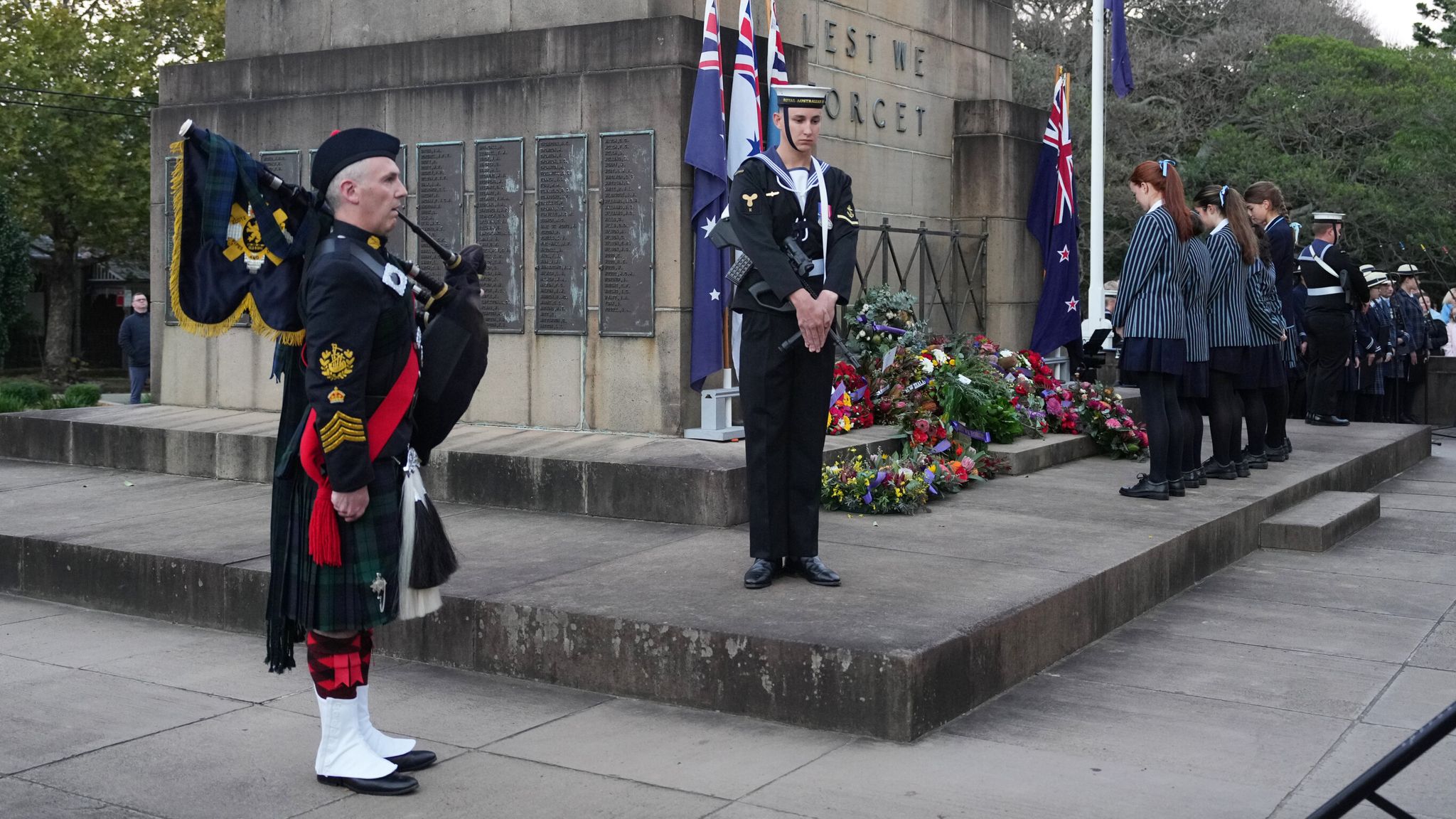
In Sydney, police arrested a 24-year-old man for what they described as an “alleged act of nuisance,” while several others were escorted away. Authorities emphasized these incidents involved only a small minority amidst approximately 11,000 attendees, underscoring the overwhelming support for the day’s solemn observances.
Official Responses and the Importance of Respect
Australia’s Defence Minister Richard Marles condemned the disruptions, labeling the booing as “deeply disgraceful” and contrary to the spirit of Anzac Day. His remarks spotlight the ongoing tensions surrounding indigenous rights and the importance of maintaining unity and respect during national commemorations.
The Royal Family’s official social media accounts also paid tribute by sharing historic images of ANZAC troops traveling to Gallipoli, accompanied by the caption “Lest we forget,” reinforcing the enduring legacy and sacrifice of these soldiers.
Why Anzac Day Remains Vital Today
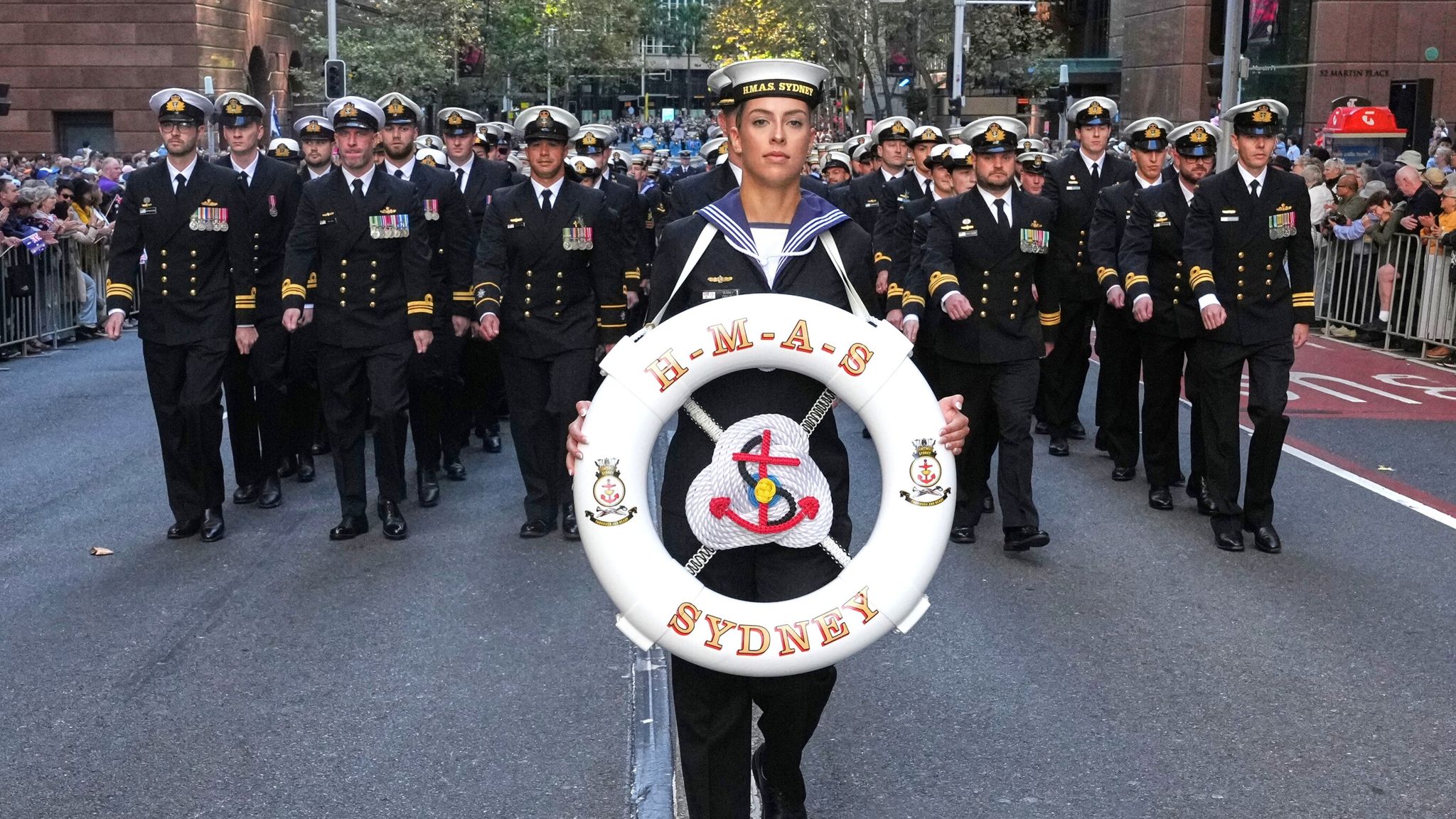
Anzac Day is more than a historical remembrance; it is a powerful symbol of courage, sacrifice, and international comradeship. For Australia, New Zealand, and the UK, it reinforces shared values and collective memory, reminding citizens of the costs of war and the importance of peace.
Despite challenges such as the disruptions witnessed in Australia, Anzac Day continues to unite communities in honoring those who fought and died in conflicts spanning generations. The participation of members of the British Royal Family adds a layer of solemnity and international recognition, strengthening bonds between these nations.
As the world reflects on Anzac Day each year, the message remains clear: the sacrifices of the past must never be forgotten, and respect for all cultures and histories involved in these commemorations must be upheld.
Looking ahead, the steadfast remembrance embodied by events like Anzac Day serves as a reminder to foster understanding, honor those who served, and strive for a peaceful future.