

A bold pro-Palestine activist captured national attention by scaling the iconic tower that houses Big Ben and perching on a narrow ledge for nearly 17 hours. Despite the dramatic nature of the protest and the disruption caused, the demonstrator has remarkably evaded a jail sentence.
The Dramatic Protest at the Heart of London
The protester’s climb took place on one of London’s most recognizable landmarks, the clock tower of the Palace of Westminster, home to the Houses of Parliament. This structure, often colloquially called Big Ben (though technically that name refers to the bell), stands as a potent symbol of British governance and history. By choosing this site, the activist ensured maximum visibility for their pro-Palestine message.
For almost 17 hours, the protester remained precariously seated on a narrow ledge high above the city streets, drawing the eyes of passersby, media, and officials alike. The stunt not only posed significant safety risks but also caused considerable disruption, necessitating a coordinated response by emergency services to ensure the individual’s safe removal.
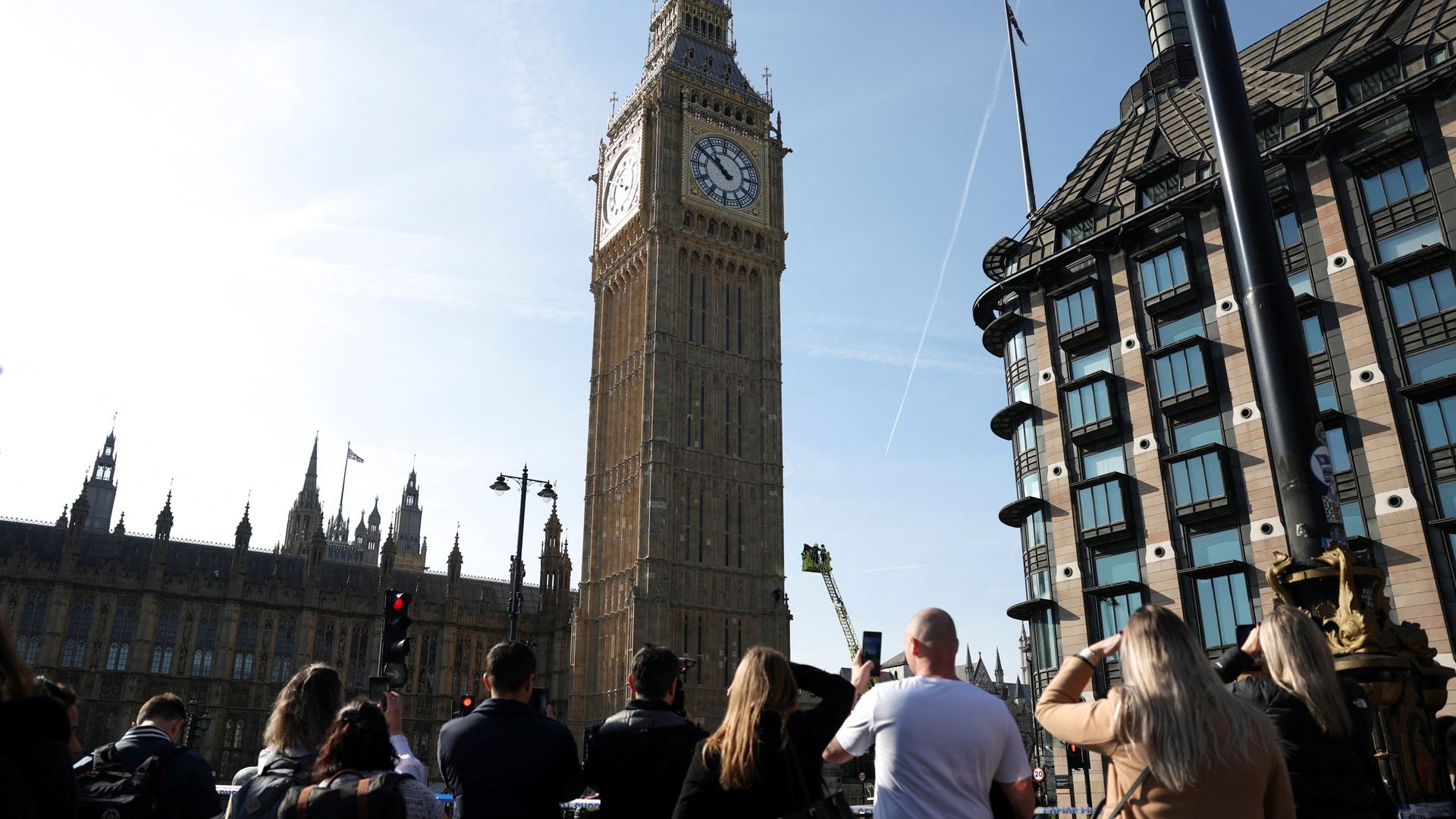
Such protests at symbolic locations are designed to amplify political messages and force public and governmental attention. This action came amid ongoing global tensions related to the Israeli-Palestinian conflict, underscoring the enduring passion and urgency felt by activists worldwide.
Legal Outcome: Avoiding Incarceration
Following the high-profile incident, the demonstrator faced legal proceedings. Authorities charged the individual with offenses related to trespassing and public safety violations. However, in a decision that surprised many observers, the court opted against imposing a custodial sentence.
The judge’s ruling reflected a balance between acknowledging the unlawful nature of the protest and recognizing mitigating factors such as the protester’s intentions and conduct during the event. Instead of jail time, the court likely considered alternative penalties, possibly including fines, community service, or restraining orders to prevent recurrence.
This outcome highlights the complexities courts face when adjudicating politically motivated protests, especially those involving non-violent civil disobedience in prominent public spaces.
Why This Protest Matters
The protest at Big Ben illustrates the lengths to which activists will go to spotlight the Palestinian cause. The ongoing conflict between Israel and Palestine remains one of the most contentious and emotionally charged international issues, sparking demonstrations around the globe.
By targeting a landmark synonymous with British political power, the protester aimed to pressure policymakers and the public to pay closer attention to the conflict’s humanitarian and political dimensions. It also reflects a broader trend of using dramatic, disruptive actions to break through media saturation and public apathy.
Moreover, the legal response to this protest sets an important precedent. It signals that while the justice system will act against unlawful behavior, it may also exercise leniency when faced with sincere political expression, especially when no harm is caused to others.
Looking Ahead: The Impact of Symbolic Protests
Symbolic protests like this one serve as a reminder of the power of peaceful civil disobedience to challenge established norms and bring urgent issues to the forefront. While the protester avoided jail, the incident has sparked debate about how authorities should balance security with the right to protest, particularly in sensitive political contexts.
For the pro-Palestine movement, this event may inspire further activism, encouraging individuals to adopt creative and visible methods to make their voices heard. For policymakers, it underlines the persistent public demand for engagement with complex international conflicts.
Ultimately, this protest and its aftermath highlight the enduring tension between security, free expression, and political advocacy in democratic societies.
Takeaway: The Big Ben protest underscores the significant impact that determined activism can have, especially when it harnesses iconic symbols to amplify a global cause. As political tensions persist worldwide, such acts of civil disobedience will continue to challenge governments and societies to respond thoughtfully and justly.