This year’s Victory Day parade in Moscow unfolded in a markedly subdued fashion, signaling a significant shift from the grand military displays traditionally used by the Kremlin to showcase Russia’s power. Observers immediately noticed the scaled-back format: fewer international dignitaries, reduced media presence, and most strikingly, the absence of the usual heavy military hardware on display.
What Changed at This Year’s Victory Day Parade?
Victory Day, held annually on May 9, commemorates the Soviet Union’s victory over Nazi Germany in World War II. The event typically features a spectacular military parade on Red Square, complete with tanks, rocket launchers, intercontinental ballistic missiles, and thousands of troops marching in formation. These elements serve not only as a tribute to history but also as a deliberate demonstration of Russian military might to the world.
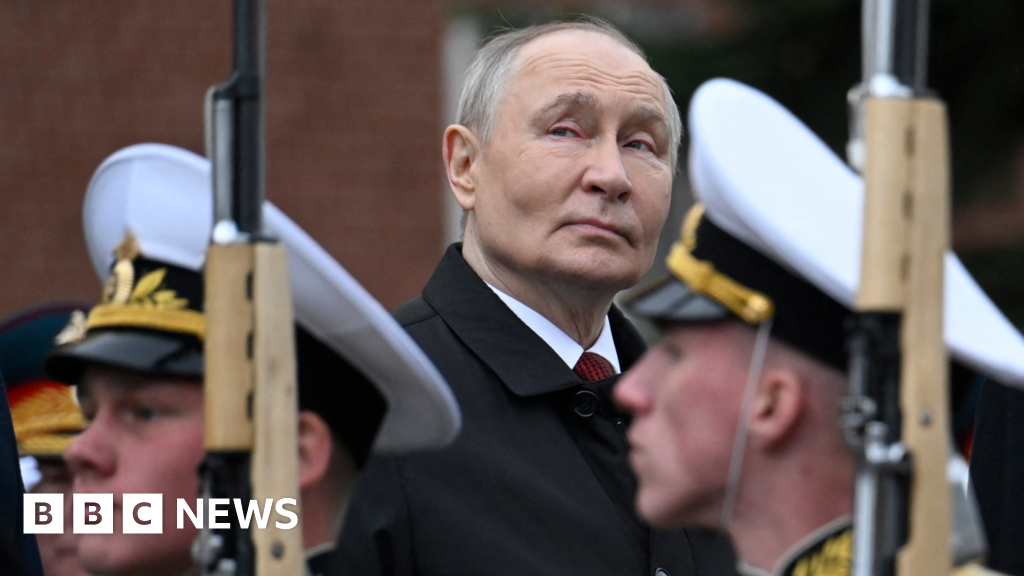
However, in 2024, the parade was notably different. The Kremlin drastically reduced the scale of the event, opting not to showcase any heavy weaponry or advanced military vehicles. Instead, the parade focused on infantry troops, military bands, and ceremonial elements, stripping away the intimidating display of firepower that usually defines the occasion.
Attendance was also affected. The stands that typically fill with high-ranking officials, foreign dignitaries, and journalists were sparsely occupied. Several world leaders who might have traveled to Moscow in past years chose not to attend, reflecting the heightened geopolitical tensions surrounding Russia.
Why Was the Parade Scaled Back?
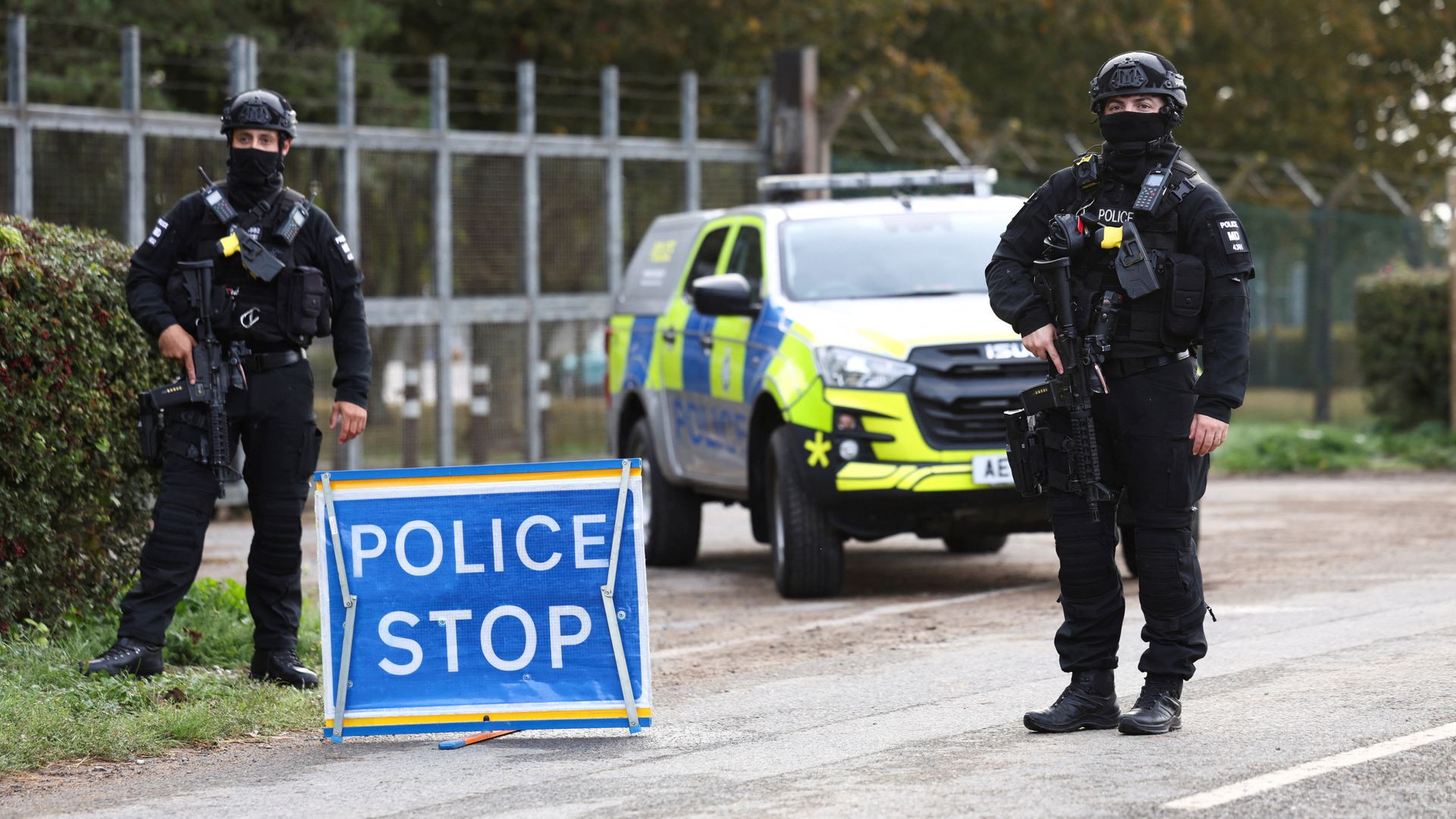
The Kremlin cited security concerns as the primary reason for the pared-down event. Intelligence suggested that Ukrainian forces might target Red Square with drone attacks amid ongoing conflict in eastern Ukraine. This threat prompted Russian authorities to limit the parade’s scope to reduce potential targets and vulnerabilities.
For President Vladimir Putin, scaling back the Victory Day parade was likely a difficult decision. The event is carefully choreographed each year to project strength and unity, reinforcing Russia’s image both domestically and internationally. Yet, the credible risk of an attack forced a strategic retreat from this usual display of power.
In an unexpected diplomatic development, a last-minute ceasefire brokered by former U.S. President Donald Trump between Moscow and Kyiv helped to de-escalate immediate threats. Following this agreement, Ukraine’s President Volodymyr Zelensky issued a formal decree permitting Russia to hold the parade, signaling a rare moment of cooperation amid ongoing conflict.
What This Means for Russia and the Wider Conflict
The altered Victory Day parade carries significant symbolism. Victory Day is one of Russia’s most important national holidays, deeply tied to patriotism and military pride. By scaling back the event, the Kremlin acknowledged the realities of current security risks and the sensitive geopolitical environment.
This year’s parade also highlights how the ongoing conflict with Ukraine continues to shape Russia’s domestic and international posture. The absence of heavy military equipment from the parade suggests a cautious stance, possibly reflecting concerns about Russia’s military capabilities or vulnerabilities in the current conflict.
Moreover, the reduced presence of foreign leaders and media underscores Russia’s growing isolation on the world stage. Victory Day has traditionally been an opportunity for Moscow to demonstrate its alliances and global influence. The quieter event this year signals challenges in maintaining that image.
Looking ahead, the subdued parade may foreshadow further shifts in Russia’s approach to both military diplomacy and internal messaging. It also reflects the broader uncertainty surrounding the conflict in Ukraine, where ceasefires and escalations remain unpredictable.
Closing Takeaway
The 2024 Victory Day parade in Moscow was unlike any in recent memory, stripped of its usual grandeur due to genuine security threats amid the Russia-Ukraine conflict. While the event passed without incident, the scaled-back nature revealed cracks in the Kremlin’s ability to project unassailable strength. As Russia navigates ongoing tensions, this pared-back parade serves as a potent reminder of how military spectacle, geopolitical realities, and national pride intersect—and how fragile that balance can be in times of conflict.