

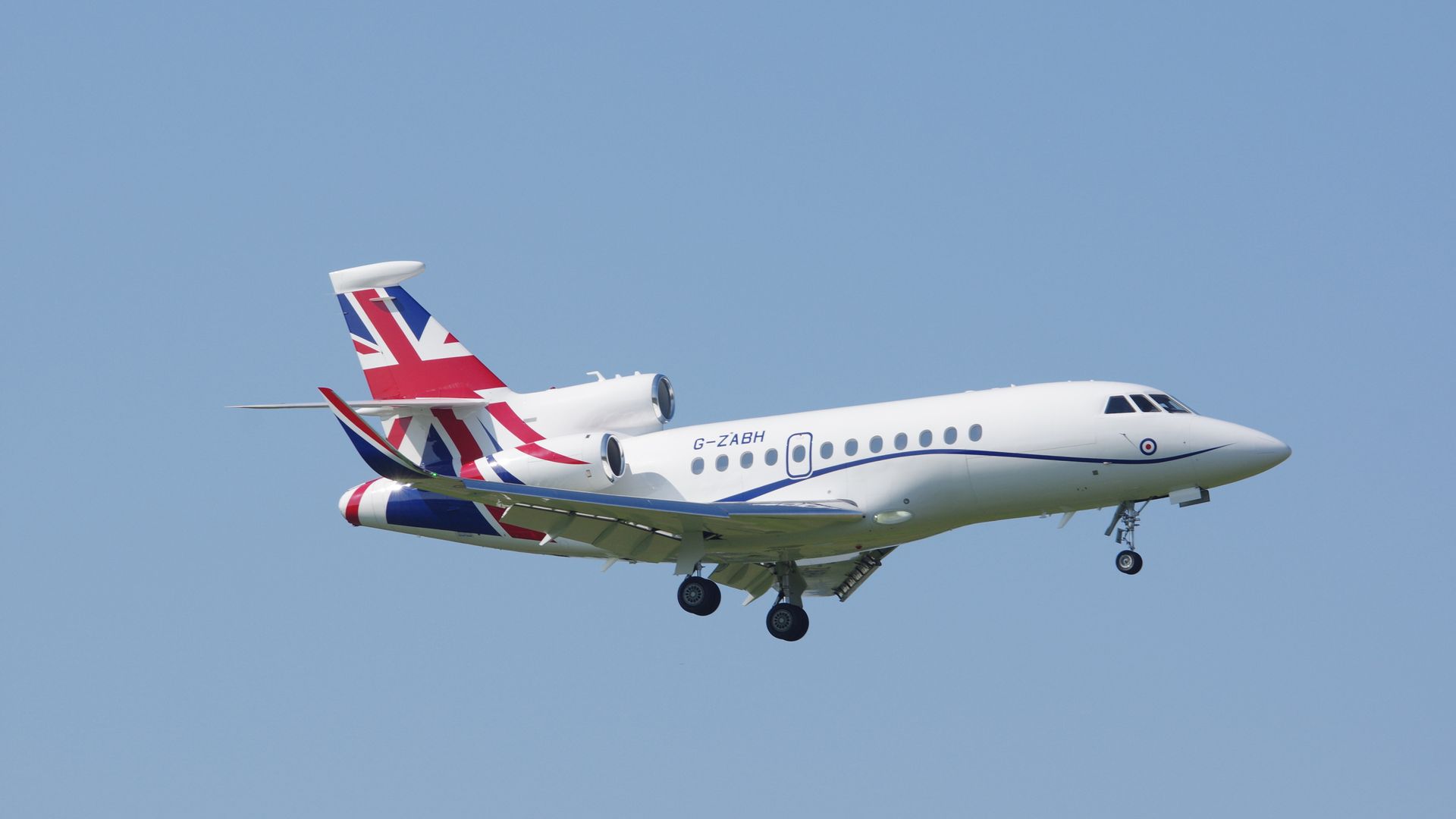
An RAF jet transporting the UK’s Defence Secretary encountered deliberate signal interference as it flew close to the Russian border, escalating tensions in an already sensitive airspace. The incident, described by a defence source as “reckless,” highlights the increasing risks faced by military aircraft operating near contentious international boundaries.
What Happened During the Flight?
The Royal Air Force aircraft was on a routine mission with the Defence Secretary aboard when its communication and navigation systems suffered signal jamming. This disruption occurred near the Russian border, a region known for heightened military vigilance and frequent electronic warfare activities.
Signal jamming involves the deliberate transmission of radio frequency signals to block or disrupt legitimate communications and radar systems. In this case, it compromised the RAF jet’s ability to maintain clear contact with ground control and navigate securely.
The Defence Secretary’s presence aboard elevated the stakes of the incident, underlining the potential diplomatic and security ramifications of such interference. The source within the defence establishment condemned the jamming as a reckless act that jeopardised the safety of a high-profile government official and the crew.
Why This Incident Matters
Signal jamming near international borders is a serious violation of accepted norms, especially when it targets military aircraft engaged in sovereign operations. Such interference not only endangers the aircraft and its occupants but also risks miscalculations that could escalate into broader conflicts.
Operations near the Russian border are particularly sensitive due to ongoing geopolitical tensions between the UK, NATO allies, and Russia. The region frequently sees military manoeuvres, electronic surveillance, and countermeasures from all parties involved. This incident underscores the ongoing electronic warfare challenges that modern militaries face in contested airspace.
Moreover, the jamming of an aircraft carrying a senior official sends a concerning message about the willingness of hostile actors to disrupt diplomatic and defence activities. It also raises questions about the adequacy of current countermeasures and the protocols in place to protect high-ranking personnel during such missions.
What Comes Next?
The UK Ministry of Defence is expected to investigate the jamming episode thoroughly to assess the extent of the interference and identify the responsible parties. While no immediate harm came to the Defence Secretary or the RAF crew, the event will likely prompt a review of operational security measures for flights near hostile territories.
This event may also influence diplomatic discussions with Russia, as it constitutes a provocative action that could be addressed through official channels to prevent future occurrences. Strengthening electronic countermeasures and enhancing situational awareness will be key priorities for the RAF and allied forces moving forward.
In addition, intelligence agencies will likely increase monitoring of electronic warfare activities in the region to better anticipate and mitigate such threats. The incident serves as a stark reminder of the complex challenges faced in maintaining security and sovereignty in contested border areas.
Takeaway: Navigating Risks in Contested Airspace
The jamming of an RAF jet carrying the Defence Secretary near the Russian border brings into sharp focus the dangers of operating in highly contested airspace where electronic warfare is a persistent threat. It exemplifies how modern conflicts extend beyond physical confrontations to include sophisticated technological tactics aimed at disrupting command and control.
As nations navigate these challenges, ensuring the safety of personnel and preserving open lines of communication will remain critical. The incident also highlights the need for robust diplomatic and military strategies to manage tensions and prevent escalation in sensitive border regions.
Full details about the investigation and any subsequent diplomatic responses have not yet been released.