

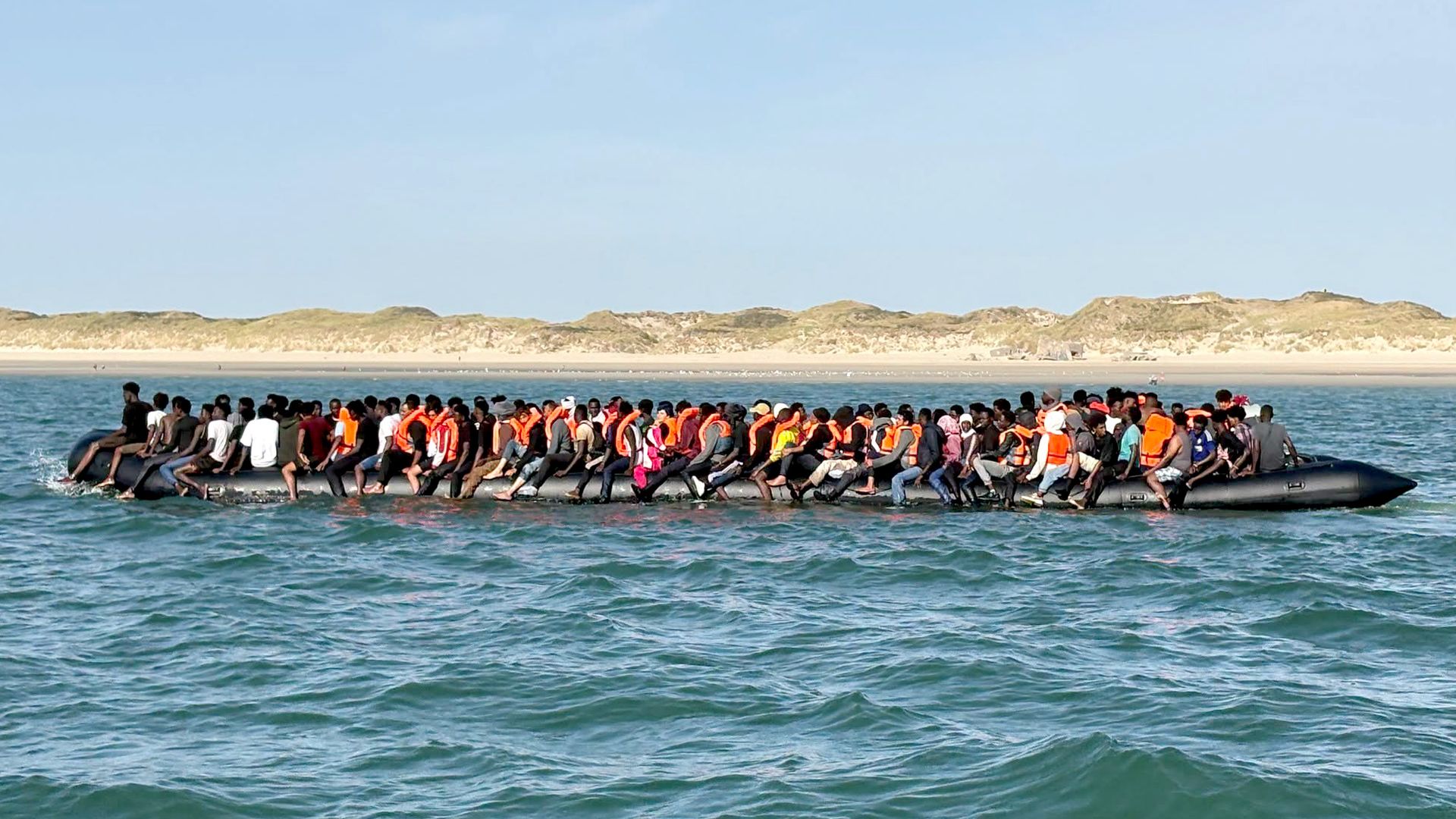
A single small boat carried a record-breaking 230 people across the English Channel on Monday, highlighting both the ongoing risks migrants face and the complex dynamics behind the recent drop in overall Channel crossings this year.
Unprecedented Channel Crossing on a Single Vessel
On Monday, authorities intercepted a boat carrying an unprecedented number of migrants attempting to cross from France to the UK. This vessel, unusually overcrowded with 230 people, marks the highest number recorded on a single boat making the perilous Channel journey.
The English Channel, a narrow yet treacherous stretch of water between southern England and northern France, has long been a hotspot for migrants seeking to reach the UK. Despite increased patrols and preventive measures, the dangerous crossings continue, often in unseaworthy vessels loaded beyond capacity.
This particular crossing underscores the desperation and determination driving migrants to risk their lives. Overcrowded boats not only magnify the physical dangers but also challenge rescue and enforcement operations, putting both migrants and coastguards at significant risk.
Why Have Channel Crossings Declined This Year?
While Monday’s overcrowded boat made headlines, the total number of migrants crossing the Channel this year has actually fallen compared to previous years. Experts attribute this decrease to several factors, including harsher weather conditions, increased law enforcement cooperation between the UK and France, and changes in migrant smuggling networks.
The joint efforts of British and French authorities have intensified patrols and surveillance along key launch points, deterring some attempts but not eliminating the risk. Additionally, the onset of colder months traditionally reduces the frequency of crossings due to rough seas and lower survival chances.
Recent diplomatic agreements have also played a role. Both governments have sought to disrupt smuggling operations and improve legal pathways for asylum seekers, aiming to reduce the incentives for dangerous Channel crossings. However, these measures have not completely stemmed the flow, as urgent humanitarian and political issues persist.
What This Means for Migrants and Policy Makers
The record single-boat crossing spotlights the ongoing human tragedy behind Channel migration. Even as overall crossings decline, the presence of dangerously overcrowded vessels signals that underlying drivers—conflict, poverty, and lack of safe asylum routes—remain unaddressed.
For migrants, the Channel remains a perilous gateway fraught with risk of drowning, hypothermia, or interception. For authorities, the challenge lies in balancing border security with humanitarian obligations. The spike in numbers on one boat also raises questions about smuggling tactics and the capacity of rescue services to respond effectively.
Moving forward, comprehensive strategies are essential. This includes expanding safe and legal migration channels, bolstering cross-border cooperation, and addressing root causes driving such risky journeys. The record crossing serves as a stark reminder that despite deterrence efforts, vulnerable people will seek dangerous routes unless viable alternatives exist.
As the UK and France continue to grapple with these complex issues, the story of Monday’s overcrowded boat emphasizes the urgent need for nuanced, compassionate policies that save lives and uphold human dignity amid ongoing migration pressures.