

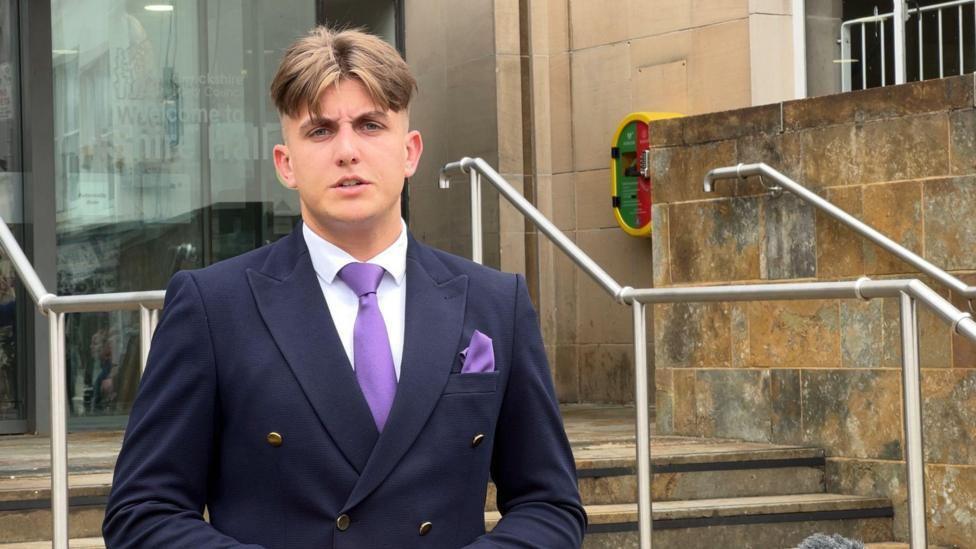
George Finch, leader of the Reform UK group on Warwickshire County Council, has narrowly escaped a no-confidence vote by just one vote. The closely contested decision unfolded during a full council meeting, highlighting deep political divisions within the local authority.
What Happened at the Warwickshire County Council Meeting?
When the vote was tallied, 26 councillors supported the motion to remove Finch, while 27 opposed it, ensuring his continued leadership. Two councillors chose to abstain, neither supporting nor opposing the motion. This razor-thin margin underscores how contentious Finch’s leadership has become within the council chamber.
Background on George Finch and Reform UK’s Role in Warwickshire
George Finch leads the Reform UK council group, which has been gaining traction as an alternative political force in Warwickshire. Reform UK, originally founded as the Brexit Party, focuses on reshaping local governance with a platform emphasizing accountability and reform. Finch’s leadership style and policy decisions have drawn both criticism and support, making him a polarizing figure.
The Green Party’s challenge reflects broader political friction in Warwickshire, where environmental priorities and progressive agendas often clash with the more conservative or reform-oriented approaches advocated by Reform UK and other parties. The no-confidence vote is a manifestation of this ongoing struggle for influence and direction within the council.
Why This Vote Matters for Warwickshire’s Future
The survival of Finch’s leadership by such a narrow margin reveals a council deeply divided over its future course. Leadership stability is crucial for effective governance, especially as Warwickshire faces complex challenges such as infrastructure development, environmental sustainability, and public services management.
If the no-confidence vote had succeeded, it could have triggered a leadership change with significant political repercussions, potentially altering policy priorities and council dynamics. Finch’s continuation means Reform UK retains a key role in steering the council’s agenda, but the close vote signals ongoing vulnerability and dissent.
For residents and stakeholders, this episode highlights the importance of local political engagement. Decisions made by the council affect everything from transportation projects to education and social care. The contentious atmosphere suggests upcoming council meetings may continue to be fraught with debate and political maneuvering.
What Comes Next?
Following this vote, George Finch faces the challenge of uniting a fragmented council and addressing the concerns raised by his opponents. Maintaining trust and demonstrating effective leadership will be essential to avoid future challenges to his position.
The Green Party and other critics are likely to continue scrutinizing Finch’s actions and policies, pushing for greater accountability and transparency. This dynamic may lead to further political confrontations as Warwickshire navigates its policy priorities amid diverse and competing interests.
Ultimately, this episode serves as a reminder of the complex nature of local governance, where leadership hinges not only on policy but also on the ability to build coalitions and manage conflicting viewpoints.
Takeaway: A Leadership Test Reflecting Warwickshire’s Political Crossroads
The no-confidence vote against George Finch was more than a simple leadership challenge—it revealed a council at a political crossroads. Finch’s narrow victory ensures continuity for now but signals a fragile mandate amid ongoing opposition.
As Warwickshire confronts pressing local issues, the council’s ability to function effectively depends on resolving these internal divisions. Stakeholders should watch closely how Finch navigates this turbulent period and whether he can transform dissent into collaborative governance for the benefit of the county.