The surge in maritime traffic around South Africa’s southwestern coast is raising alarm among marine scientists, who warn that more ships navigating these waters could lead to a significant increase in deadly whale-ship collisions. This environmental concern stems directly from shifting global shipping patterns triggered by escalating conflicts in the Middle East.
How Middle East Conflicts Altered Global Shipping Routes
Since 2023, maritime vessels traveling between Asia and Europe have increasingly bypassed the traditional, shorter routes through the Middle East. The catalyst for this change was the hijacking of a British-owned ship near Yemen by Houthi rebels, which exposed the vulnerabilities and dangers of passing through these volatile waters. The ongoing war involving the United States, Israel, and Iran has further heightened security risks, compelling shipping companies to reroute their fleets around the southern tip of Africa instead.
This detour has dramatically increased traffic near the Cape of Good Hope, a region already rich in marine biodiversity. According to the International Monetary Fund’s PortWatch report, approximately 89 commercial vessels passed this point between March and April 2024—more than double the 44 ships recorded during the same period in 2023. This steep rise in sea traffic presents new hazards not only for maritime safety but also for the region’s marine ecosystems.
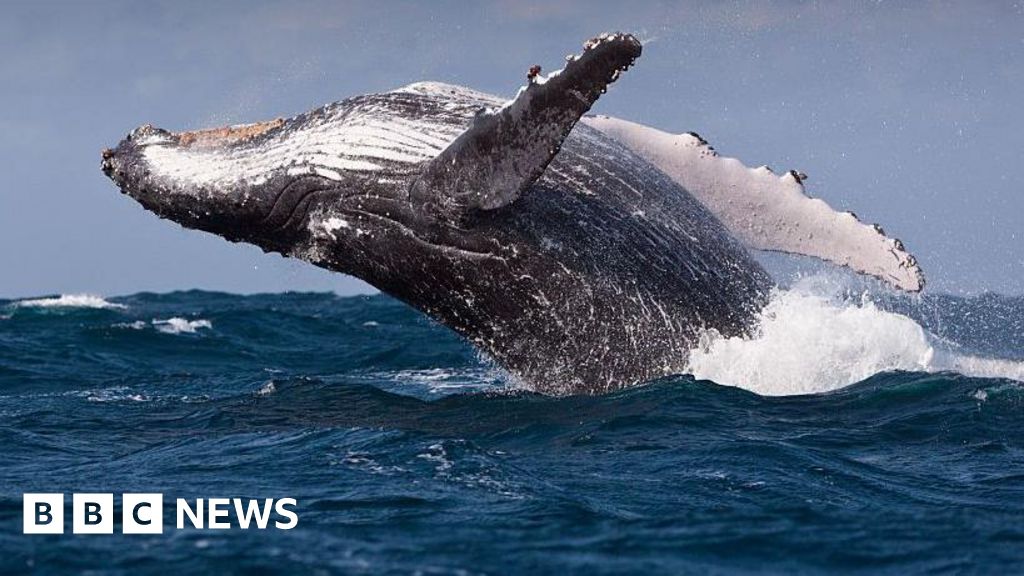
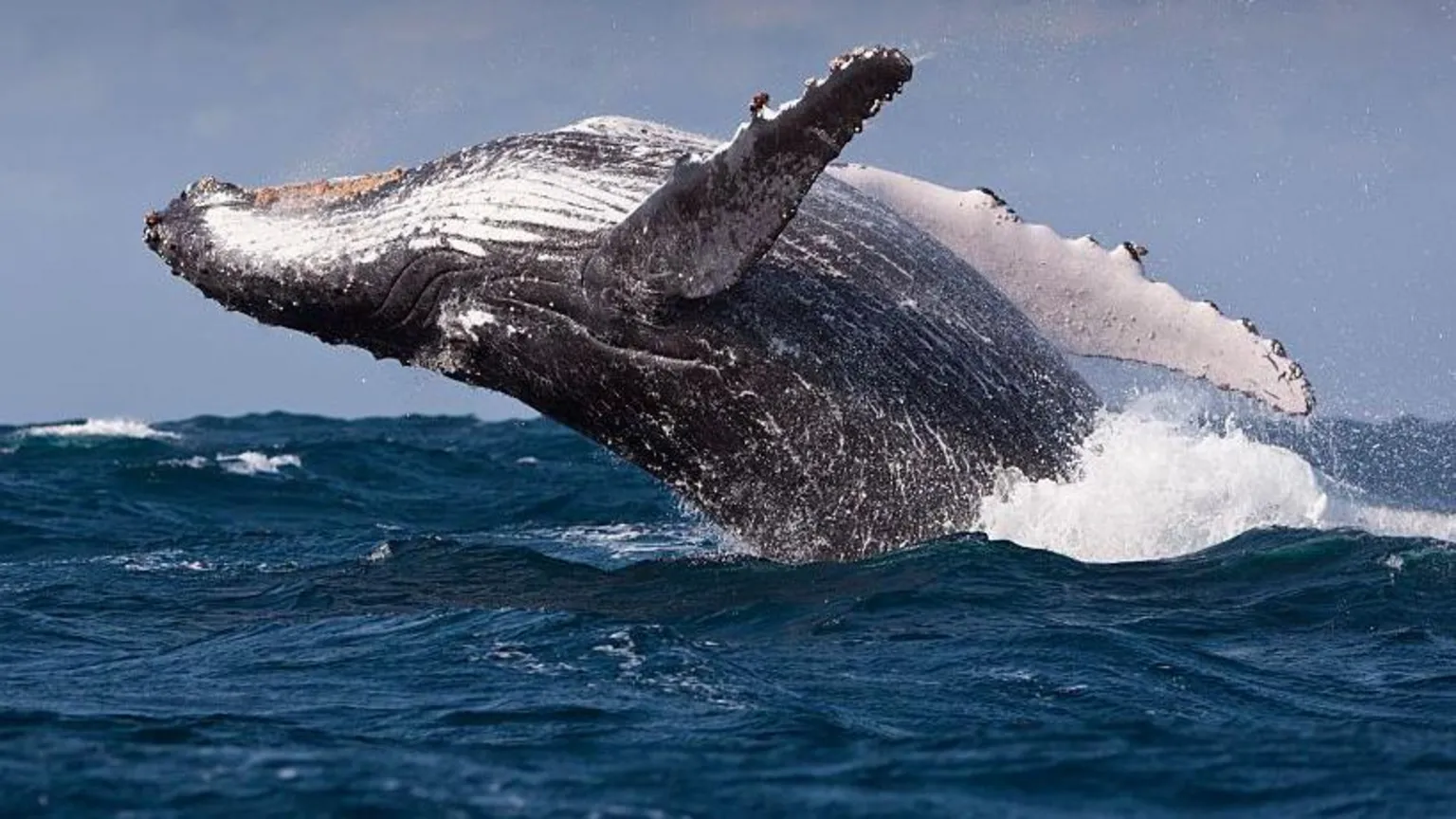
Scientists Highlight Escalating Collision Risks for Whales
Marine biologists from the University of Pretoria’s Whale Unit have been closely monitoring this troubling trend. Professor Els Vermeulen, the unit’s chief scientist, recently presented their research findings at the International Whaling Commission. Her team utilized advanced distribution models to map the habitats of various whale species around the Western Cape, overlaying these maps with updated shipping routes to identify collision hotspots.
“We’ve analyzed the spatial overlap between whale populations and maritime traffic,” Vermeulen explained. “Our models clearly indicate a heightened risk of ship strikes in areas where shipping lanes now intersect with critical whale habitats.”
Despite these insights, Vermeulen emphasized the challenge of quantifying the precise number of whales injured or killed by ships due to limited real-time monitoring data. “Current reporting systems do not capture the full extent of these incidents,” she noted, underscoring the need for improved surveillance and protective measures.
Implications for Conservation and Maritime Policy
The increased threat to whales off South Africa’s coast raises urgent questions about the balance between global trade security and environmental conservation. Whales, which are already vulnerable due to habitat loss, climate change, and previous hunting pressures, now face a new man-made danger from rerouted shipping lanes.
Maritime authorities, conservationists, and international bodies must collaborate to mitigate these risks. Potential solutions include adjusting shipping lanes away from key whale habitats, implementing speed restrictions in high-risk zones, and enhancing monitoring technologies to detect whale presence in real time. These measures could reduce fatal collisions and support the long-term health of whale populations.
The situation also highlights the far-reaching ecological consequences of geopolitical conflicts. Although rerouting ships around Africa enhances security for global trade, it inadvertently endangers marine life thousands of miles away from the Middle East turmoil. This interconnectedness demands comprehensive strategies that address both human safety and environmental protection.

Looking Ahead: Protecting Whales Amid Changing Maritime Landscapes
As global shipping continues adapting to geopolitical instability, the waters off South Africa’s southwestern coast will likely remain a critical zone for both commerce and marine wildlife. The scientific community urges swift action to monitor whale populations and re-evaluate shipping practices before irreversible damage occurs.
Understanding the complex dynamics between international conflict, maritime logistics, and ecological preservation is essential. Protecting these majestic marine mammals requires proactive policies that integrate environmental stewardship into global trade frameworks.
Increased awareness and coordinated efforts could turn the tide, ensuring that the vital shipping routes around Africa coexist sustainably with the whales that call these oceans home.