

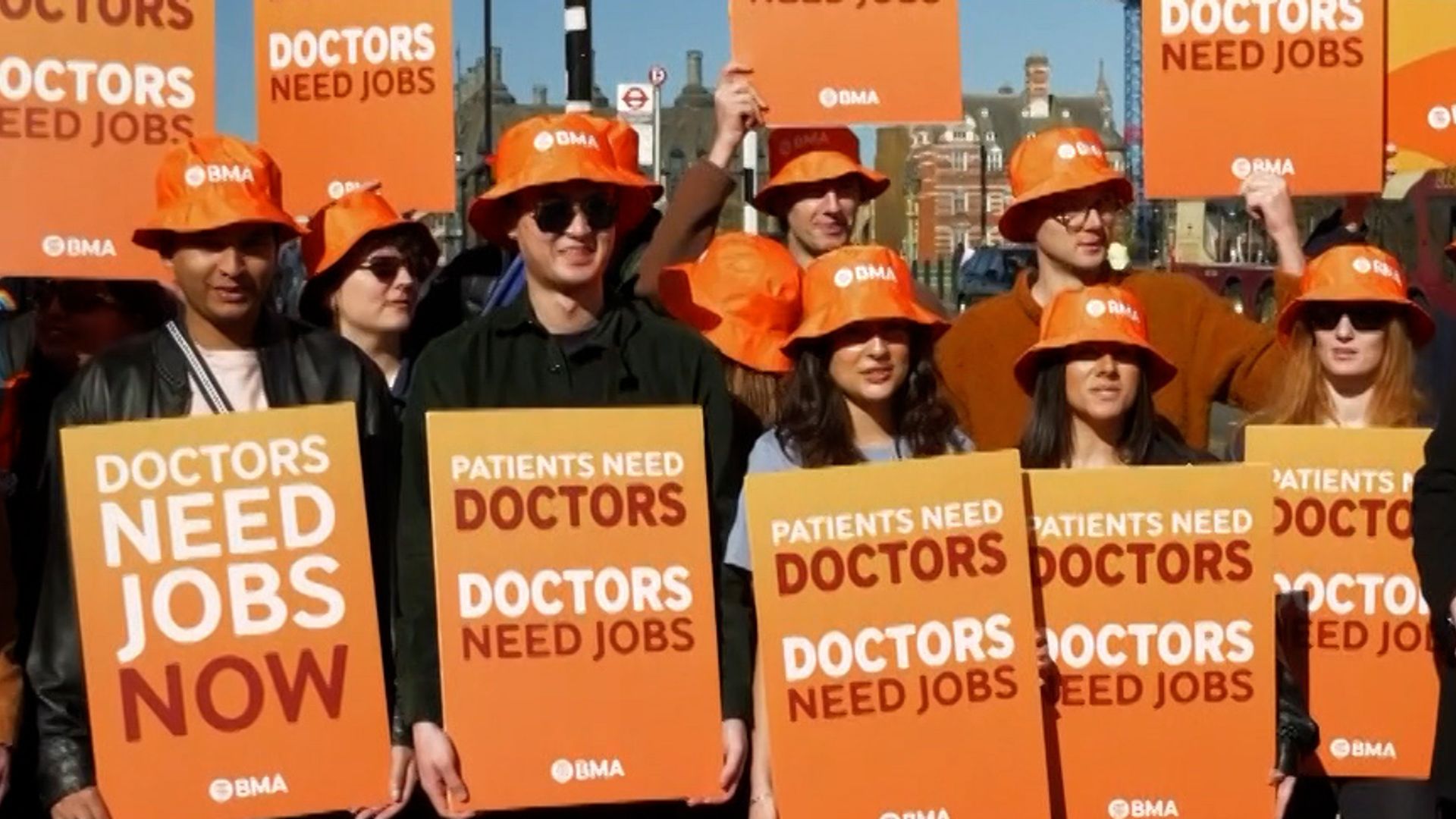
Resident doctors in the UK are preparing to stage a significant four-day strike this June, a move officially confirmed by the British Medical Association (BMA). This industrial action marks a critical escalation in ongoing disputes over pay, working conditions, and the sustainability of NHS services.
What Led to the Four-Day Strike Announcement?
The announcement of a strike lasting from June 13 to June 16 comes after prolonged negotiations between junior doctors and the government reached an impasse. Resident doctors, who form the backbone of hospital medical teams and often handle front-line care, have expressed deep frustration over stagnant wages that have failed to keep pace with inflation and the rising cost of living.
For years, NHS staff have faced increasing workloads and pressure, exacerbated recently by the COVID-19 pandemic’s lasting impact on the healthcare system. Many junior doctors argue that their current pay does not fairly reflect their responsibilities, hours worked, or the critical role they play in patient care throughout the NHS.
The BMA, the professional association and trade union representing doctors in the UK, has been vocal about these concerns, emphasizing that without meaningful improvements, the quality of healthcare delivery is at risk.
Implications for Patients and the NHS
The upcoming strike threatens to disrupt hospital services nationwide, potentially delaying non-emergency surgeries and outpatient appointments. While emergency care will continue, patients requiring routine or elective treatment may face cancellations or postponements.
This strike adds to a growing list of industrial actions taken by NHS staff, including nurses and ambulance workers, reflecting widespread dissatisfaction within the health sector. The ongoing staffing shortages and morale issues compound the challenges faced by the NHS, which is already struggling to meet patient demand.
Healthcare analysts warn that prolonged strikes could exacerbate waiting times for treatment and increase pressure on already overstretched emergency departments. The government’s response to these industrial actions will be closely watched, with calls for urgent dialogue and sustainable funding solutions intensifying.
What This Means for the Future of NHS Workforce Relations
The planned four-day strike by resident doctors underscores a critical juncture for NHS workforce relations. It signals a breakdown in trust between junior doctors and policymakers, highlighting the urgent need for comprehensive strategies that address pay fairness, working conditions, and career development prospects.
Resolving these disputes will require cooperative engagement from both the government and healthcare representatives. Failure to do so risks further industrial action and potential long-term damage to the NHS’s ability to attract and retain medical talent.
For patients and the public, the strike serves as a stark reminder of the pressures facing the NHS and its staff. It emphasizes the vital importance of sustainable investment in the healthcare system to ensure safe, effective, and accessible services for everyone.
As the strike dates approach, all eyes will be on negotiations and whether a breakthrough can be achieved to prevent disruption and restore confidence among NHS workers.
In summary, the June strike by resident doctors is not just a protest over pay—it is a critical moment that reflects broader challenges within the NHS. The outcome of this dispute will shape the future landscape of healthcare in the UK for years to come.