

Residents of a former mining village in Clackmannanshire are confronting a distressing reality as they face at least eight more weeks away from their homes following severe ground movement. The incident has disrupted lives, sparking concerns about safety, property stability, and the long-term future of the community.
What Happened: Ground Movement in a Former Mining Village
The affected area, once a bustling mining village, has a complex history shaped by extensive underground coal mining operations. Such mining activities often leave behind unstable ground conditions, prone to shifts or subsidence long after mines close. In this case, recent geological disturbances have caused significant ground movement beneath residential properties, making them unsafe for occupancy.
Local authorities quickly responded by evacuating residents to ensure their safety, but the damage means immediate return is impossible. Homes in the area now sit on uncertain foundations, and engineers must thoroughly assess the site before any plans for reoccupation or repair can proceed.
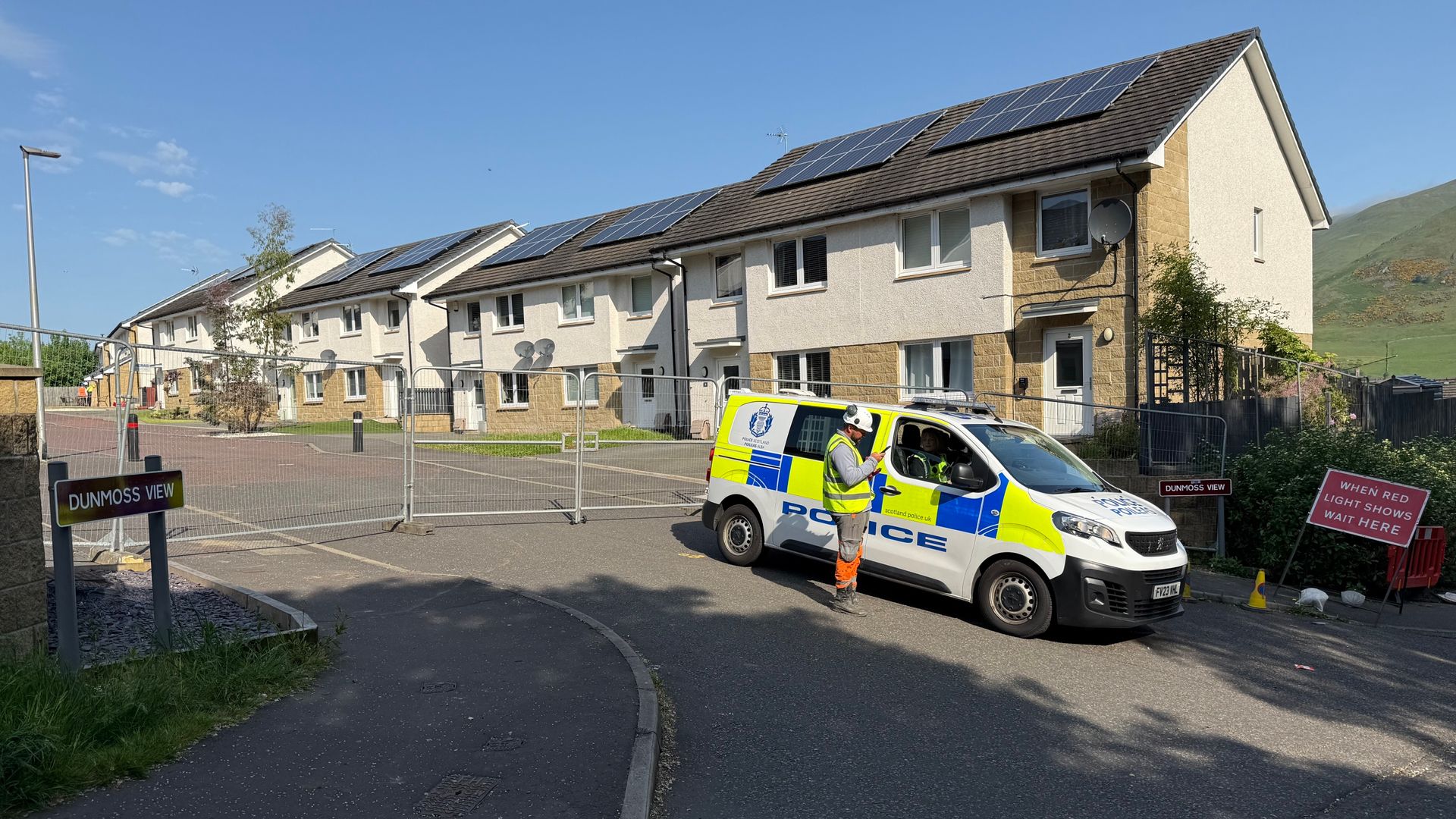
Why It Matters: The Human and Community Impact
For the residents, this situation is nothing short of a “total nightmare.” Being uprooted disrupts daily routines, employment, schooling, and social connections. Families face the emotional toll of displacement, dealing with uncertainty about when—and if—they can return to their homes.
The broader community also feels the strain. Local services and support networks are challenged by the influx of displaced individuals needing temporary housing and assistance. Additionally, the incident underscores the lingering risks associated with former mining regions, highlighting the need for ongoing monitoring and investment to protect residents.
Historical Context of Mining and Ground Stability
Clackmannanshire’s mining heritage, while economically vital in the past, left a legacy of subsurface tunnels and unstable earth. Ground movement incidents like this one expose the continuing vulnerability of communities built atop former mines. Authorities and experts must balance heritage preservation with modern safety standards to prevent future occurrences.
What Comes Next: Safety Assessments and Community Support
Engineers and geotechnical specialists are now conducting detailed investigations to determine the extent of the ground movement and formulate a remediation plan. This process involves soil testing, monitoring for further shifts, and designing stabilization measures to secure the affected properties.
Meanwhile, local councils and emergency services coordinate to provide displaced residents with temporary accommodation and essential services. Communication remains critical, with officials committed to keeping residents informed about progress and timelines.
Recovery and rebuilding efforts will require careful planning and significant resources. Depending on the severity of the damage, some homes may need extensive repairs or even demolition and reconstruction.
Looking Ahead: Lessons and Preparedness for Former Mining Communities
This event serves as a stark reminder of the hidden dangers in areas with mining histories. It emphasizes the importance of continuous geological monitoring and proactive infrastructure maintenance to safeguard residents.
For the people of Clackmannanshire’s former mining village, the coming weeks will be challenging as they await clarity on when they can safely return. Their experience highlights the need for robust emergency response systems and community resilience planning in regions vulnerable to ground instability.
While full details of the remediation timeline have not yet been released, stakeholders remain focused on restoring safety and normalcy as swiftly as possible.
Key takeaway: Ground movement in former mining areas poses significant risks that extend beyond immediate physical damage. Ensuring community safety requires comprehensive assessment, transparent communication, and sustained support for displaced residents during recovery phases.