Australia faces a fraught reckoning as families linked to the Islamic State (IS) return from Syrian detention camps, reopening wounds and sparking intense public debate on national security, humanitarian obligations, and the future of radicalised individuals. These returns challenge policymakers to balance safety with justice and compassion amid a climate still haunted by terror attacks.
Who Are These Returning Women and Children?
Following the collapse of the so-called IS “caliphate” in Syria and Iraq, thousands of family members—mostly women and children—of captured IS fighters were detained in overcrowded camps. Two notorious camps, Al-Hol and Al-Roj, housed these families under dire conditions that have long alarmed international observers.
The largest camp, Al-Hol, was shut down in February 2024 after Syrian government forces retook control of the area, but the future of Al-Roj remains precarious. Situated in Syria’s north-eastern Kurdish region, Al-Roj still shelters approximately 2,000 detainees from scores of countries unwilling to repatriate their nationals. Among these is Shamima Begum, a notorious British woman stripped of citizenship after leaving London as a teenager to join IS.
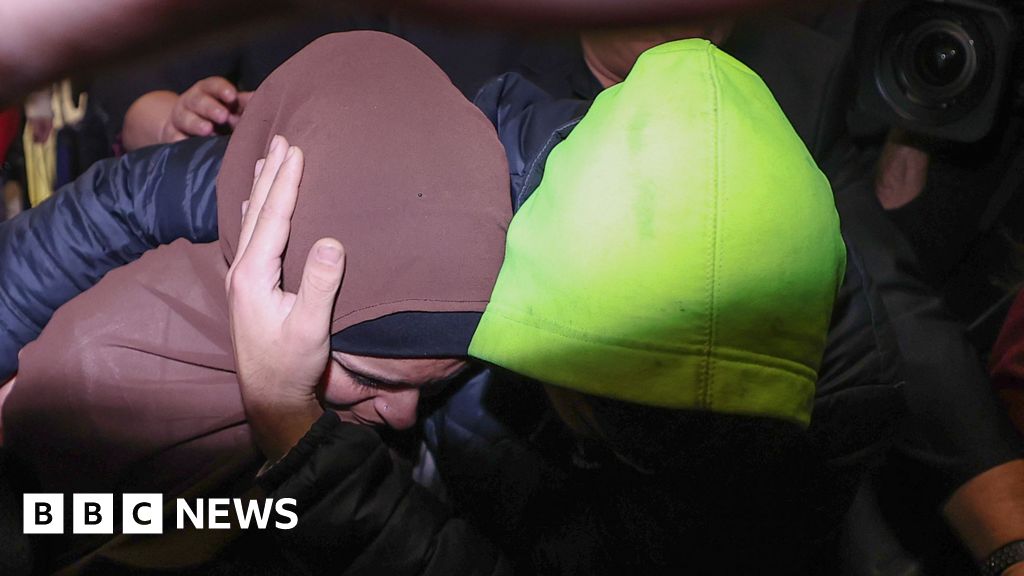
Within this complex humanitarian and security crisis, Australia has faced mounting pressure to repatriate its nationals. Until recently, many Australian women and children remained stranded in these camps under precarious circumstances. This changed last month when Janai Safar, 32, and her nine-year-old son landed in Sydney, thrusting the issue into the national spotlight once again.

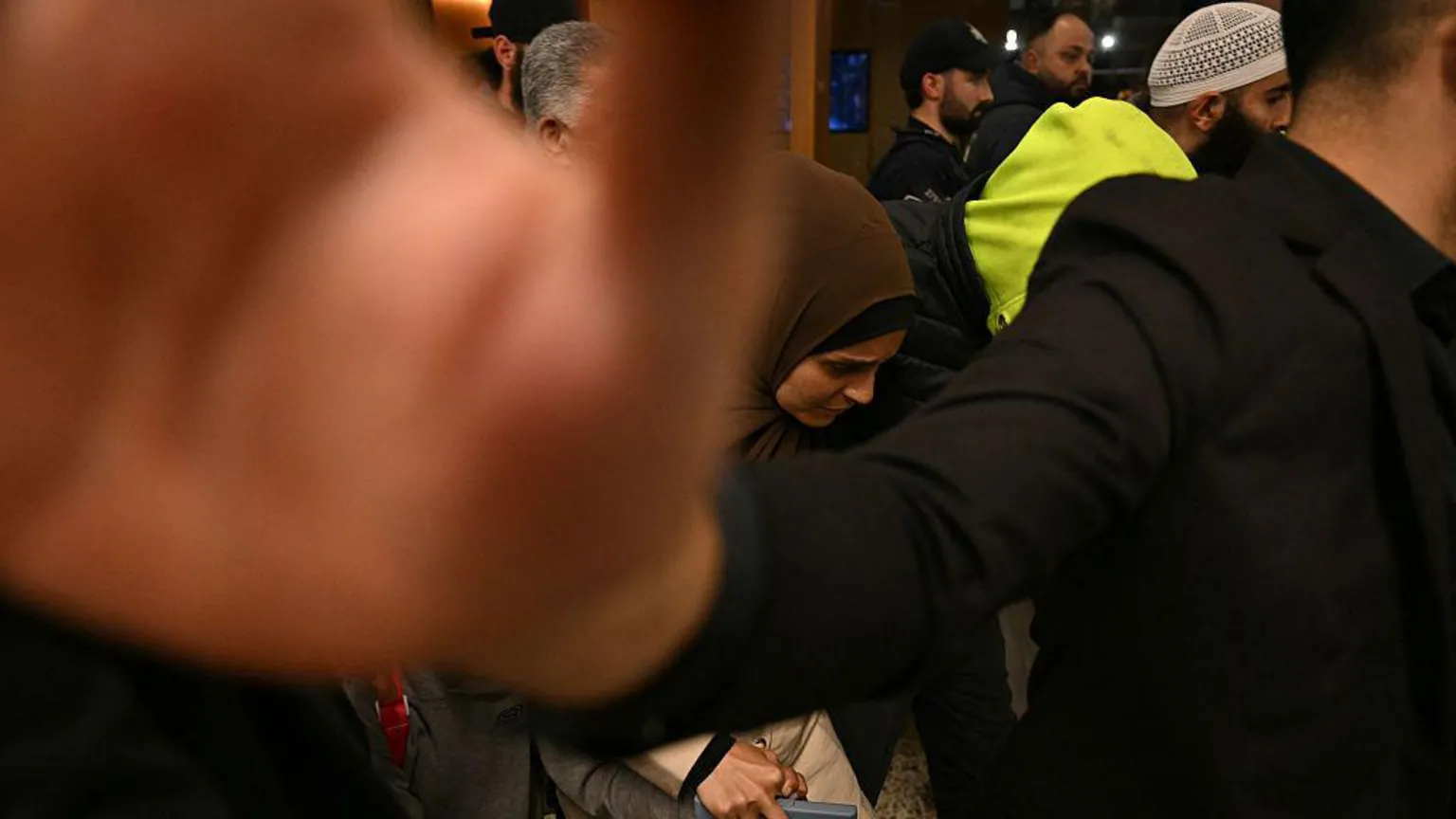
Janai Safar, a former nursing student, publicly acknowledged in 2019 that she did not regret traveling to Syria to join IS, though she denied any direct involvement in violence or combat. Upon arrival in Australia, she was promptly charged with terrorism offences, underscoring the legal and security challenges the government must now navigate.
The National Security and Humanitarian Dilemma
The return of these families has polarized public opinion and political discourse. On one side, experts and advocates argue that bringing nationals back to Australia under strict surveillance and legal frameworks ensures better security outcomes. As Sydney doctor Jamal Rifi expressed earlier this year, “The quicker they come to Australia, the safer it is for all of Australia and for themselves.” His view highlights the risks posed by leaving vulnerable individuals in unstable camps, where radicalisation and violence persist unchecked.

Conversely, many Australians remain wary or outright opposed to repatriation, fearing potential threats to public safety. There is deep mistrust fueled by memories of past terror incidents and concerns over the capacity of law enforcement to monitor returnees effectively. The government faces the unenviable task of balancing these fears with international legal obligations and humanitarian responsibilities.
Adding to the complexity, returning families often include children who have endured unimaginable trauma. The Australian government must devise strategies not only for counterterrorism but also for rehabilitation, mental health support, and social reintegration. These efforts are critical to preventing cycles of radicalisation and ensuring long-term community safety.


What Lies Ahead for Australia and Its Returnees?
The arrival of IS-linked families like Janai Safar and her son marks a pivotal moment in Australia’s ongoing struggle with terrorism’s aftermath. Authorities are now tasked with prosecuting individuals where appropriate while simultaneously addressing the humanitarian needs of children and vulnerable adults. This dual approach requires coordination across intelligence, law enforcement, social services, and community organisations.
This situation also places a spotlight on international cooperation. Many countries continue to refuse repatriation of their nationals, leaving camps like Al-Roj in limbo and exacerbating humanitarian crises. Australia’s willingness to accept returnees may encourage other nations to reconsider their positions, potentially easing regional tensions and improving security.

Public discourse must evolve beyond fear and stigma to focus on evidence-based policies that protect citizens and uphold human rights. The debate over repatriation is emblematic of broader global challenges posed by foreign fighters and their families—a test of resilience, justice, and national unity.

Why This Matters
Australia’s experience with IS-linked returnees underscores the enduring impact of global terrorism on domestic security and social cohesion. The decisions made today will shape the country’s ability to prevent future extremist threats and heal communities affected by radical ideologies.
Moreover, the situation highlights the importance of comprehensive counterterrorism strategies that integrate law enforcement with mental health support, education, and community engagement. Addressing the root causes of radicalisation and fostering inclusive societies are essential to breaking cycles of violence.
As Australia navigates this sensitive chapter, it must strive for solutions that safeguard its citizens while adhering to principles of justice and humanity. The return of IS-linked families is not merely a security issue—it is a profound test of the nation’s values and resolve.
Full details about ongoing government policies and legal proceedings related to these returnees continue to develop as the situation evolves.