

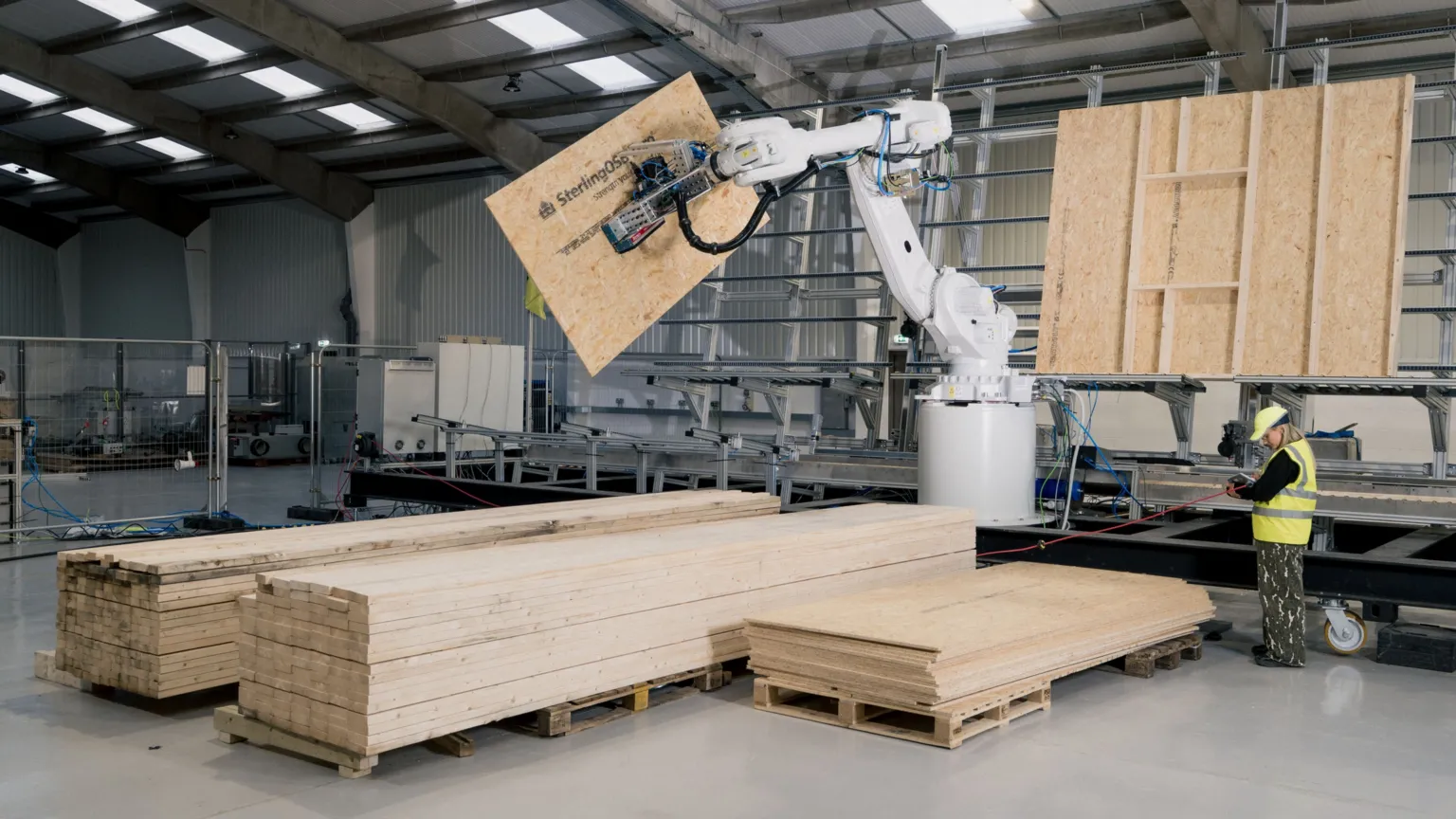
Woodworking, a craft rooted in tradition and hands-on skill, is undergoing a remarkable transformation thanks to advances in technology. From generative AI aiding research to digital tools enhancing precision, modern woodworkers are blending age-old techniques with cutting-edge innovation to push the boundaries of what’s possible in the workshop.
Integrating AI into Woodworking Research and Design
Woodworkers are increasingly turning to generative artificial intelligence as a powerful research assistant. For example, when Tim Saunders, a woodworking educator and craftsman, recently renovated a house, he relied on an AI chatbot to quickly access building regulations and codes relevant to his project. This allowed him to save time and focus on the practical aspects of construction without getting bogged down in paperwork.

However, Saunders cautions against depending too heavily on AI without hands-on verification. “It’s critical to understand how materials and tools actually behave in real life,” he explains. Checking AI-generated information against direct experience remains essential to ensure safety and quality in woodworking.

Similarly, Mark Vasilkov, a London-based propmaker who frequently works with wood on film sets, has found AI image generators like Stable Diffusion invaluable. In the fast-paced world of film production, where designs must evolve rapidly, Stable Diffusion helps Vasilkov produce multiple visual concepts for the art department. This digital flexibility streamlines the creative process before actual construction begins, saving time and reducing costly revisions on set.


The Balance Between Digital Precision and Traditional Craftsmanship
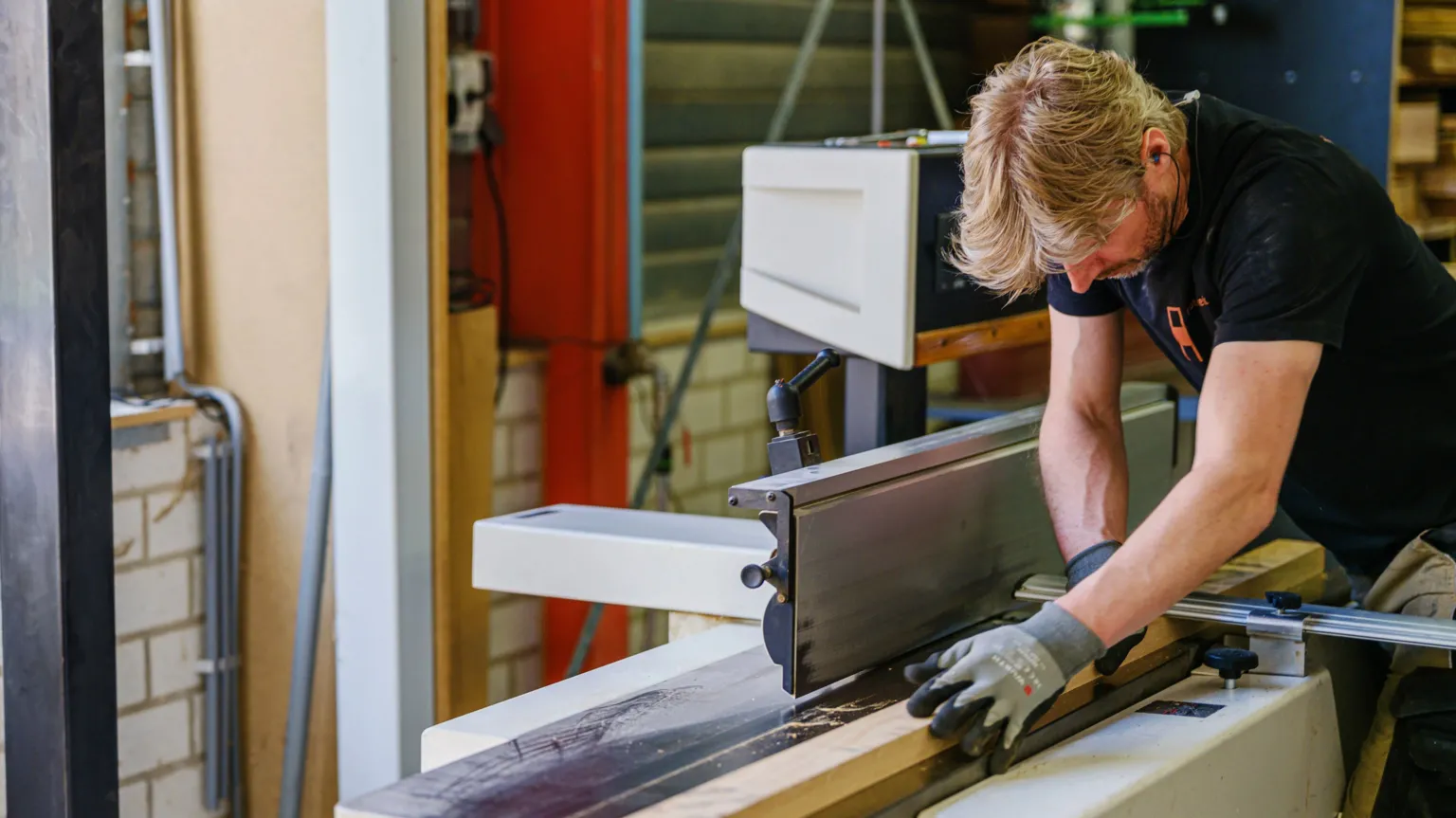
Despite the surge in digital tools, many woodworkers still value analogue methods that preserve the tactile connection to their craft. Saunders, for instance, expresses a preference for manual operation over digital readouts on machinery. “Sometimes when you shift entirely to digital, you lose a bit of that human interaction with the material,” he reflects. This hands-on engagement remains a vital part of the woodworking experience for many artisans.

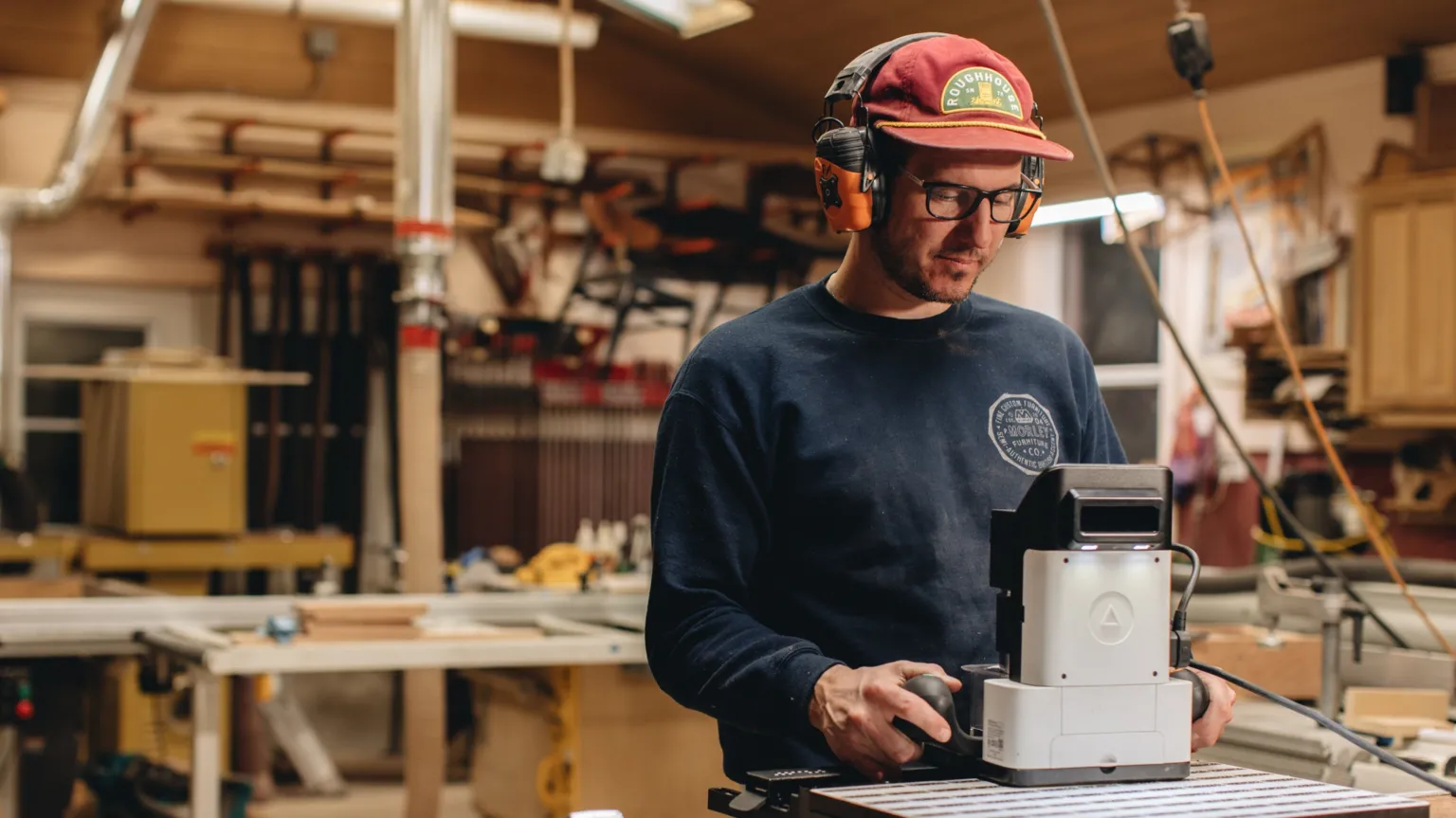
Yet, the advent of digitally controlled tools, such as Shaper routers, offers unprecedented precision. These devices combine human skill with digital guidance to enhance accuracy on complex cuts and intricate designs. This hybrid approach allows woodworkers to maintain craftsmanship integrity while benefiting from technology’s precision.

Why Technology Matters to the Future of Woodworking
Woodworking’s embrace of technology is more than a trend—it reflects a broader evolution within craft industries adapting to the demands of modern production, creativity, and efficiency. For professionals like Vasilkov, AI accelerates design iteration in high-pressure environments. For educators like Saunders, technology offers new tools without replacing foundational skills.
This integration signals that woodworking is far from obsolete or dusty—it’s a dynamic field where tradition and innovation coexist. As digital tools become more accessible and intuitive, they empower woodworkers to explore new design possibilities, improve workflow, and meet the exacting standards of contemporary clients.
Ultimately, the key lies in balancing technology with craftsmanship. Woodworkers who master both can unlock greater creativity and productivity without sacrificing the human touch that defines the art of woodworking.
Looking Ahead: As AI and digital tools continue to evolve, woodworking will likely see even more sophisticated applications—from AI-driven material analysis to robotic assistance on large-scale projects. This technological momentum promises to keep woodworking relevant and vibrant for generations to come.