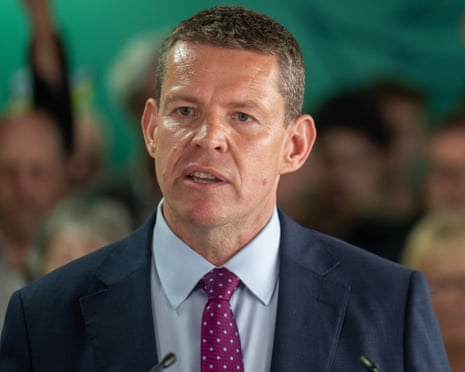
Rhun ap Iorwerth has shattered a century of Labour dominance by becoming the newly elected First Minister of Wales, following Plaid Cymru’s historic victory in the latest Senedd elections. This landmark shift marks a new chapter in Welsh politics, with Plaid Cymru forming a minority government and signalling a fresh direction for the nation.
Historic Senedd Vote and Political Breakthrough
On Tuesday, Rhun ap Iorwerth secured the First Minister role after a decisive plenary vote in the Senedd, Wales’s devolved parliament. He garnered support from all 43 Plaid Cymru members and the two Green Party MSs, while Welsh Labour and the sole Liberal Democrat member abstained from voting. The election also saw opposition candidates from Reform UK and the Conservatives, Dan Thomas and Darren Millar respectively, put forward their names but fail to secure enough backing.

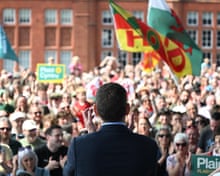
Ap Iorwerth, a prominent advocate for Welsh independence, received a standing ovation as the vote was announced, reflecting a surge of enthusiasm within his party and among the public gallery. In his acceptance speech, he expressed deep personal pride: “It is the greatest privilege of my life to be elected first minister in a nation that means so much to me.” He spoke of a renewed Welsh spirit, heralding “a new confidence, a new hope, a new broader horizon” free from external detractors and narrow priorities.

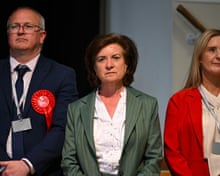
He pledged inclusive leadership: “I will lead without prejudice or presumption. I’ll never take this privilege for granted.” Ap Iorwerth also commended his predecessor, Labour’s Eluned Morgan, for her resilient and dedicated leadership, despite her party’s historic defeat.

Political Landscape Transformed: Labour’s Decline and New Opposition
Last week’s Senedd elections dramatically altered Wales’s political makeup. Plaid Cymru emerged as the largest party in the expanded 96-seat parliament, winning 43 seats—enough to form a minority government under the new electoral system that requires 49 for an outright majority.

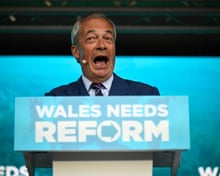
Reform UK, which had aimed to become the dominant force, secured 34 seats, while Labour, historically Wales’s dominant party, plummeted to just nine seats. This marks an unequivocal end to Labour’s century-long grip on Welsh politics, a historic turning point in the nation’s governance.

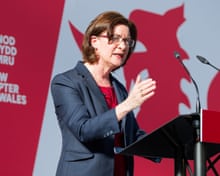
Other parties also made modest gains: the Conservatives won seven seats, the Greens entered the Senedd with two MSs for the first time, and the Liberal Democrats retained a single seat. Notably, Eluned Morgan, Labour’s former leader, lost her seat, prompting Welsh Labour to appoint Ken Skates as interim leader during a pending leadership contest.

Dan Thomas, Reform UK’s leader and new opposition head, vowed a firm stance against Plaid Cymru’s agenda, emphasizing his party’s pro-Union position: “The future of a prosperous Wales lies within a successful United Kingdom and Reform will ensure that that union prevails.” He underscored that the election results reflect the Welsh electorate’s desire for unity within the UK.
Future Governance: Cooperation and Constitutional Ambitions
Despite leading a minority government, Ap Iorwerth signaled a pragmatic approach to governing. He committed to seeking “mature cooperation” with opposition parties on a case-by-case basis, aiming to build consensus on policy issues rather than engage in partisan conflict.

Ap Iorwerth also intends to press the UK government for enhanced devolved powers, particularly in areas such as policing and justice, reflecting Plaid Cymru’s broader ambition to expand Welsh autonomy. However, the party has explicitly ruled out holding an independence referendum during the current Senedd term, preferring instead to use this mandate to build public support for Welsh independence over time.

Before Ap Iorwerth’s election, the Senedd appointed Labour’s deputy leader Huw Irranca-Davies as the new Llywydd (speaker), a role reserved for opposition members. Kerry Ferguson of Plaid Cymru was elected deputy presiding officer. This followed Elin Jones’s departure after a decade as Llywydd, ensuring experienced leadership within the chamber’s procedural roles.
About Rhun ap Iorwerth: From Journalism to First Minister
Rhun ap Iorwerth, 53, hails from Ynys Môn (Anglesey) and brings a rich background in journalism to his political career. Before entering politics in 2013, he worked as a BBC journalist covering Welsh and Westminster affairs, giving him valuable insight into both local and national governance.
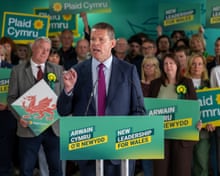
After a decade of parliamentary experience and leadership within Plaid Cymru, he ascended to party leader in 2023. His election as First Minister cements his status as a central figure in Welsh political life and a key driver of Wales’s evolving identity and governance.
Ap Iorwerth will be formally sworn in by a high court judge on Tuesday afternoon and plans to begin appointing cabinet secretaries the following day, setting the stage for his administration’s agenda in the coming term.
What This Means for Wales
This seismic political shift marks the most significant change in Welsh governance in a century. Plaid Cymru’s rise signals growing appetite among Welsh voters for a government that prioritizes national identity, greater autonomy, and a departure from Labour’s long-standing dominance.
While Plaid Cymru leads a minority administration, the party’s willingness to collaborate across the aisle could foster a more consensual, pragmatic approach to Welsh governance. The focus on expanding devolved powers without immediate recourse to an independence referendum highlights a strategic, measured path toward greater Welsh self-determination.

Wales now stands at a crossroads, balancing historic change with the practical challenges of minority government and complex UK-wide political dynamics. Rhun ap Iorwerth’s leadership will be pivotal in shaping Wales’s future political landscape and its relationship with the rest of the United Kingdom.